artistic preference of contemporary everyday subject matter
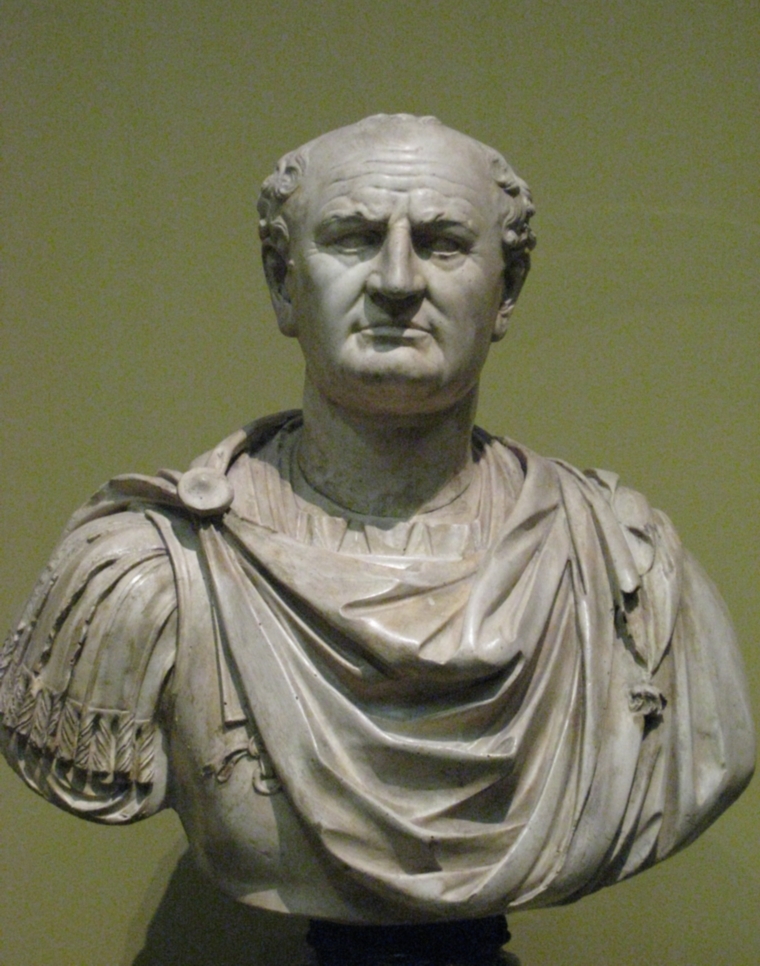
Verism was a highly realistic artistic style of Roman art. It was principally used in portraits of politicians, whose facial imperfections were rendered in detail or, according to some scholars, even exaggerated to highlight their maturity, experience, and gravitas. The word comes from Latin verus (true).
Roman funerary mask of a child. Verism was a highly realistic artistic style of Roman art. It was principally used in portraits of politicians, whose facial imperfections were rendered in detail or, according to some scholars, even exaggerated to highlight their maturity, experience, and gravitas.
Verism emerged as an artistic style in the late Roman Republic (147 to 30 BC) and was often used for Republican portraits or on heads of “pseudo-athlete” sculptures. Roman art →
Verism first appeared during the Late Republic. The subjects of veristic portraiture were almost exclusively men, and these men were usually of advanced age, for generally it was elders who held power in the Republic. Verism throughout the Roman Empire →
Veristic portraits of the late Republic hold a special fascination for classical art historians. Romans had inherited the use of sculpted marble heads from the Greeks but they did not inherit the veristic style from them. Verism in academia →
Obverse portrait of Galba, AD 68-69, Roman Mint. Verism was a highly realistic artistic style of Roman art. It was principally used in portraits of politicians, whose facial imperfections were rendered in detail or, according to some scholars, even exaggerated to highlight their maturity, experience, and gravitas.
Verism emerged as an artistic style in the late Roman Republic (147 to 30 BC) and was often used for Republican portraits or on heads of “pseudo-athlete” sculptures. Roman art →
Verism first appeared during the Late Republic. The subjects of veristic portraiture were almost exclusively men, and these men were usually of advanced age, for generally it was elders who held power in the Republic. Verism throughout the Roman Empire →
Veristic portraits of the late Republic hold a special fascination for classical art historians. Romans had inherited the use of sculpted marble heads from the Greeks but they did not inherit the veristic style from them. Verism in academia →
General de Tivoli, pseudo-athlete with veristic head, ca. 90-70 BC, Tivoli. Verism was a highly realistic artistic style of Roman art. It was principally used in portraits of politicians, whose facial imperfections were rendered in detail or, according to some scholars, even exaggerated to highlight their maturity, experience, and gravitas.
Verism emerged as an artistic style in the late Roman Republic (147 to 30 BC) and was often used for Republican portraits or on heads of “pseudo-athlete” sculptures. Roman art →
Verism first appeared during the Late Republic. The subjects of veristic portraiture were almost exclusively men, and these men were usually of advanced age, for generally it was elders who held power in the Republic. Verism throughout the Roman Empire →
Veristic portraits of the late Republic hold a special fascination for classical art historians. Romans had inherited the use of sculpted marble heads from the Greeks but they did not inherit the veristic style from them. Verism in academia →
Portrait bust of a man, Ancient Rome, 60 BC. Verism was a highly realistic artistic style of Roman art. It was principally used in portraits of politicians, whose facial imperfections were rendered in detail or, according to some scholars, even exaggerated to highlight their maturity, experience, and gravitas.
Verism emerged as an artistic style in the late Roman Republic (147 to 30 BC) and was often used for Republican portraits or on heads of “pseudo-athlete” sculptures. Roman art →
Verism first appeared during the Late Republic. The subjects of veristic portraiture were almost exclusively men, and these men were usually of advanced age, for generally it was elders who held power in the Republic. Verism throughout the Roman Empire →
Veristic portraits of the late Republic hold a special fascination for classical art historians. Romans had inherited the use of sculpted marble heads from the Greeks but they did not inherit the veristic style from them. Verism in academia →
Etruscan cinerary urn, c. 150-100 BC. Verism was a highly realistic artistic style of Roman art. It was principally used in portraits of politicians, whose facial imperfections were rendered in detail or, according to some scholars, even exaggerated to highlight their maturity, experience, and gravitas.
Verism emerged as an artistic style in the late Roman Republic (147 to 30 BC) and was often used for Republican portraits or on heads of “pseudo-athlete” sculptures. Roman art →
Verism first appeared during the Late Republic. The subjects of veristic portraiture were almost exclusively men, and these men were usually of advanced age, for generally it was elders who held power in the Republic. Verism throughout the Roman Empire →
Veristic portraits of the late Republic hold a special fascination for classical art historians. Romans had inherited the use of sculpted marble heads from the Greeks but they did not inherit the veristic style from them. Verism in academia →
Bust of Vespasian, ca. 75-79. Verism was a highly realistic artistic style of Roman art. It was principally used in portraits of politicians, whose facial imperfections were rendered in detail or, according to some scholars, even exaggerated to highlight their maturity, experience, and gravitas.
Verism emerged as an artistic style in the late Roman Republic (147 to 30 BC) and was often used for Republican portraits or on heads of “pseudo-athlete” sculptures. Roman art →
Verism first appeared during the Late Republic. The subjects of veristic portraiture were almost exclusively men, and these men were usually of advanced age, for generally it was elders who held power in the Republic. Verism throughout the Roman Empire →
Veristic portraits of the late Republic hold a special fascination for classical art historians. Romans had inherited the use of sculpted marble heads from the Greeks but they did not inherit the veristic style from them. Verism in academia →
Text: Wikipedia (CC BY-SA 4.0) ·
Images: Wikimedia Commons,
public domain or Creative Commons (attribution with each work) ·
Part of The Museum at THEODORA