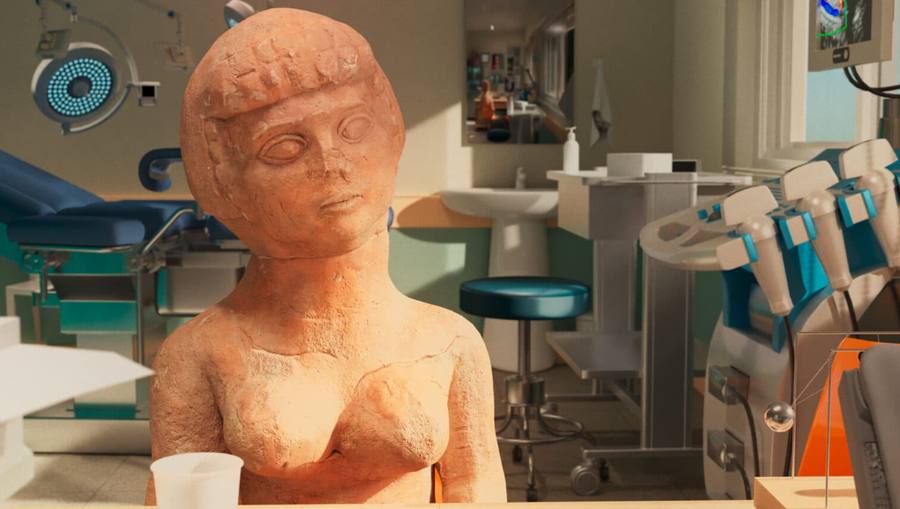
In a Free State, curated by Doron Langberg and Salman Toor, at Luhring AugustineIn a Free State, באוצרות דורון לנגברג וסלמאן טור, בגלריה Luhring Augustine
יש תערוכות שבהן דווקא לא האמנות עצמה היא שמטלטלת אותי, אלא מה שמסתתר מאחוריה.
רציתי לכתוב לכם בהתלהבות על התערוכה In a Free State בגלריית Luhring Augustine בטרייבקה.
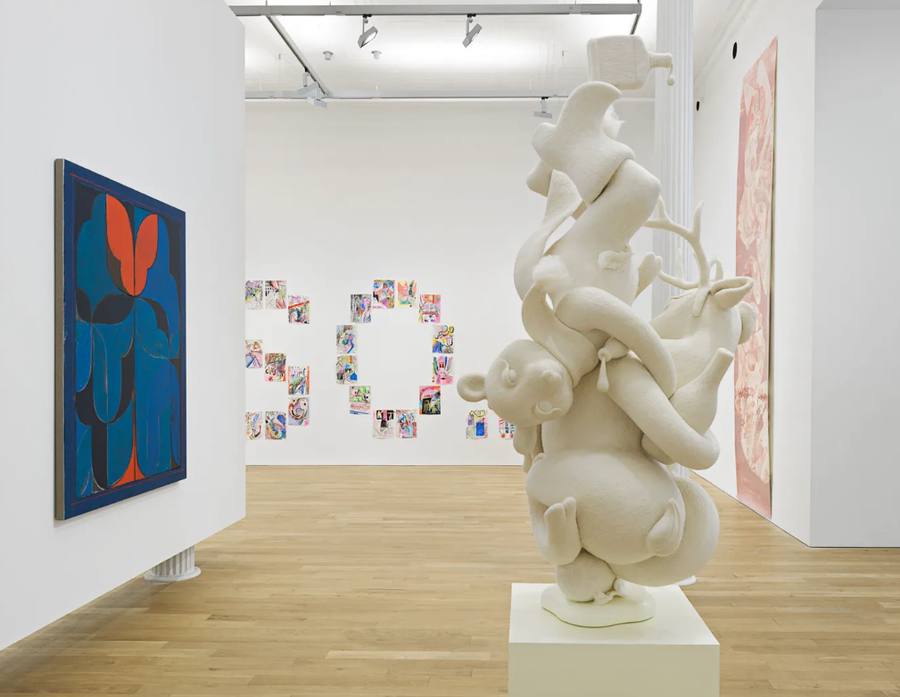
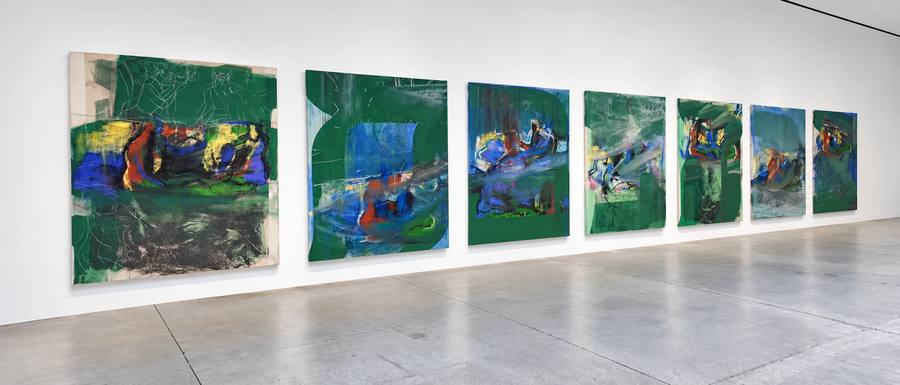
מבחינה אמנותית זו תערוכה מעניינת: 34 עבודות של 22 אמנים בציור, פיסול, צילום ווידאו, שנבחרו בידי שניים מהציירים הפיגורטיביים הבולטים כיום בניו יורק, דורון לנגברג הישראלי וסלמאן טור הפקיסטני. התערוכה מבקשת לעסוק בקריסת האמון בעולם העכשווי ובחיים בצל מלחמה, עקירה ומשבר פוליטי.
Installation view, In a Free State, Luhring Augustine, Tribeca
כך מתארים אותה האוצרים עצמם:
"לתערוכה זו בחרנו אמנים מתוך מעגל החברים הקרוב שלנו, יצרנו קשר עם אמנים שאנו מעריכים זה שנים, ופנינו גם לקולות צעירים שמעוררים בנו התרגשות. חיפשנו עבודות שמצליחות, בדרך כלשהי, להעניק לנו תובנה על הרגע הטעון שבו אנו חיים, תקופה שבה מערכות האמון, החל מהיחסים הבין־אישיים ועד למערכות הפוליטיות, נדמה שהתמוטטו".
מתוך העבודות בתערוכה, שתיים ריתקו אותי במיוחד:
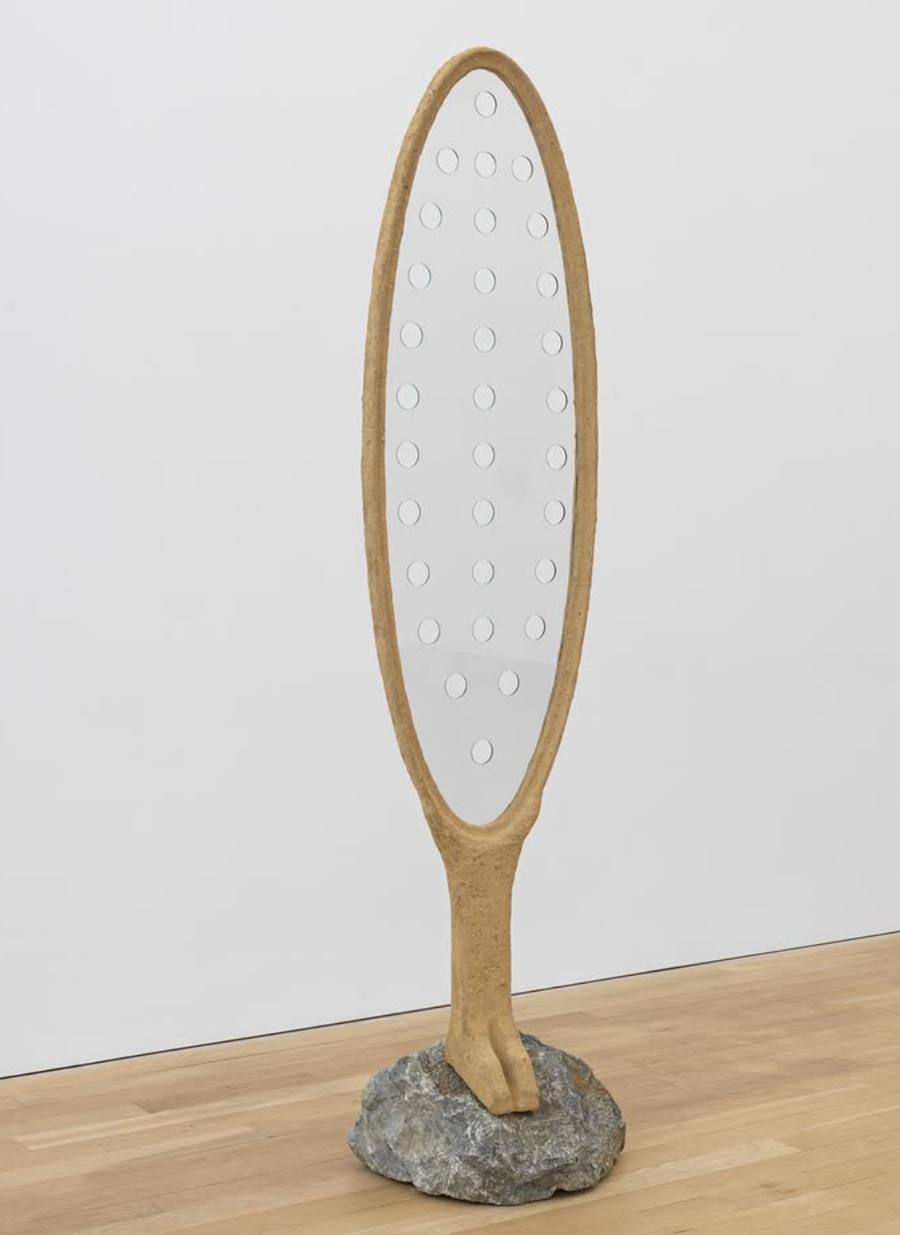
אורן פינחסי הוא פסל ישראלי שחי ופועל בניו יורק. העבודות שלו עוסקות לעיתים קרובות בגוף האנושי, בפגיעוּת, במגדר, בארכיטקטורה ובטקסים. הוא משלב חומרים "קשים" כמו פלדה ואבן עם חומרים "רכים" או מתכלים יותר, ויוצר אובייקטים שנראים בו־זמנית כגופים, כשרידים ארכאולוגיים או כטוטמים. כבר בשם Perforated Self ("העצמי המחורר") אפשר לראות את העיסוק שלו בגוף שאינו שלם, אלא חדיר ופגיע, ומשתלב היטב באחד הצירים המרכזיים של התערוכה: המתח שבין שריון לפציעוּת.
Oren Pinhassi, Perforated Self, 2026
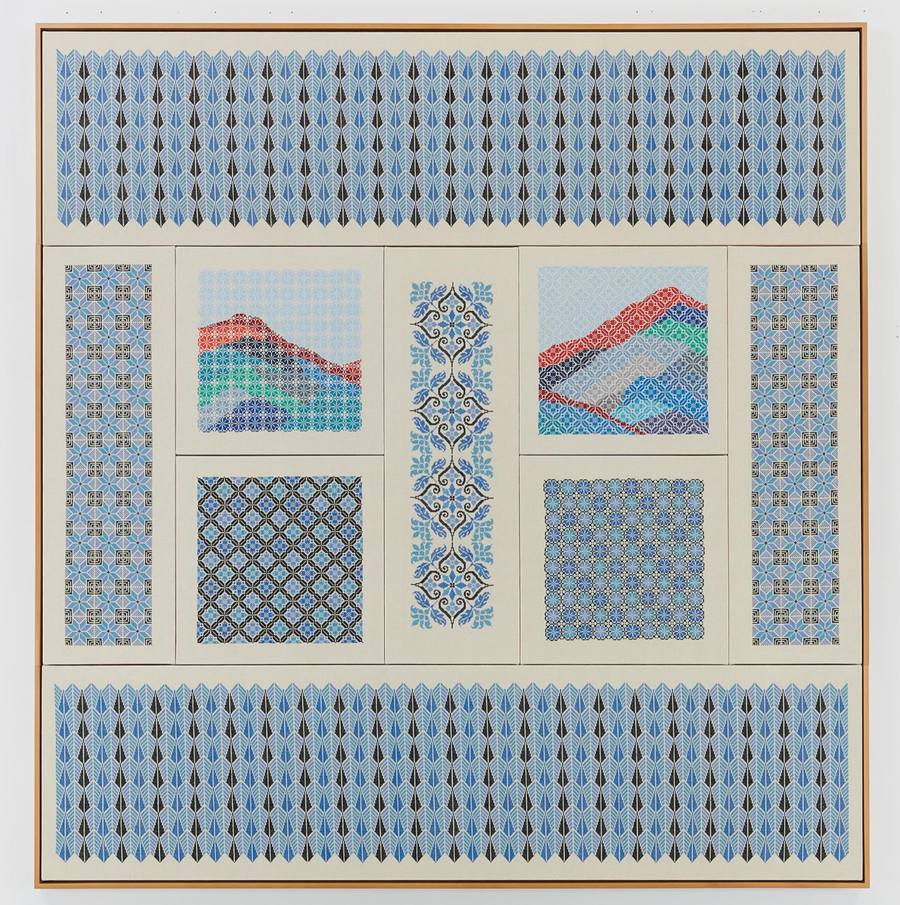
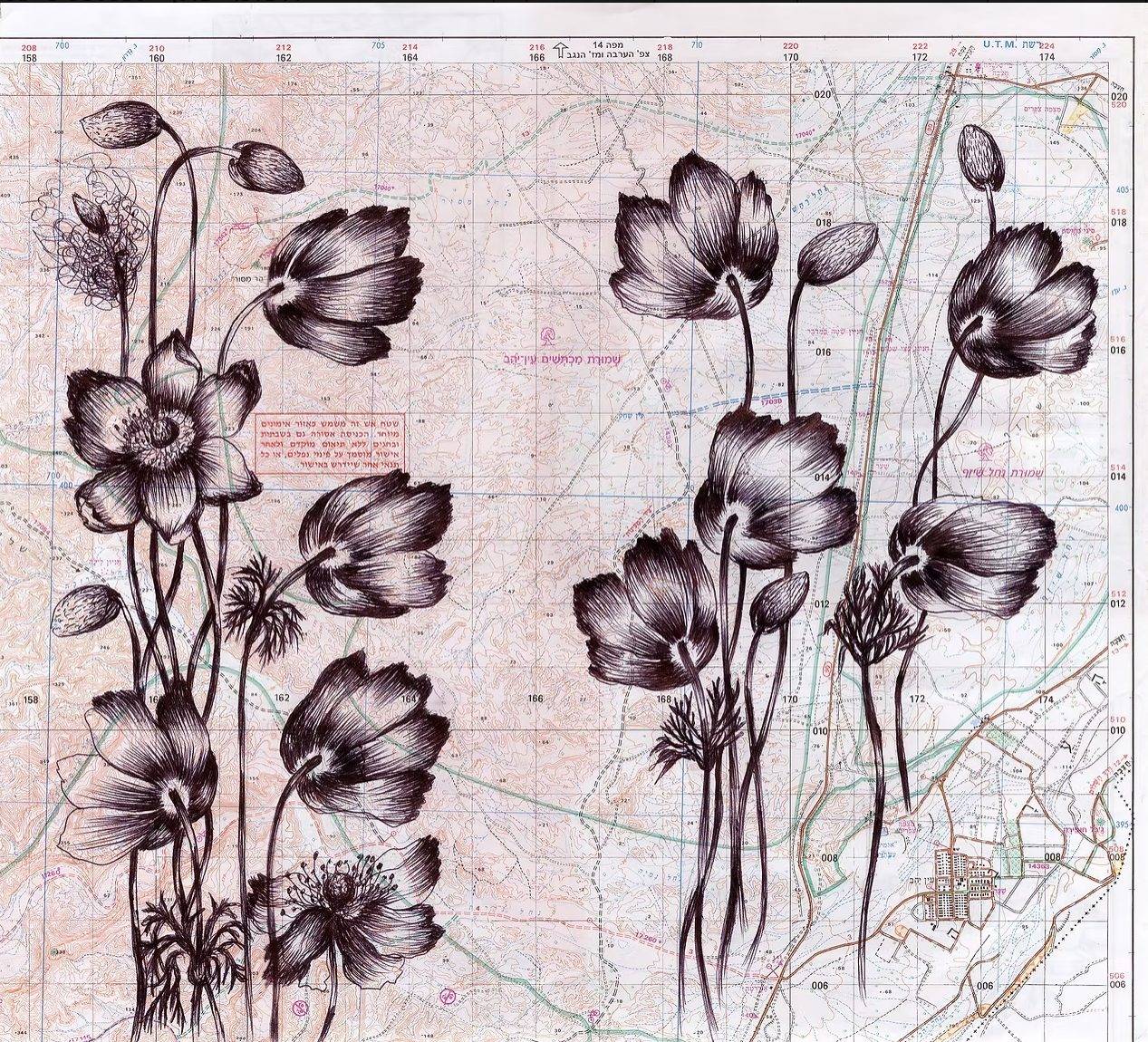
ג'ורדן נאסר הוא אמן אמריקאי ממוצא ירדני, שהעבודה שלו יושבת בדיוק על התפר שבין אמנות, מלאכת יד, זהות ופוליטיקה. הוא משתמש ברקמה המסורתית (Tatreez) - רקמת הכפרים הערבית מאזור ארץ ישראל כחומר הגלם המרכזי שלו. הרקמה אינה רק אסתטית, אלא שפה של זהות, מורשת ושייכות. באמצעותה הוא יוצר נופים דמיוניים, מקומות שקיימים בזיכרון, ובכמיהה יותר מאשר במציאות. דרך הרקמה הוא עוסק בבית, בגלות ובהעברה בין־דורית של תרבות.
Jordan Nassar, hand-embroidered work using traditional Tatreez
נהניתי מהתערוכה, ובכל זאת קשה היה לי להתעלם מהפיל שבחדר. הבחירה במעגל חברים אינה גורעת מאיכות היצירות או הבחירה בהן, אך היא מעלה שאלה אוצרותית: האם התערוכה מרחיבה את גבולות השיח, או בעיקר מאגדת אמנים בעלי רגישויות פוליטיות ותרבותיות דומות הנוטות להשקפות עולם ליברליות ופרוגרסיביות? 🤔
בראיון שנתן האוצר דורון לנגברג לניו יורק טיימס הוא מתאר את המלחמה בעזה כנקודת מפנה שהכריחה אותו לעסוק לראשונה בזהותו הישראלית, קושר אותה לזיכרון השואה במשפחתו, ושואל כיצד אפשר לאהוב את הבית כשהמדינה שאתה קשור אליה מבצעת, לדבריו, מעשים אכזריים. אבל בכל המילים האלה אין מילה על 7 באוקטובר, על הטבח, על 240 החטופים או על חמאס. המסגור שלו מתחיל מהמציאות בעזה ומהתגובה הישראלית, כאילו המלחמה פרצה משום מקום. וברגע שיודעים את זה, קשה לעמוד מול העבודות בלי לחשוב על מה שנשאר מחוץ לפריים.
אין לי בעיה עם אמנים שמביעים עמדה פוליטית, להפך. אמנות אינה מתקיימת בוואקום ולעיתים תפקידו של אמן להגיב למציאות, לעורר שאלות ולאתגר את החברה שמתוכה הוא פועל. אבל יש לי קושי כשהחשבון המוסרי הופך לחלקי. לדבר על עזה, על סבל ועל אחריות, בלי 7 באוקטובר ובלי החטופים, זו כבר לא עמדה הומניסטית שלמה. ומה שמטריד אותי אף יותר: נדמה שעולם האמנות הבינלאומי מתגמל בדיוק את השיח הזה, ושכדי להיות בלב הממסד מצופה מאמנים ישראלים לבצע חשבון נפש פומבי, אך כזה שמדבר בשפה שהממסד כבר רוצה לשמוע.
יכול להיות שאני טועה. אבל זו התחושה שאיתה יצאתי, ולכן, למרות שאמנותית זו תערוכה מעניינת, אני לא מצליחה להמליץ עליה בלב שלם.
ובכל זאת, אם אתם בניו יורק, אולי דווקא שווה ללכת. לא רק בשביל האמנות, אלא כדי לשאול את עצמכם: האם תערוכה שעוסקת במלחמה ובטראומה רשאית לבחור אילו טראומות נכנסות לפריים ואילו נשארות בחוץ? ואיפה עובר הגבול בין אמנות, עמדה פוליטית ואחריות מוסרית?
📍 In a Free State, Luhring Augustine, 17 White Street, Tribeca. 📅 June 26 to July 31, 2026
There are exhibitions where it isn't the art itself that shakes me, but what lies behind it.
I wanted to write to you with enthusiasm about the exhibition In a Free State at Luhring Augustine in Tribeca.
Artistically, it's an interesting show: 34 works by 22 artists across painting, sculpture, photography and video, chosen by two of the most prominent figurative painters working in New York today, the Israeli Doron Langberg and the Pakistani Salman Toor. The exhibition sets out to address the collapse of trust in the contemporary world and life under the shadow of war, displacement and political crisis.
Installation view, In a Free State, Luhring Augustine, Tribeca
Here is how the curators describe it themselves:
"For this exhibition we drew from our close circle of friends, connected with artists we have long admired, and reached out to younger voices that excite us. We looked for works that somehow give us insight into the fraught moment we are living in, a time when the structures of trust, from the interpersonal to the political, seem to have collapsed."
Two works in the show held me in particular:
Oren Pinhassi is an Israeli sculptor who lives and works in New York. His work often deals with the human body, vulnerability, gender, architecture and ritual. He combines "hard" materials such as steel and stone with "soft" or more perishable ones, creating objects that read at once as bodies, archaeological remains or totems. Already in the title Perforated Self you can sense his ongoing concern with a body that is not whole or sealed, but permeable and vulnerable, and it fits into one of the show's central axes: the tension between armor and woundedness.
Oren Pinhassi, Perforated Self, 2026
Jordan Nassar is an American artist of Jordanian descent whose work sits exactly on the seam between art, craft, identity and politics. He uses traditional embroidery (Tatreez), the Arab village needlework of the Land of Israel region, as his central raw material. The embroidery is not merely aesthetic, but a language of identity, heritage and belonging. Through it he creates imagined landscapes, places that exist in memory and in longing more than in reality, engaging with home, exile and the intergenerational transmission of culture.
Jordan Nassar, hand-embroidered work using traditional Tatreez
I enjoyed the exhibition, and yet it was hard to ignore the elephant in the room. The choice to draw from a circle of friends takes nothing away from the quality of the works or of the selection, but it raises a curatorial question: does the exhibition widen the boundaries of the conversation, or does it mostly gather artists with similar political and cultural sensibilities, ones that lean toward liberal and progressive worldviews?
In an interview the curator Doron Langberg gave to The New York Times, he describes the war in Gaza as a turning point that forced him to engage for the first time with his Israeli identity, ties it to the memory of the Holocaust in his family, and asks how one can love one's home when the state you are connected to commits, in his words, cruel acts. But in all those words there is not a single mention of October 7, of the massacre, of the 240 hostages, or of Hamas. His framing begins from the reality in Gaza and from the Israeli response, as if the war erupted out of nowhere. And once you know that, it is hard to stand before the works without thinking about what is left outside the frame.
I have no problem with artists who take a political stance, on the contrary. Art does not exist in a vacuum, and at times an artist's role is to respond to reality, to raise questions and to challenge the society from which they work. But I do have difficulty when the moral accounting becomes partial. To speak about Gaza, about suffering and about responsibility, without October 7 and without the hostages, is no longer a whole humanist position. And what troubles me even more: it seems that the international art world rewards exactly this discourse, and that to sit at the center of the establishment, Israeli artists are expected to perform a public reckoning, but one that speaks in the language the establishment already wants to hear.
I might be wrong. But this is the feeling I left with, and so, even though this is an artistically interesting exhibition, I cannot recommend it wholeheartedly.
And still, if you are in New York, it may actually be worth going. Not only for the art, but to ask yourselves: can an exhibition that deals with war and trauma allow itself to choose which traumas enter the frame and which remain outside it? And where is the line between art, political stance and moral responsibility?
📍 In a Free State, Luhring Augustine, 17 White Street, Tribeca. 📅 June 26 to July 31, 2026
Working with Stavעבודה עם סתיו
Art curator and advisor in Tenafly, New Jersey, for New York, Bergen County and Tel Aviv.אוצרת ויועצת אמנות בטנפליי, ניו ג'רזי, לניו יורק, למחוז ברגן ולתל אביב.
This browser has no email app set up, so nothing opened. Copy the address, or open it in your webmail.בדפדפן הזה לא מוגדרת תוכנת דואר, ולכן לא נפתח כלום. העתיקו את הכתובת, או פתחו אותה בדואר האינטרנטי שלכם.