בהמשך לשיח הביקורתי הבוחן את השאלה ״מהי אמנות?״, קשה להתעלם מהתערוכה של אחד האמנים שניתן לומר כי השפיעו על עולם האמנות יותר מכל אמן אחר במאה ה 20: האמן הצרפתי אמריקאי Marcel Duchamp. דושאן, בחשיבה פורצת דרך ורדיקלית לזמנה, סלל את הדרך לעידן חדש של חופש יצירתי שהדיו מורגשים עד היום. באמצעות תערוכה רטרוספקטיבית רחבת היקף, הכוללת כ 300 עבודות ומשתרעת על פני שישה עשורים של יצירה, מנסה Museum of Modern Art (MoMA) להתחקות אחר מסלולו של אמן יוצא דופן שבחר שלא להשתייך לזרמים האמנותיים שפעלו סביבו, אלא לעצב לעצמו שפה אמנותית ייחודית ועצמאית.
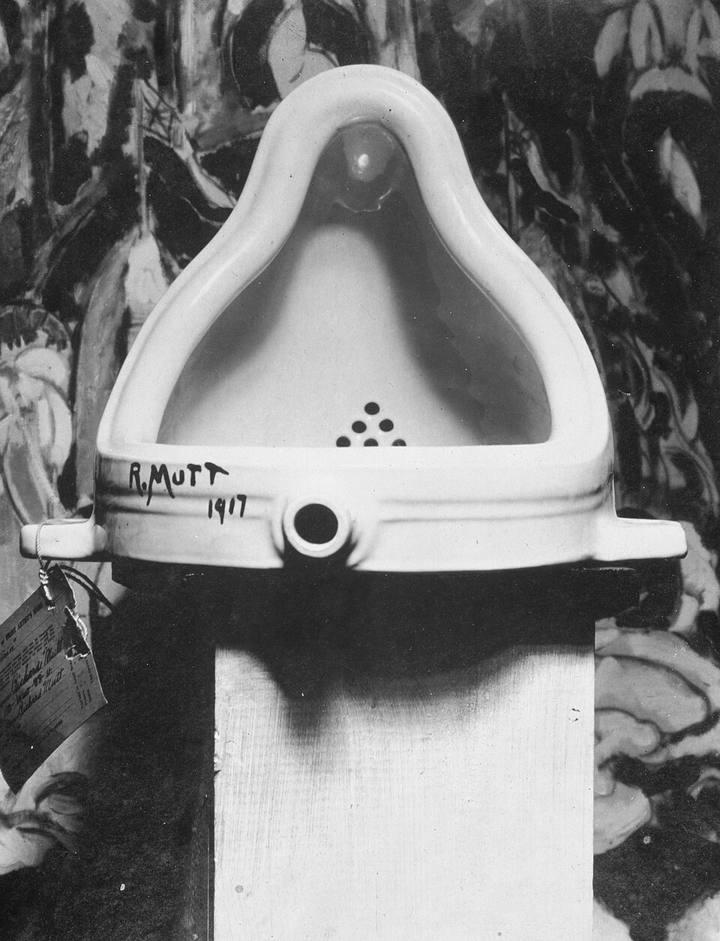
דושאן מזוהה יותר מכל עם ה"רדי מיידס" שלו, חפצי יום יום שנלקחו מהקשרם המקורי והוצגו כאמנות. המפורסמת שבהן היא Fountain מ 1917, משתנה שהוגשה לתערוכה תחת שם בדוי ושינתה מן היסוד את השיח הפילוסופי סביב האמנות. העבודה עוררה שאלות עמוקות על גבולות המדיום, תפקידו של האמן, מושג המקוריות והאופן שבו אנו מגדירים יצירת אמנות.
Fountain, 1917. Photograph by Alfred Stieglitz. Public domain.
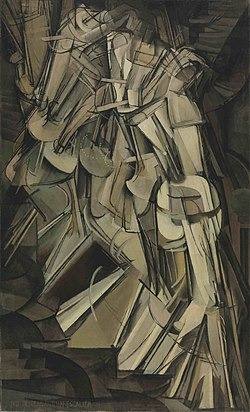
אף שהתערוכה מבקשת לבחון את היקף יצירתו של דושאן באופן כמעין מחקרי, כמעין מעבדה רחבת ממדים, נדמה לעיתים שאוצריה מבקשים להציג מחדש את דמותו של האמן יותר מאשר להציע פרשנות חדשה או גילוי משמעותי אודותיו. אהבתי במיוחד את הבחירה לכלול את ציוריו המוקדמים, ובהם Nude Descending a Staircase (No. 2) מ 1912, שכן רבים אינם מודעים לכך שדושאן החל את דרכו כצייר. עם זאת, הורגש בעיניי חסרונן של עבודותיו הקינטיות והתנועתיות, שעמדו על התפר שבין אובייקט, תנועה ותפיסה, וביטאו את אחד הרעיונות המרכזיים ביצירתו: אמנות כחוויה, ולא רק כאובייקט.
Nude Descending a Staircase (No. 2), 1912.
ועדיין, האפשרות לראות יחד גוף עבודות כה רחב של אחד האמנים המשפיעים והחידתיים ביותר של המאה ה 20, הופכת את התערוכה לביקור ששווה בהחלט להקדיש לו זמן. בתצוגה עד 22 באוגוסט 2026.
Continuing the critical conversation around the question "What is art?", it is hard to ignore the exhibition of one of the artists who, it can fairly be said, influenced the art world more than any other artist of the 20th century: the French American artist Marcel Duchamp. With thinking that was groundbreaking and radical for its time, Duchamp paved the way to a new era of creative freedom whose echoes are felt to this day. Through a wide ranging retrospective of some 300 works spanning six decades of creation, the Museum of Modern Art (MoMA) traces the path of an exceptional artist who chose not to belong to the artistic movements active around him, but to shape for himself a unique and independent artistic language.
Duchamp is identified above all with his readymades, everyday objects taken out of their original context and presented as art. The most famous of them is Fountain from 1917, a urinal submitted to an exhibition under a pseudonym, which changed the philosophical discourse around art from its foundations. The work raised deep questions about the boundaries of the medium, the role of the artist, the concept of originality, and the way we define a work of art.
Fountain, 1917. Photograph by Alfred Stieglitz. Public domain.
Although the exhibition sets out to examine the scope of Duchamp's work in an almost research-like manner, a kind of vast laboratory, at times it feels as if its curators seek to re-present the figure of the artist more than to offer a new interpretation or a significant discovery about him. I especially liked the decision to include his early paintings, among them Nude Descending a Staircase (No. 2) from 1912, since many people are unaware that Duchamp began his path as a painter. That said, I felt the absence of his kinetic and motion based works, which stood on the seam between object, movement, and perception, and expressed one of the central ideas of his art: art as experience, not only as object.
Nude Descending a Staircase (No. 2), 1912.
And still, the chance to see together such a broad body of work by one of the most influential and enigmatic artists of the 20th century makes this exhibition well worth your time. On view through August 22, 2026.
Working with Stavעבודה עם סתיו
Art curator and advisor in Tenafly, New Jersey, for New York, Bergen County and Tel Aviv.אוצרת ויועצת אמנות בטנפליי, ניו ג'רזי, לניו יורק, למחוז ברגן ולתל אביב.
This browser has no email app set up, so nothing opened. Copy the address, or open it in your webmail.בדפדפן הזה לא מוגדרת תוכנת דואר, ולכן לא נפתח כלום. העתיקו את הכתובת, או פתחו אותה בדואר האינטרנטי שלכם.