Dining room art: what to hang, how big, and how highאמנות לפינת האוכל: מה לתלות, באיזה גודל ובאיזה גובה
Dining room art is hung for people who are sitting: one large work, or a pair or row that reads as one, about two thirds the width of the sideboard or table below it. Hang it lower than in a hallway, with the frame clear of the chair backs, and choose a work you can look at for an hour, because in a dining room you do.אמנות לפינת האוכל נתלית בשביל אנשים שיושבים: עבודה גדולה אחת, או זוג או שורה שנקראים כאחת, ברוחב של כשני שלישים מהמזנון או מהשולחן שמתחת. תלו אותה נמוך יותר מאשר במסדרון, כשהמסגרת מעל משענות הכיסאות, ובחרו עבודה שאפשר להסתכל עליה שעה, כי בפינת האוכל זה בדיוק מה שעושים.
By Stav Theodor, art curator and advisor, THEODORAמאת סתיו תאודור, אוצרת ויועצת אמנות, THEODORA
Beforeלפני
Afterאחרי
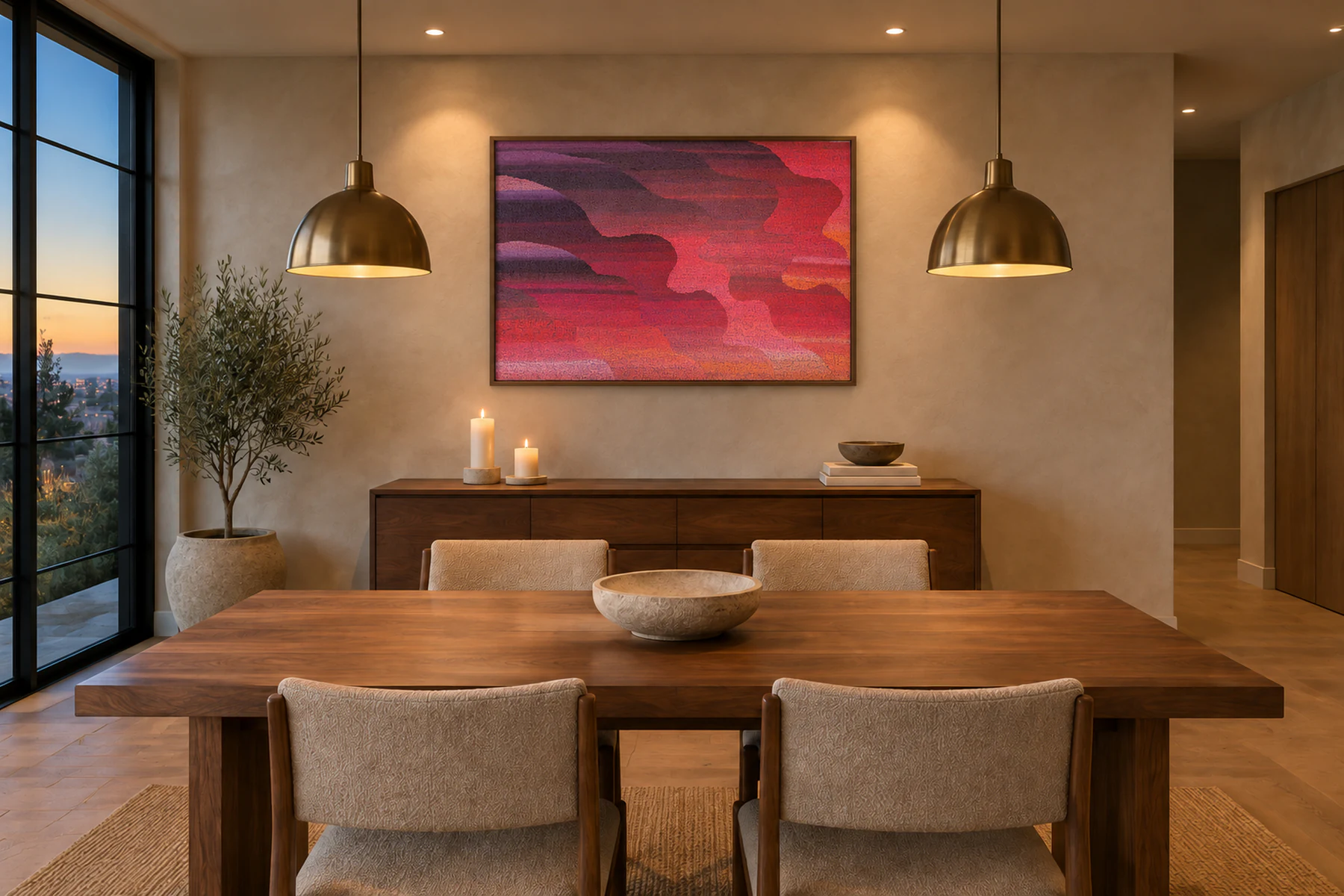
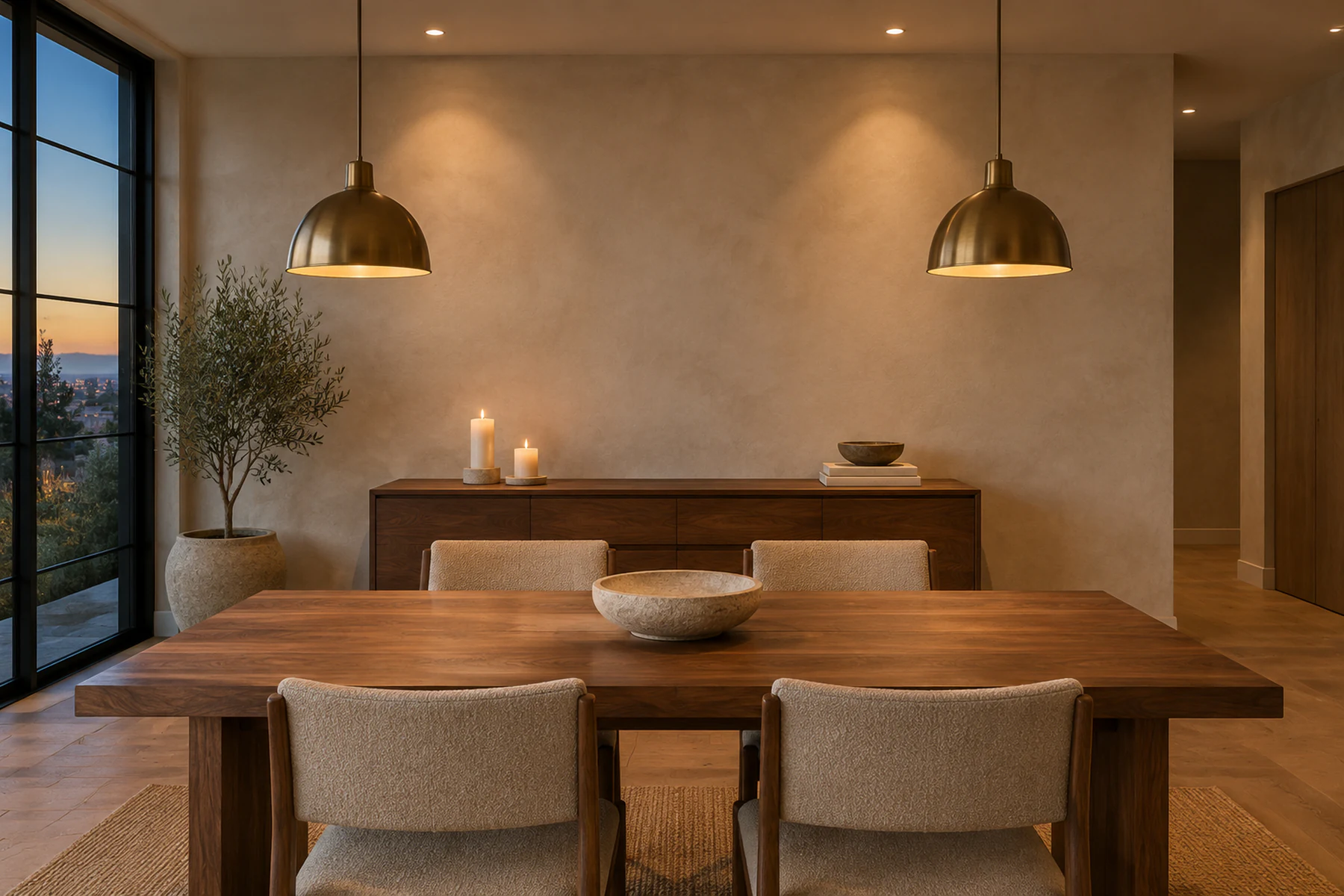
Proposal · how THEODORA would dress this spaceהצעה · כך THEODORA הייתה מלבישה את החלל הזהA dining space at dusk, a red and plum abstract above the sideboard.חלל אוכל בשעת בין ערביים, יצירה מופשטת באדום ובשזיף מעל המזנון.
פינת האוכל היא המקום היחיד בבית שבו אנשים יושבים מול קיר אחד לאורך זמן. עבודה במסדרון מקבלת כמה שניות; העבודה שמעבר לשולחן מקבלת את כל הארוחה. זה משנה את מה שאני בוחרת, כמה גדול אני הולכת וכמה נמוך אני תולה. הנה איך אני ניגשת לפינת אוכל, עם המידות שאני עובדת איתן.
איזו אמנות מתאימה לקיר של פינת האוכל?
בחרו עבודה שמתגמלת התבוננות ארוכה. ציורים עם עומק, צבע בשכבות או משטח שמשתנה כשהאור זז מחזיקים לאורך ארוחה אחת ועוד מאה. כך גם תצלומים גדולים שיש בהם הרבה לגלות, ונופים או עבודות מופשטות עם קו אופקי חזק, שמהדהדים את השולחן ומרגיעים את החלל. העבודה לא צריכה להראות אוכל; היא רק צריכה להחזיק מבט ארוך.
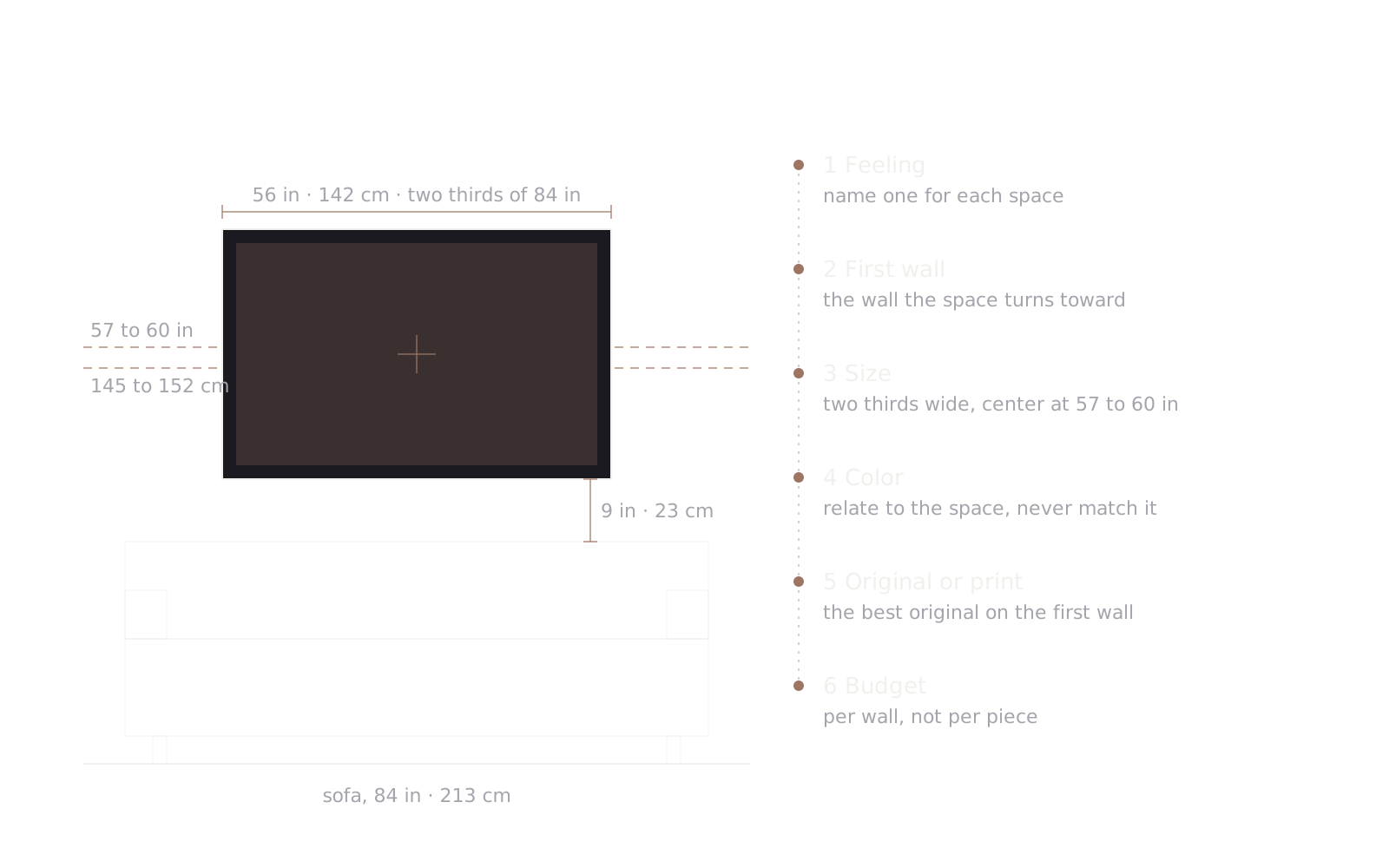
תרשים 1המזנון קובע את הגובה: העבודה ברוחב שני שלישים ממנו, 8 אינץ' מעל המשטח שלו.
מה שכמעט אף פעם לא עובד הוא הדימוי הרועש של רעיון אחד: סיסמה, פנים ענקיות שבוהות לאורך השולחן, בדיחה שמפסיקים לצחוק ממנה בפעם השנייה. האורחים יושבים במקומות קבועים; מישהו יישב מול העבודה הזו כל הערב.
לגבי צבע, אני לוקחת צבע אחד שכבר יש בחלל, מהכיסאות, מהעץ או מהשטיח, ונותנת לעבודה להביא צבע שאין בו. פינת אוכל באלון ולבן יכולה לקבל כחול עמוק או טרקוטה; התאמת האמנות לריפוד גורמת לה להיראות כמו חלק מהזמנת הרהיטים. מראה מכפילה את האור, אבל היא מכפילה גם את השולחן ואת גופי התאורה; אם אתם רוצים מראה, תנו לה קיר צדדי, והשאירו את האמנות על הקיר שהאורחים פונים אליו.
ארבעה סידורים שעובדים על קיר פינת האוכל
תרשים 2כל סידור ממורכז על משהו: השולחן, המזנון או הפתח.
עבודה מרכזית אחת ממורכזת מעל המזנון או על ציר השולחן. האפשרות הפשוטה ביותר ובדרך כלל החזקה ביותר, ובפינת אוכל קטנה בדרך כלל היחידה שצריך.
שורה של שתיים או שלוש עבודות קטנות יותר שנקראות כמחווה אחת. בבית חדש בקלוסטר, ניו ג'רזי, שלושה ציורים קטנים בכחולים, ורודים וסגולים תלויים בשורה מעל שולחן האלון, קרובים בקנה מידה ובפלטה, מתחת לשני גופי תאורה שחורים. הסוד הוא שהן קשורות זו לזו, והמרווחים צפופים: 2 עד 3 אינץ' (5 עד 8 ס״מ).
זוג אנכי משני צדי פתח או חלון, כשאין קיר רחב אחד.
קיר גלריה על קיר ארוך מול השולחן, לאוסף של עבודות קטנות יותר. הוא מתאים לפינת אוכל שמשמשת גם כספרייה או כחדר משפחה; כללי הסידור מופיעים ברעיונות לקיר גלריה.
באיזה גודל: כלל שני השלישים, במידות
האמנות, או הקבוצה, צריכה לפרוש על כשני שלישים מהרהיט שמתחתיה. מדדו את המזנון אם יש כזה על הקיר הזה; אם הקיר נמצא מאחורי השולחן ושום דבר לא צמוד אליו, מדדו את השולחן.
תרשים 3כשני שלישים מרוחב הרהיט, בין שמדובר בעבודה אחת ובין שבקבוצה.
מזנון של 60 אינץ' (152 ס״מ): אמנות ברוחב של כ-40 אינץ' (102 ס״מ).
מזנון של 72 אינץ' (183 ס״מ): כ-48 אינץ' (122 ס״מ).
שולחן של 84 אינץ' (213 ס״מ): כ-56 אינץ' (142 ס״מ).
שולחן של 96 אינץ' (244 ס״מ): כ-64 אינץ' (163 ס״מ), או שלוש עבודות של 19 אינץ' עם מרווחים של 3 אינץ'.
רוב האנשים קונים קטן מדי לפינת האוכל, כי הם שופטים את הגודל כשהם עומדים קרוב לקיר. סמנו בסרט הדבקה את קו המתאר של העבודה על הקיר והסתכלו עליו מהכיסא הרחוק לפני שאתם קונים.
באיזה גובה: תולים בשביל אנשים שיושבים
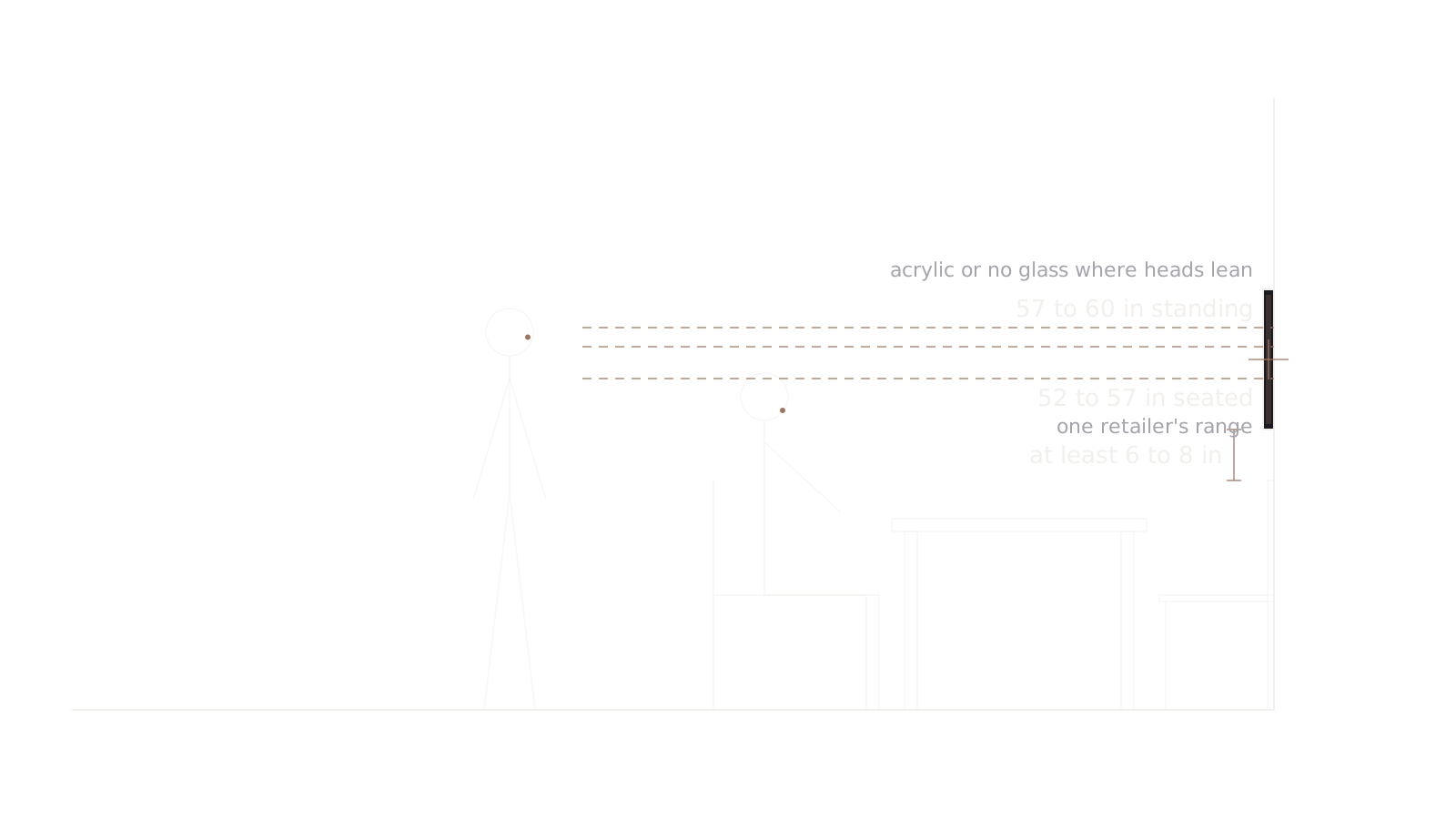
תלו אמנות בפינת האוכל נמוך יותר מאשר במסדרון, כי האורחים רואים אותה מכיסא, ושמרו על המסגרת מעל משענות הכיסאות. כלל העמידה של 57 עד 60 אינץ' מתוך איך לתלות תמונות יכול למקם עבודה מעל עיניים של אדם יושב, ואף מחקר לא נותן מספר לישיבה. הנתון היחיד שפורסם הוא של קמעונאית אחת: ארטפולי וולס מציעה לפינות אוכל מרכז של כ-52 עד 57 אינץ' (132 עד 145 ס״מ). בדקו כל גובה מהכיסאות עצמם.
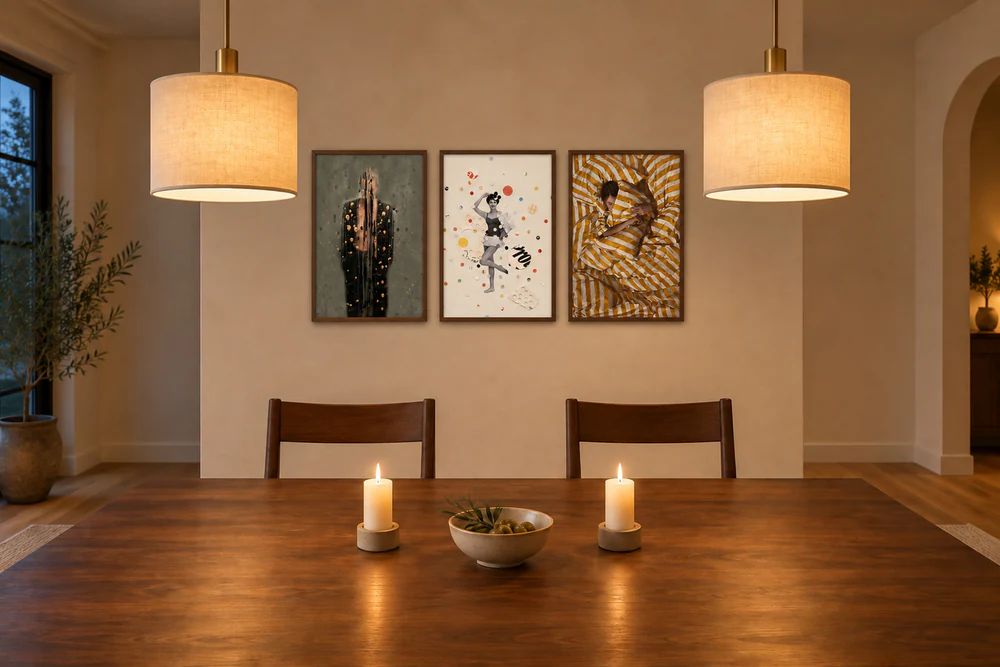
תרשים 4נמוך יותר במקום שבו יושבים, אבל מעל הכיסאות.הצעה · תלויים לגובה העיניים בישיבה, שלושת ההדפסים נמוכים יותר מאשר במסדרון ועדיין מעל משענות הכיסאות.
טבלה 1מיקומים בפינת האוכל: רוחב וגובה
מיקום
רוחב
גובה
הערה
מעל מזנון או בופה
כשני שלישים מהמזנון
6 עד 10 אינץ' (15 עד 25 ס״מ) מעל המשטח שלו
המזנון קובע את הגובה
מאחורי השולחן, כיסאות צמודים לקיר
כשני שלישים מהשולחן
המסגרת לפחות 6 עד 8 אינץ' (15 עד 20 ס״מ) מעל משענת הכיסא הגבוהה ביותר
אקריליק או בלי זכוכית במקום שבו ראשים נשענים
קיר פתוח מול השולחן
כשני שלישים מהשולחן
מתחת ל-57 עד 60 אינץ' של העמידה
בדקו מהכיסא שפונה לקיר
ליד חלון או פתח
זוג אנכי, אחת בכל צד
שני המרכזים באותו גובה
מרכזו כל עבודה על רצועת הקיר שלה
פינת אוכל בחלל פתוח
כשני שלישים מהשולחן
כמו בקיר פתוח
מרכזו על ציר השולחן, לא על הקיר
אור, זכוכית ובעיית גופי התאורה
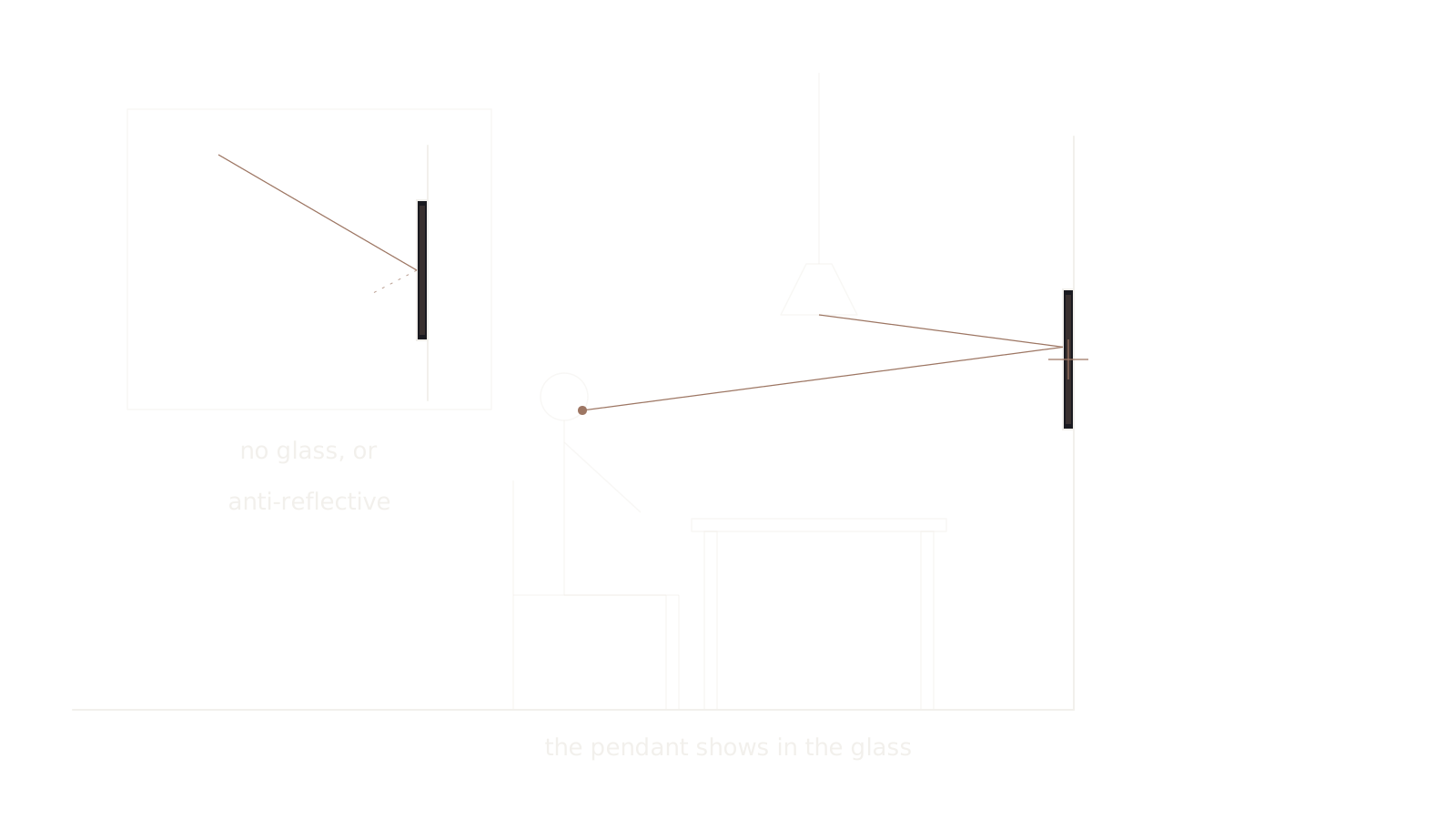
מנורות תלויות ונברשות יורדות נמוך מעל השולחן, וכל מסגרת עם זכוכית שמולן מראה השתקפות של גוף התאורה. לקיר הזה, בחרו קנבס או לוח בלי זכוכית, או בקשו מהממסגר זיגוג נגד השתקפות. האירו את העבודה עצמה בספוט תקרה שמכוון בזווית של כ-30 מעלות מהאנך, עם עמעם, כך שהאמנות נשארת נראית גם כשהמנורות התלויות מעומעמות. איפה למקם את הספוט לפי גובה התקרה ואיזו נורה לקנות מופיע במדריך איך להאיר אמנות.
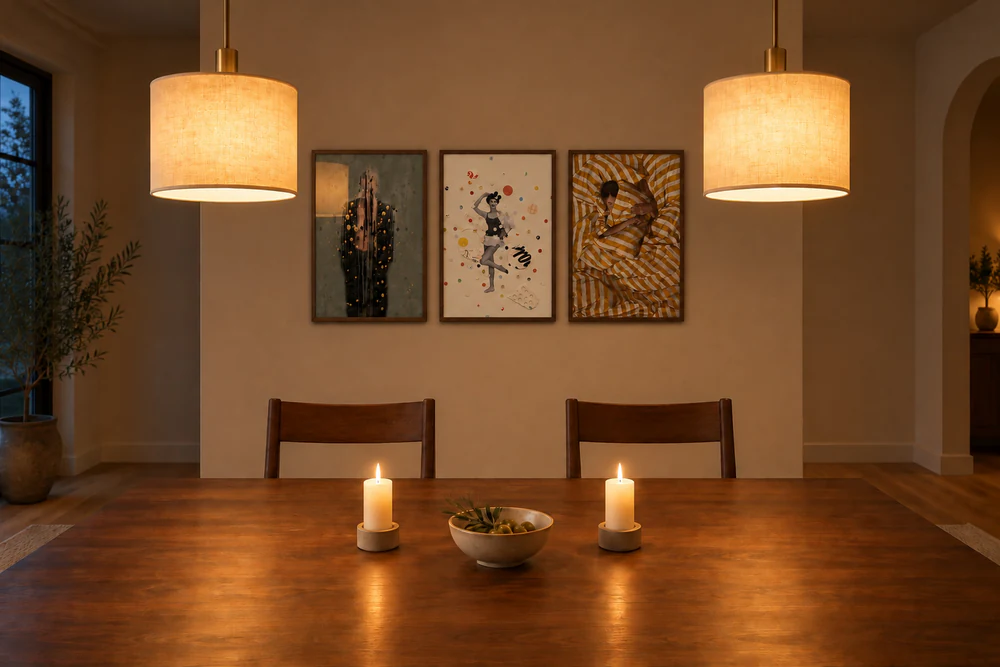
תרשים 5זכוכית מול מנורה תלויה נמוכה מראה לאורח היושב את גוף התאורה.הצעה · גם כשגופי התאורה נמוכים, שלוש העבודות לא מחזירות לאורח היושב השתקפות של המנורות.
מסעדות פועלות לפי אותו היגיון בקנה מידה גדול יותר, עם אור ערב נמוך וכל שולחן כנקודת מבט. גם על החללים האלה אני עובדת; ראו אמנות למסעדות.
פינות אוכל בחלל פתוח
בחלל פתוח, האמנות היא מה שאומר לכם שפינת האוכל היא חלל בפני עצמו. מרכזו עבודה אחת על ציר השולחן, לא על הקיר, גם אם הקיר ממשיך הלאה. השולחן והעבודה יחד מסמנים את האזור, ופינת הישיבה יכולה לשאת קנה מידה אחר.
תרשים 6בחלל פתוח, העבודה ממורכזת על ציר השולחן ומסמנת את אזור האוכל.
לשמור על העבודה
פינת אוכל ליד מטבח פתוח סופגת אדים, חום ושומן; נרות משאירים פיח. עבודות על נייר ותצלומים צריכים שם זיגוג. מרכז שימור המסמכים של צפון מזרח ארצות הברית ממליץ להרחיק תצלומים צבעוניים ממוסגרים וצבעי מים מאור שמש ישיר ומספוטים, אז תנו לעבודות האלה את הקיר שהשמש לא מגיעה אליו, והרחיקו קנבסים מקוריים מצד המטבח.
תרשים 7נייר ותצלומים על הקיר שהשמש לא מגיעה אליו; קנבס הרחק מהמטבח.
רשימת בדיקה לפני שקונים
מדדו את המזנון או השולחן ואת הקיר, ורשמו שני שלישים מרוחב הרהיט.
רשמו את גובה משענות הכיסאות ואת מיקום גופי התאורה.
החליטו על מקום הצפייה: הכיסא של המארחים או המקום שפונה לקיר. שפטו את העבודה משם.
בחרו צבע אחד מהחלל שיחזור, וצבע אחד שיתווסף.
סמנו את קו המתאר על הקיר והסתכלו עליו מהכיסא הרחוק.
החליטו אם זכוכית או לא לפי גופי התאורה והחלון.
הטעויות שאני רואה הכי הרבה
קטן מדי. הדפס של 24 אינץ' מעל שולחן של 96 אינץ'.
גבוה מדי. נתלה בשביל אורחים עומדים בחלל שבו כולם יושבים.
זכוכית מול הנברשת. היא מראה את גוף התאורה, לא את העבודה. בחרו זיגוג נגד השתקפות או בלי זכוכית.
התאמה לכיסאות במקום לבחור עבודה. חזרו על צבע אחד שיש בחלל והביאו צבע אחד שחסר בו.
מתי כדאי לפנות לאוצרת?
פינת האוכל היא לעיתים קרובות המקום שבו תלויה העבודה החשובה ביותר של המשפחה, זו שהאורחים יושבים מולה שעות. אני מתכננת חללים כאלה לבתים ולמעצבי פנים; הבית בקלוסטר הוא אחד מהם. אני אוצרת אמנות שפועלת מטנפליי, ניו ג'רזי, ואני עובדת ברחבי מחוז ברגן, ניו ג'רזי, העיר ניו יורק וקליפורניה, ואונליין עם לקוחות בכל מקום. אם אתם מתחילים לקנות, קראו איך מתחילים אוסף אמנות, או שלחו לי תמונה של קיר פינת האוכל דרך דף יצירת הקשר.
The dining room is the one room where people sit facing a single wall for a long time. A work in a hallway gets a few seconds; the work across the table gets the whole dinner. That changes what I choose, how large I go and how low I hang it. Here is how I approach a dining room, with the measurements I use.
What kind of art belongs on a dining wall?
Choose a work that rewards long looking. Paintings with depth, layered color or a surface that changes as the light moves hold up through a meal and a hundred more. So do large photographs with a lot to discover, and landscapes or abstracts with a strong horizontal line, which echo the table and calm the room. The work does not need to show food; it only needs to hold a long look.
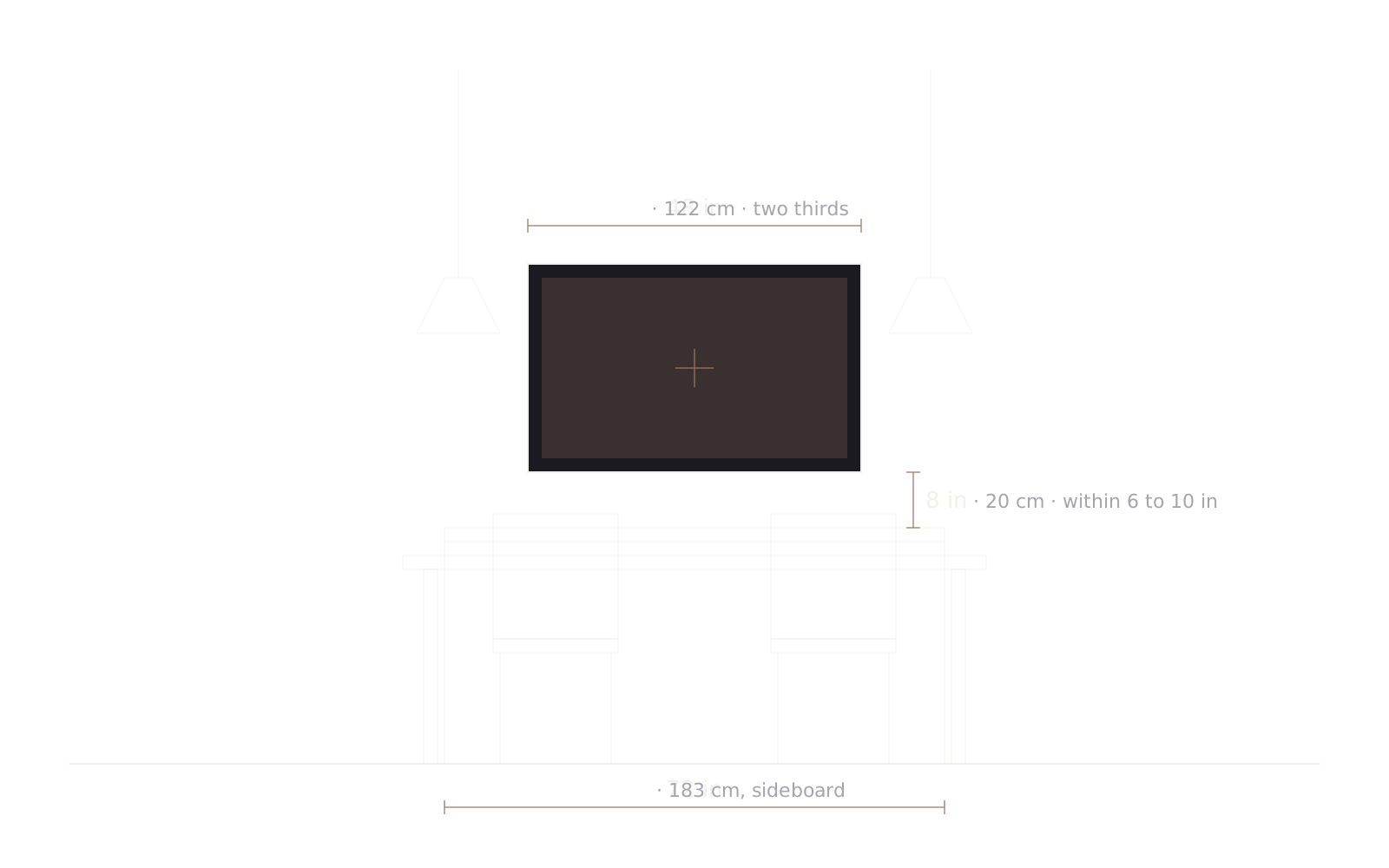
Figure 1The sideboard sets the height: the work is two thirds of its width, 8 inches above its top.
What rarely works is the loud single-idea image: a slogan, a huge face staring down the table, a joke you stop laughing at the second time. Your guests sit in fixed seats; someone will face that work all evening.
For color, I take one color the room already has, from the chairs, the wood or the rug, and let the work bring one it does not have. A dining room in oak and white can take deep blue or terracotta; matching the art to the upholstery makes it look like part of the furniture order. A mirror doubles the light, but it also doubles the table and the pendants; if you want one, give it a side wall and keep the art on the wall your guests face.
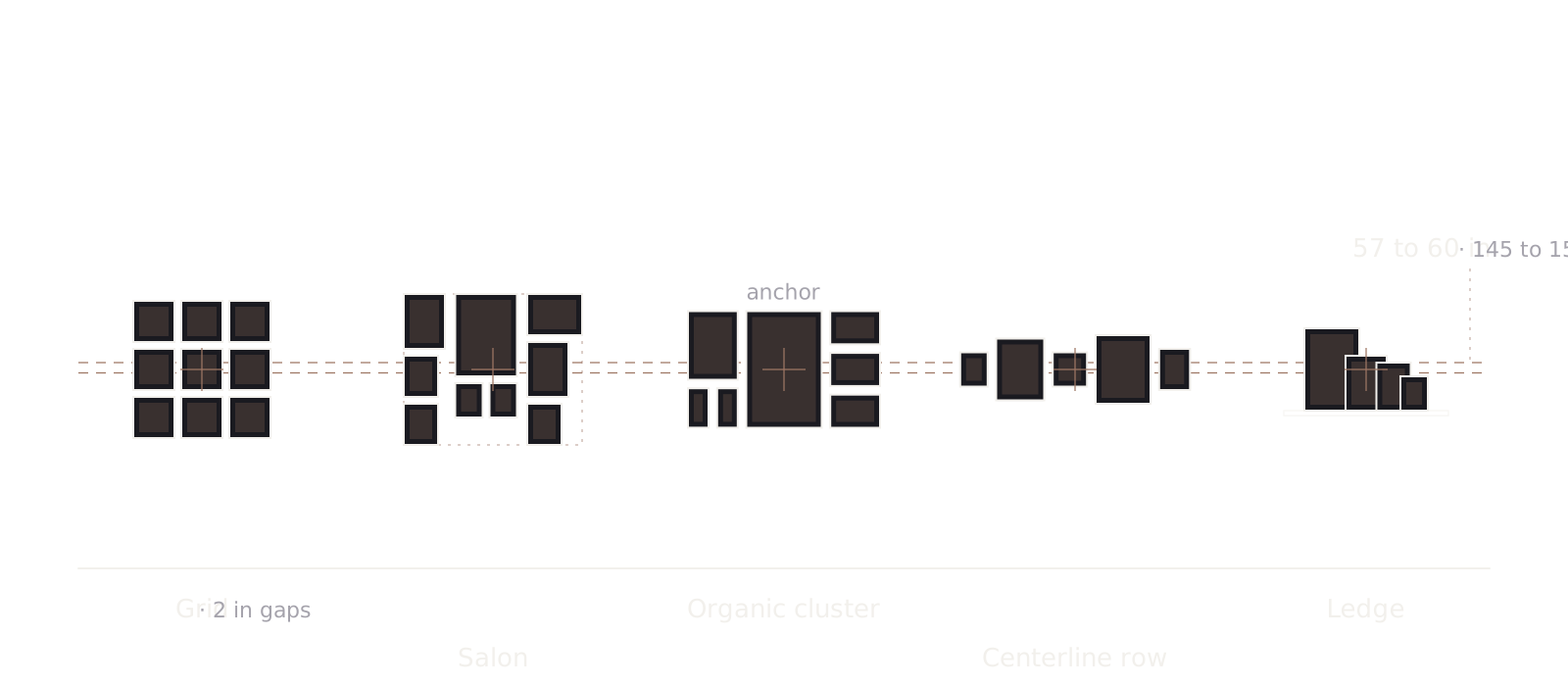
Four dining wall layouts that work
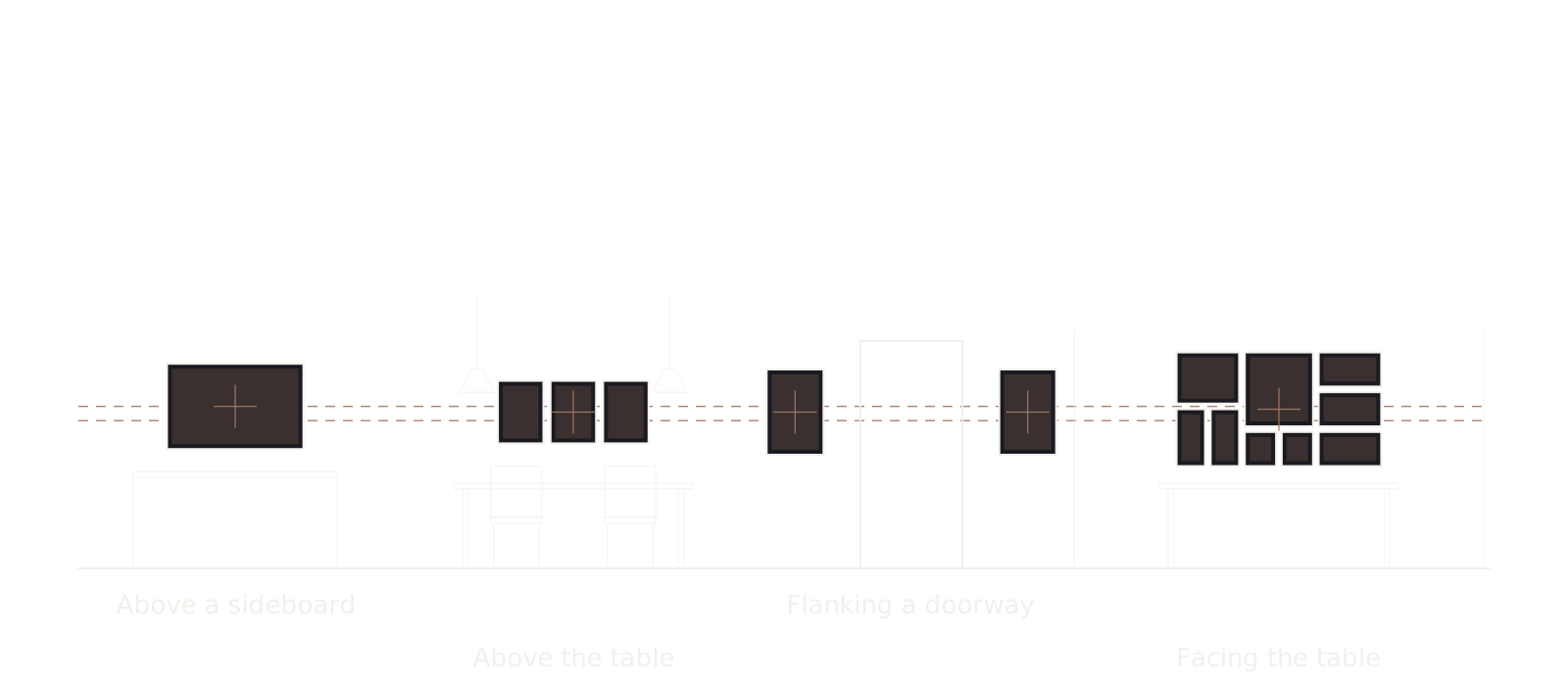
Figure 2Each layout is centered on something: the table, the sideboard or the doorway.
One main work centered above the sideboard or on the table's axis. The simplest option and usually the strongest, and in a small dining area usually the only one needed.
A row of two or three smaller works that read as one gesture. In a new house in Closter, New Jersey, three small paintings in blues, pinks and violets hang in a row above the oak table, close in scale and palette, under two black pendants. The key is that they are related, and the gaps are tight: 2 to 3 inches (5 to 8 cm).
A vertical pair on either side of a doorway or window, when there is no single wide wall.
A gallery wall on a long wall facing the table, for a collection of smaller works. It suits a dining room that doubles as a library or a family room; see gallery wall ideas for the layout rules.
How big: the two thirds rule, measured
The art, or the group, should span about two thirds of the furniture under it. Measure the sideboard if there is one on that wall; if the wall is behind the table with nothing against it, measure the table.
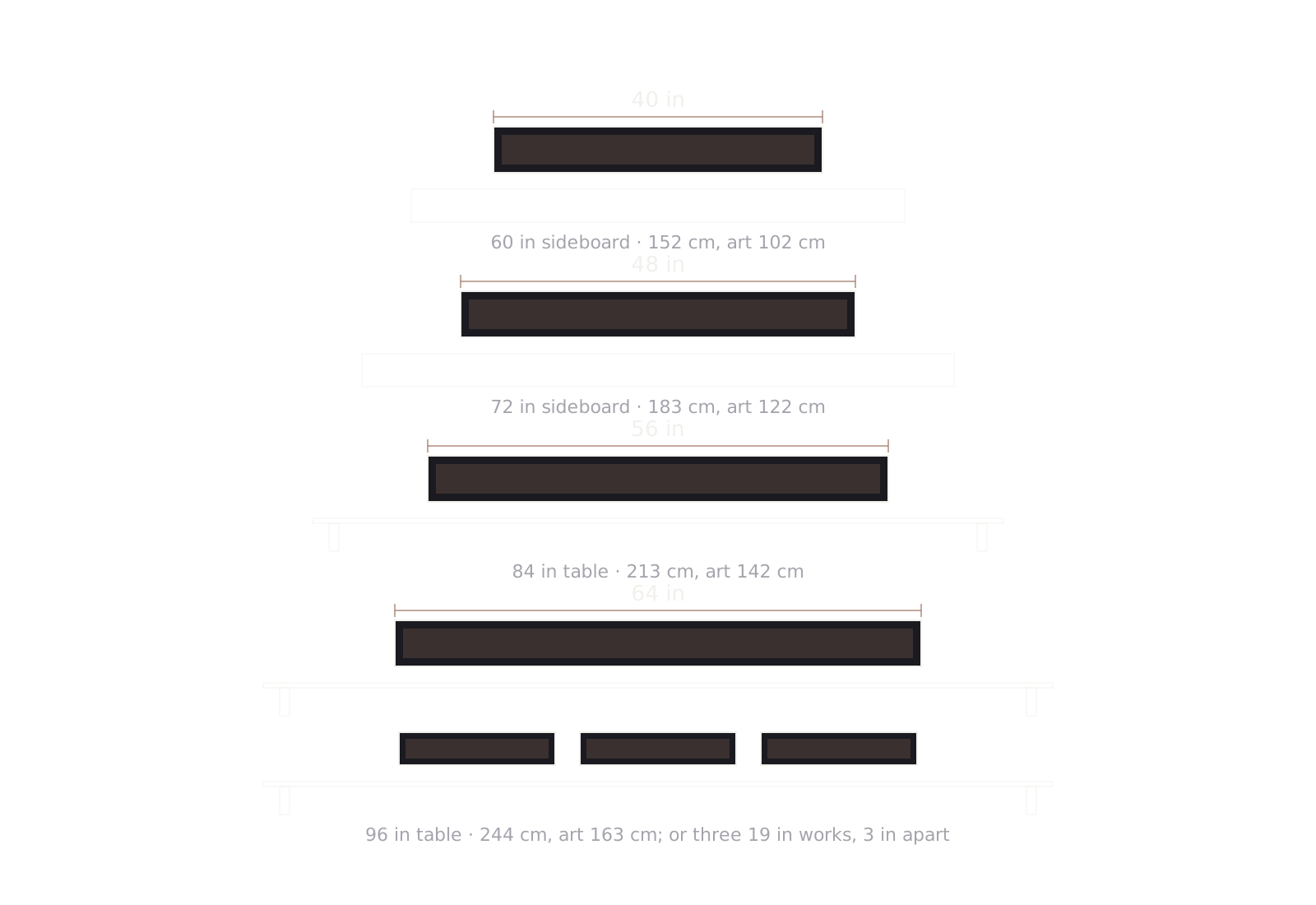
Figure 3About two thirds of the furniture's width, whether one work or a group.
60 inch (152 cm) sideboard: art about 40 inches wide (102 cm).
72 inch (183 cm) sideboard: about 48 inches (122 cm).
84 inch (213 cm) table: about 56 inches (142 cm).
96 inch (244 cm) table: about 64 inches (163 cm), or three works of 19 inches with 3 inch gaps.
Most people buy too small for a dining room, because they judge the size standing close to the wall. Tape the outline of the work on the wall and look at it from the far chair before you buy.
How high: hang for people who are sitting
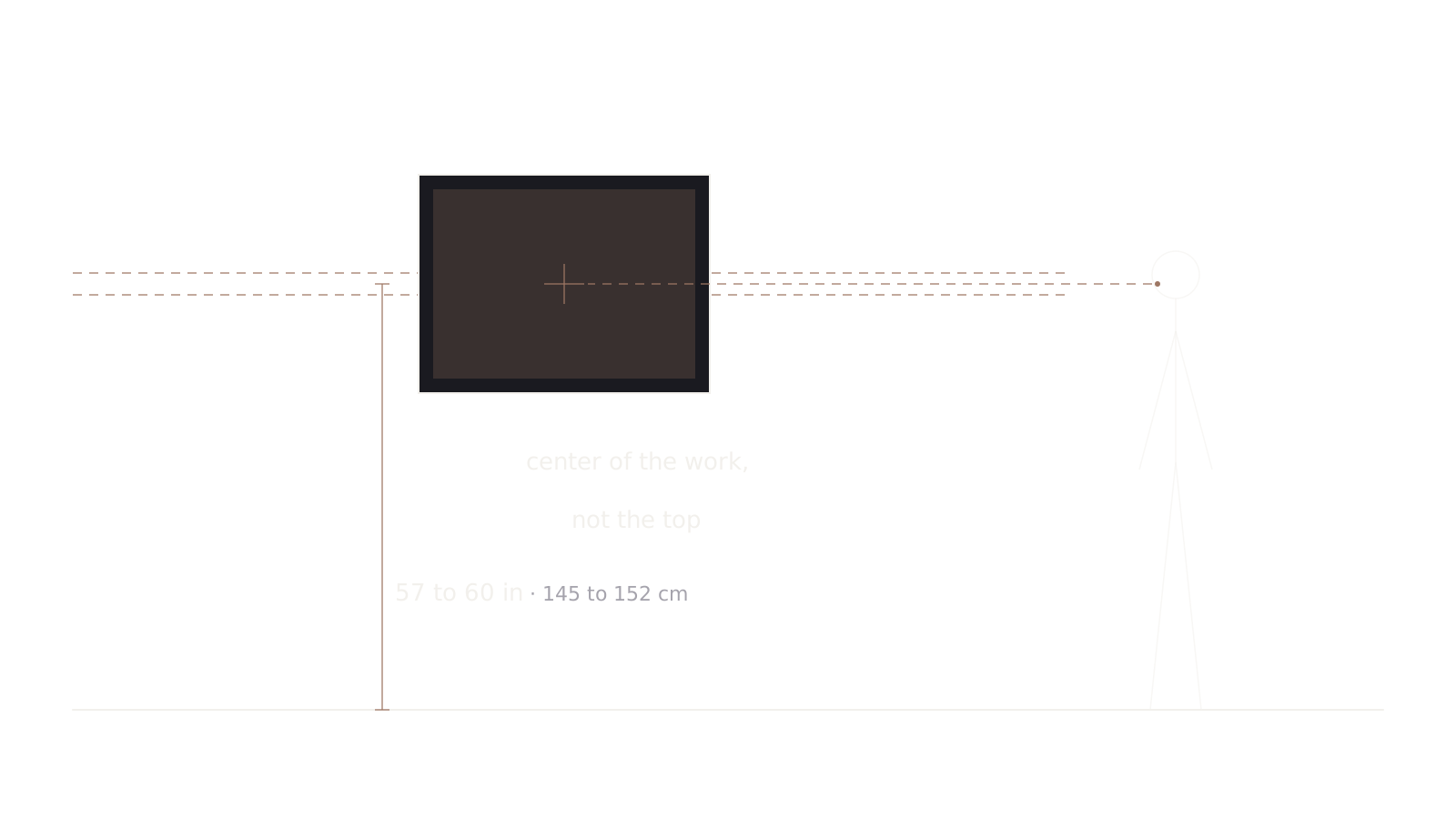
Hang dining room art lower than in a hallway, because guests see it from a chair, and keep the frame clear of the chair backs. The standing rule of 57 to 60 inches from how to hang pictures can put a work above seated eyes, and no study gives a seated number. The only published figure is one retailer's: Artfully Walls suggests a center of about 52 to 57 inches (132 to 145 cm) for dining rooms. Test any height from the chairs themselves.
Figure 4Lower where people sit, but clear of the chairs.Proposal · Hung for seated eyes, the three prints sit lower than in a hallway and stay clear of the chair backs.
Table 1Dining room placements: width and height
Placement
Width
Height
Note
Above a sideboard or buffet
About two thirds of the sideboard
6 to 10 in (15 to 25 cm) above its top
The sideboard sets the height
Behind the table, chairs against the wall
About two thirds of the table
Frame at least 6 to 8 in (15 to 20 cm) above the tallest chair back
Acrylic or no glass where heads lean
Open wall facing the table
About two thirds of the table
Below the standing 57 to 60 in
Check it from the chair facing the wall
Beside a window or doorway
A vertical pair, one each side
Both centers level
Center each work on its own strip of wall
Open plan dining area
About two thirds of the table
As for an open wall
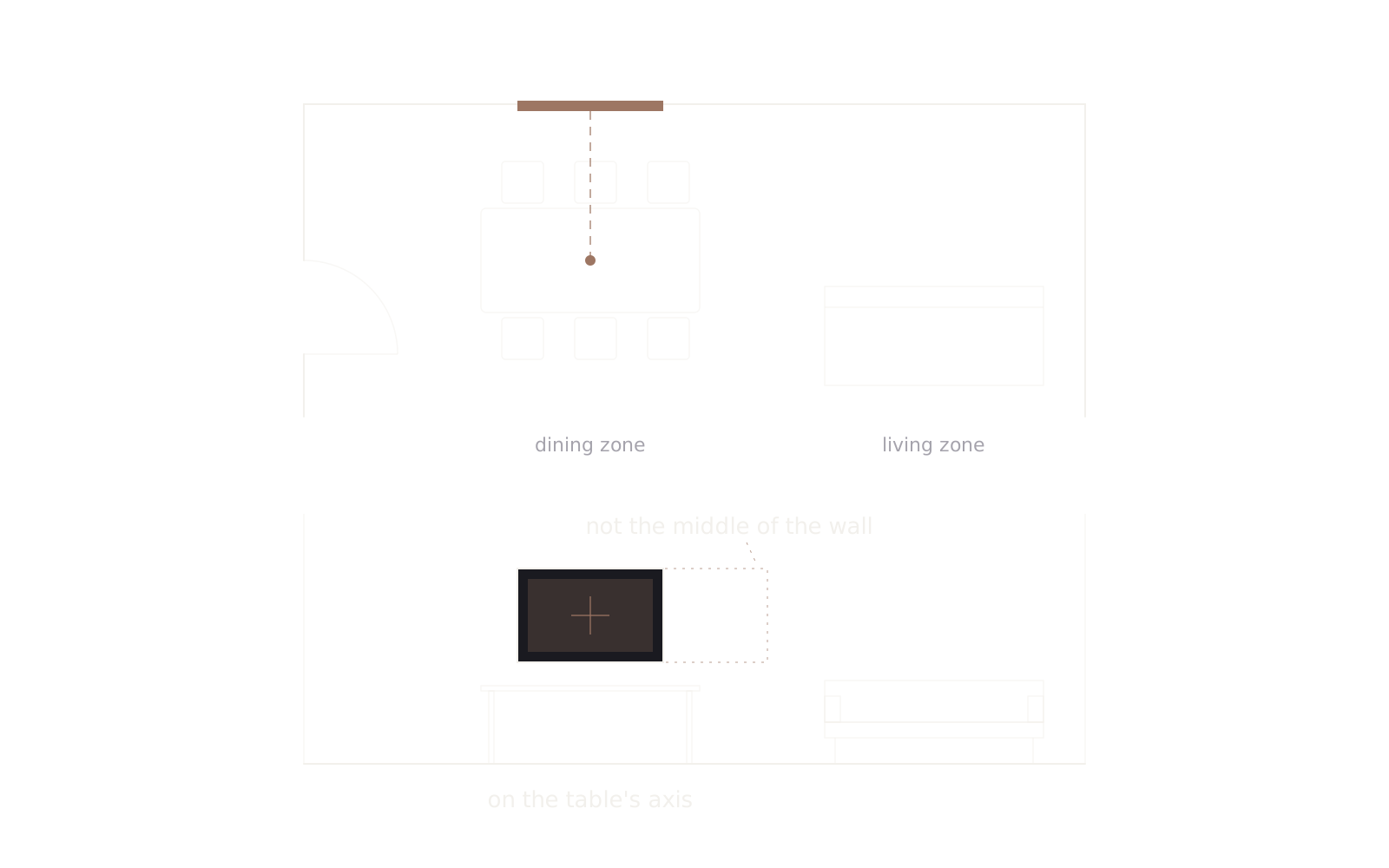
Center on the table's axis, not the wall
Light, glass and the pendant problem
Pendants and chandeliers hang low over the table, and every glazed frame across from them shows a reflection of the fixture. For that wall, choose canvas or panel without glass, or ask your framer for anti-reflective glazing. Light the work itself with a ceiling spot aimed at about 30 degrees from vertical, on a dimmer, so the art stays visible when the pendants are low. Where that spot goes for your ceiling height, and which bulb to buy, are in how to light art.
Figure 5Glass across from a low pendant shows the fixture to the seated guest.Proposal · Even with the pendants low, the three works show a seated guest no reflection of the fixtures.
Restaurants follow the same logic at a larger scale, with low evening light and every table as a viewpoint. I work on those rooms too; see art for restaurants.
Open plan dining areas
In an open plan space, art is what tells you the dining area is a room. Center one work on the axis of the table, not on the wall, even if the wall continues past it. The table and the work together mark the zone, and the living area can carry a different scale.
Figure 6In an open plan, the work centers on the table's axis and marks the dining zone.
Protecting the work
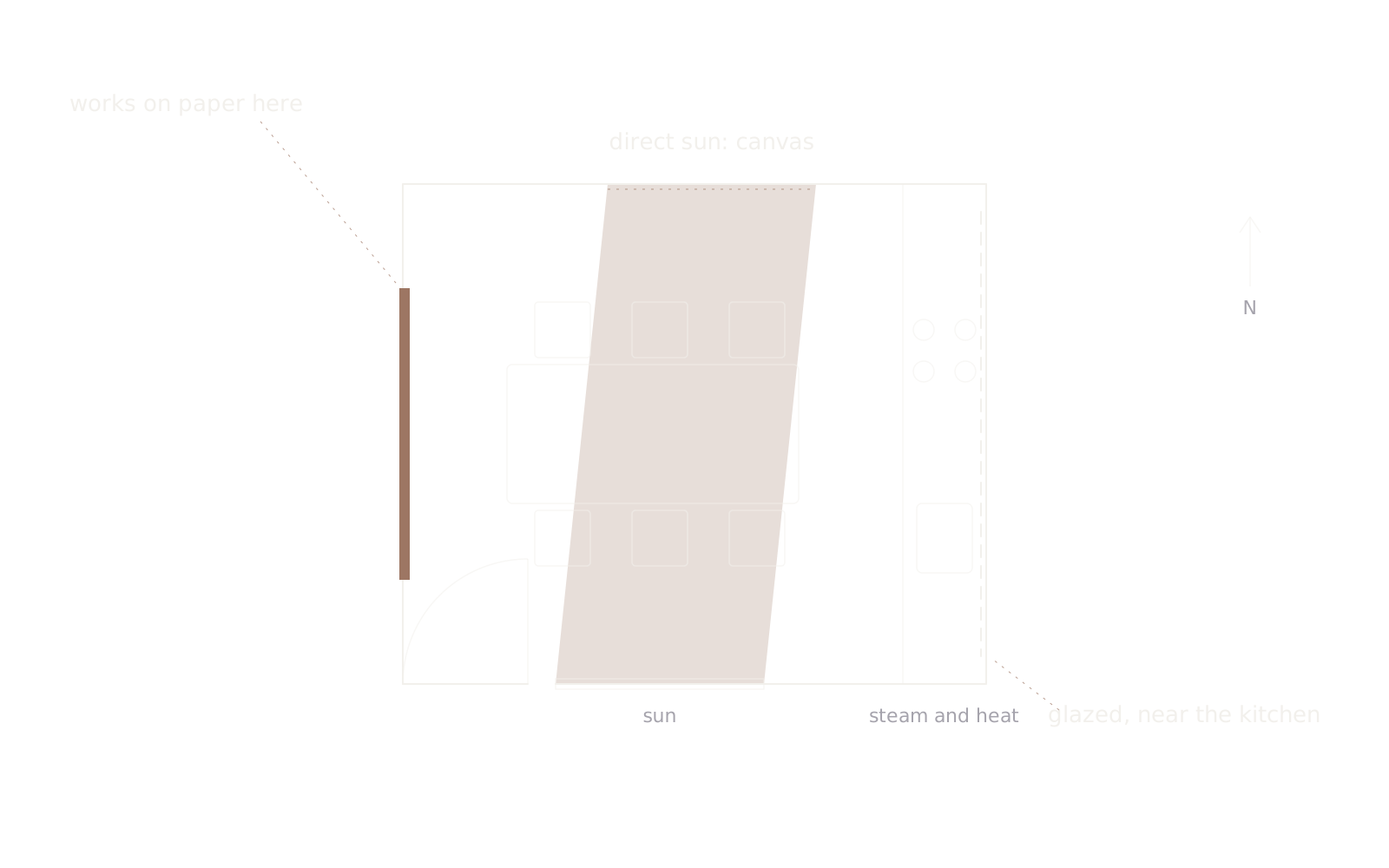
A dining room next to an open kitchen gets steam, heat and grease; candles leave soot. Works on paper and photographs need glazing there. The Northeast Document Conservation Center advises keeping framed color photographs and watercolors out of direct sun and spotlights, so give those works the wall the sun does not reach, and keep original canvases away from the kitchen side.
Figure 7Paper and photographs on the wall the sun does not reach; canvas away from the kitchen.
A checklist before you buy
Measure the sideboard or table and the wall, and write down two thirds of the furniture width.
Note the chair back height and the pendant position.
Decide the viewing seat: the host's chair or the seat facing the wall. Judge the work from there.
Choose one room color to repeat and one to add.
Tape the outline on the wall and look at it from the far chair.
Decide glass or no glass according to the pendants and the window.
The mistakes I see most often
Too small. A 24 inch print above a 96 inch table.
Too high. Hung for standing guests in a room where everyone sits.
Glass opposite the chandelier. It shows the fixture, not the work. Choose anti-reflective glazing or no glass.
Matching the chairs instead of choosing a work. Repeat one color the room has and bring one it lacks.
What kind of art should hang in the dining room?איזו אמנות כדאי לתלות בפינת האוכל?
Dining room art should reward long looking, because people sit facing it through a whole meal. Paintings with layered color or texture, large photographs with detail to discover, and landscapes or abstracts with a strong horizontal line all work well. Avoid loud single-idea images that someone would have to face all evening.אמנות לפינת האוכל צריכה לתגמל התבוננות ארוכה, כי אנשים יושבים מולה לאורך ארוחה שלמה. ציורים עם צבע בשכבות או מרקם, תצלומים גדולים עם פרטים לגלות, ונופים או עבודות מופשטות עם קו אופקי חזק עובדים כולם היטב. הימנעו מדימויים רועשים של רעיון אחד שמישהו יצטרך לשבת מולם כל הערב.
What size art should go in a dining room?באיזה גודל צריכה להיות אמנות בפינת האוכל?
Dining room art should be about two thirds of the width of the furniture below it. Measure the sideboard if one stands on that wall, or the table if the art hangs behind it. A 72 inch sideboard takes art about 48 inches wide; a 96 inch table takes a work or group about 64 inches wide.אמנות בפינת האוכל צריכה להיות ברוחב של כשני שלישים מהרהיט שמתחתיה. מדדו את המזנון אם יש כזה על הקיר הזה, או את השולחן אם האמנות נתלית מאחוריו. מזנון של 72 אינץ' מקבל אמנות ברוחב של כ-48 אינץ'; שולחן של 96 אינץ' מקבל עבודה או קבוצה ברוחב של כ-64 אינץ'.
How high should art hang in a dining room?באיזה גובה תולים אמנות בפינת האוכל?
Dining room art hangs lower than art in a hallway, because people see it sitting down. No study sets a seated height; one retailer, Artfully Walls, suggests a center of about 52 to 57 inches (132 to 145 cm) for dining rooms. Above a sideboard, leave 6 to 10 inches above its top, and behind chairs keep the frame at least 6 to 8 inches above the tallest chair back.אמנות בפינת האוכל נתלית נמוך יותר מאשר במסדרון, כי רואים אותה בישיבה. אף מחקר לא קובע גובה לישיבה; קמעונאית אחת, ארטפולי וולס, מציעה לפינות אוכל מרכז של כ-52 עד 57 אינץ' (132 עד 145 ס״מ). מעל מזנון, השאירו 6 עד 10 אינץ' מעל המשטח שלו, ומאחורי כיסאות שמרו על המסגרת לפחות 6 עד 8 אינץ' מעל משענת הכיסא הגבוהה ביותר.
What is the best wall art for a dining room?מהי האמנות הטובה ביותר לקיר בפינת האוכל?
The best wall art for a dining room is the work you will still want to look at after a hundred dinners. In practice that is usually a painting with depth, layered color or a surface that changes with the light, in a palette that repeats one color from the room and adds one it lacks. The best choice depends on the room and on you, not on a list.האמנות הטובה ביותר לפינת האוכל היא העבודה שעוד תרצו להסתכל עליה אחרי מאה ארוחות ערב. בפועל זה בדרך כלל ציור עם עומק, צבע בשכבות או משטח שמשתנה עם האור, בפלטה שחוזרת על צבע אחד מהחלל ומוסיפה צבע אחד שחסר בו. הבחירה הטובה ביותר תלויה בחלל ובכם, לא ברשימה.
Should dining room art be horizontal or vertical?אמנות בפינת האוכל צריכה להיות אופקית או אנכית?
Dining room art above a table or a sideboard is usually best horizontal, because it echoes the long line of the furniture. Vertical works suit narrow walls, the spaces beside a doorway or window, and pairs. A row of two or three vertical works hung close together can also read as one horizontal composition.אמנות מעל שולחן או מזנון בפינת האוכל עדיפה בדרך כלל אופקית, כי היא מהדהדת את הקו הארוך של הרהיט. עבודות אנכיות מתאימות לקירות צרים, למקומות שליד פתח או חלון, ולזוגות. שורה של שתיים או שלוש עבודות אנכיות שנתלות קרוב זו לזו יכולה גם היא להיקרא כקומפוזיציה אופקית אחת.
Should dining room art have glass?האם אמנות בפינת האוכל צריכה זכוכית?
Dining room works on paper and photographs need glazing, especially near an open kitchen, where steam and grease reach the walls. If the work faces a chandelier or a window, choose anti-reflective glazing so the fixture does not appear in the picture, or choose a canvas or panel that needs no glass.עבודות על נייר ותצלומים בפינת האוכל צריכים זיגוג, במיוחד ליד מטבח פתוח, שבו אדים ושומן מגיעים לקירות. אם העבודה פונה לנברשת או לחלון, בחרו זיגוג נגד השתקפות כדי שגוף התאורה לא יופיע בתמונה, או בחרו קנבס או לוח שלא צריכים זכוכית.
Send me one photo of the wall, and a line about the space. I will tell you what I see.שלחו לי תמונה אחת של הקיר ושורה על החלל. אספר לכם מה אני רואה.
This browser has no email app set up, so nothing opened. Copy the address, or open it in your webmail.בדפדפן הזה לא מוגדרת תוכנת דואר, ולכן לא נפתח כלום. העתיקו את הכתובת, או פתחו אותה בדואר האינטרנטי שלכם.
 Beforeלפני