Art for a small apartment: how to make a small space feel larger, and what to keep when you downsizeאמנות לדירה קטנה: איך לגרום לחלל קטן להרגיש גדול יותר, ומה לשמור כשעוברים לדירה קטנה יותר
Art for a small apartment works best as fewer, larger pieces: one anchor work per space, on the wall you see first from the door or the sofa, makes a small space feel calmer and larger than a scatter of small frames. At THEODORA I start a small apartment the way I start any home: I survey the space and its sightlines and define the main wall from them, then put the best original your budget allows on that wall and let editions and prints carry the rest.באמנות לדירה קטנה, מעט עבודות גדולות יותר עובדות הכי טוב: עבודת עוגן אחת לכל חלל, על הקיר שרואים ראשון מהדלת או מהספה, גורמת לחלל קטן להרגיש רגוע וגדול יותר מפיזור של מסגרות קטנות. ב-THEODORA אני מתחילה דירה קטנה כמו שאני מתחילה כל בית: אני סוקרת את החלל ואת כיווני הראייה ומגדירה לפיהם את הקיר המרכזי, ואז שמה על הקיר הזה את היצירה המקורית הטובה ביותר שהתקציב שלכם מאפשר, ונותנת למהדורות ולהדפסים לשאת את השאר.
By Stav Theodor, art curator and advisor, THEODORAמאת סתיו תאודור, אוצרת ויועצת אמנות, THEODORA
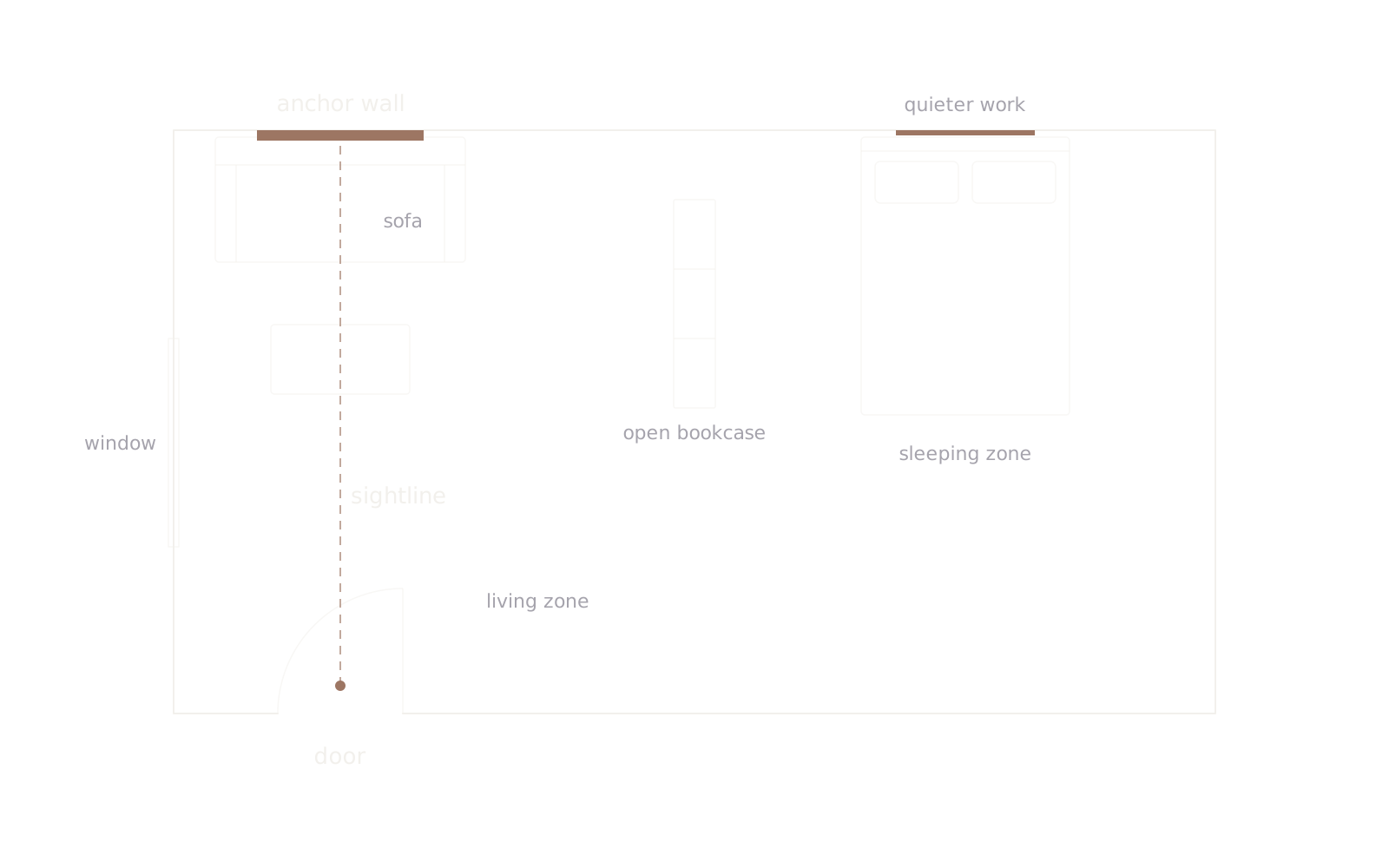
Figure 1תרשים 1Follow the sightline from the door: the wall it lands on is the anchor wall.עקבו אחרי קו המבט מהדלת: הקיר שהוא נוחת עליו הוא קיר העוגן.
דירות קטנות מפתות לחשוב בקטן: כמה מסגרות צנועות על כל קיר. האינסטינקט הזה הוא בדיוק מה שגורם לחלל קטן להרגיש עמוס. כך מתכננים דירת סטודיו או דירת שני חדרים, קיר אחרי קיר, וכך מחליטים מה לקחת כשעוברים לדירה קטנה יותר.
האם אמנות בדירה קטנה צריכה להיות קטנה?
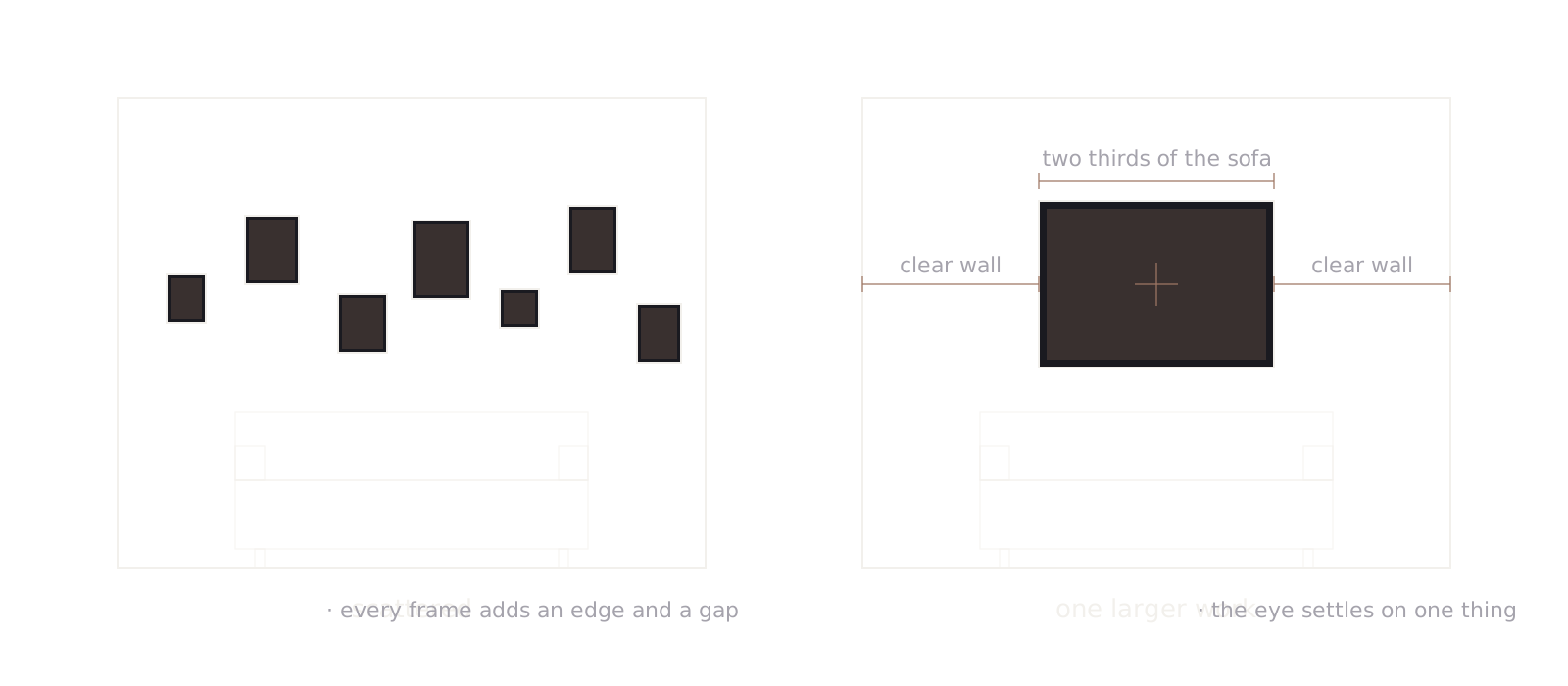
לא: עבודה אחת גדולה יותר גורמת בדרך כלל לדירה קטנה להרגיש רגועה יותר מכמה עבודות קטנות, כי העין נחה על דבר אחד במקום לקפוץ בין הרבה. כל מסגרת קטנה מוסיפה עוד קצה ועוד מרווח, ובחלל קומפקטי אלה מצטברים לעומס. כשהבחירה היא בין יצירה גדולה אחת לכמה קטנות, יצירה גדולה אחת היא כמעט תמיד התשובה החזקה יותר.
גדול יותר לא אומר גדול ככל שהקיר מרשה. התאימו את העבודה לקיר שלה ולמקום שממנו רואים אותה לראשונה, הרבה פעמים במרחק כמה צעדים בלבד, והשאירו קיר פנוי מכל צד, כדי שהקיר עדיין ייקרא כקיר.
תרשים 2אותו קיר פעמיים: כל מסגרת קטנה מוסיפה קצה ומרווח; עבודה אחת גדולה יותר נותנת לעין לנוח.
איזה קיר בא ראשון: המבט מהדלת
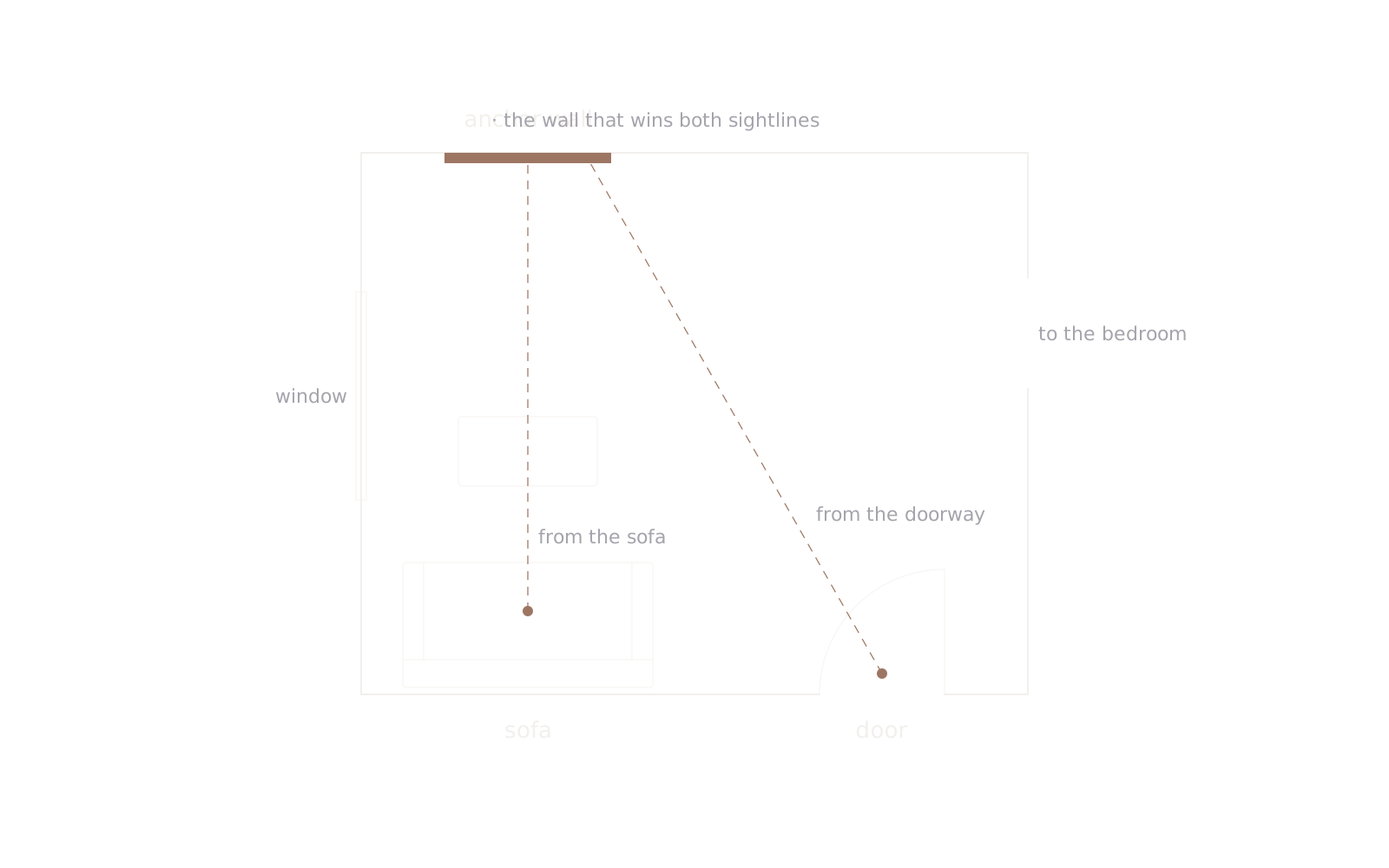
הקיר הראשון הוא הקיר שהעין פוגשת כשפותחים את דלת הכניסה, או הקיר שמולכם כשאתם יושבים על הספה; בדירה קטנה אלה הרבה פעמים אותו קיר. אני סוקרת את החלל ואת כיווני הראייה ומגדירה לפיהם את הקיר המרכזי. כדי לבדוק, עמדו בפתח הדלת הפתוחה ושימו לב לאן העין נוחתת, ואז הסתכלו שוב מהספה: הקיר שמנצח בשני קווי המבט הוא קיר העוגן שלכם.
תרשים 3בדקו מפתח הדלת ואז מהספה: הקיר שמנצח בשני קווי המבט הוא קיר העוגן.
בהרבה דירות בניו יורק נכנסים ישר אל חלל המגורים, כך שהמבט הראשון הזה עושה את רוב העבודה (העמוד אוצרת אמנות בניו יורק מראה איך אני מתחילה שם).
עוגן אחד לכל חלל, והשאר שקט
תנו לכל חלל עוגן אחד, ותנו לשאר הקירות להישאר שקטים, או חשופים: מהדורות, הדפסים, כמה עבודות קטנות על מדף, או כלום. קיר חשוף הוא מה שמאפשר לראות את העוגן.
טבלה 1איפה העוגן נמצא, חלל אחרי חלל
חלל
קיר העוגן
מה נושא את השאר
ממה להימנע
סטודיו, אזור המגורים
הקיר שנראה מהדלת, מאחורי הספה או מולה
מדף תמונות עם עבודות קטנות
מסגרות על כל קיר
סטודיו, אזור השינה
מאחורי ראש המיטה, עם עבודה שקטה יותר
עבודה קטנה אחת, או כלום
זכוכית כבדה או מדף תמונות מעל הכריות
דירת שני חדרים, אזור המגורים
הקיר שמנצח בשני קווי המבט
מהדורות והדפסים על הקירות הצדדיים
עבודה גדולה שנייה
חדר השינה
מאחורי המיטה או מולה, לפי החלל
זוג עבודות קטנות
קיר גלריה צפוף מעל המיטה
כניסה או מסדרון
הקיר שמול הדלת, אלא אם הוא כבר העוגן
עבודה אנכית צרה אחת
מסגרות עמוקות במסדרון צר
בדירה במנהטן מול קו הרקיע, בחרתי קולאז' דיגיטלי בפורמט גדול שיעגן את הבר שנבנה בדירה במיוחד; אהבת האירוח של הלקוח הובילה את הבחירה (ראו את עמוד הפרויקט). החליטו למה משמש כל חלל, ותנו לעבודה אחת לומר את זה.
איפה שמים אמנות בדירת סטודיו?
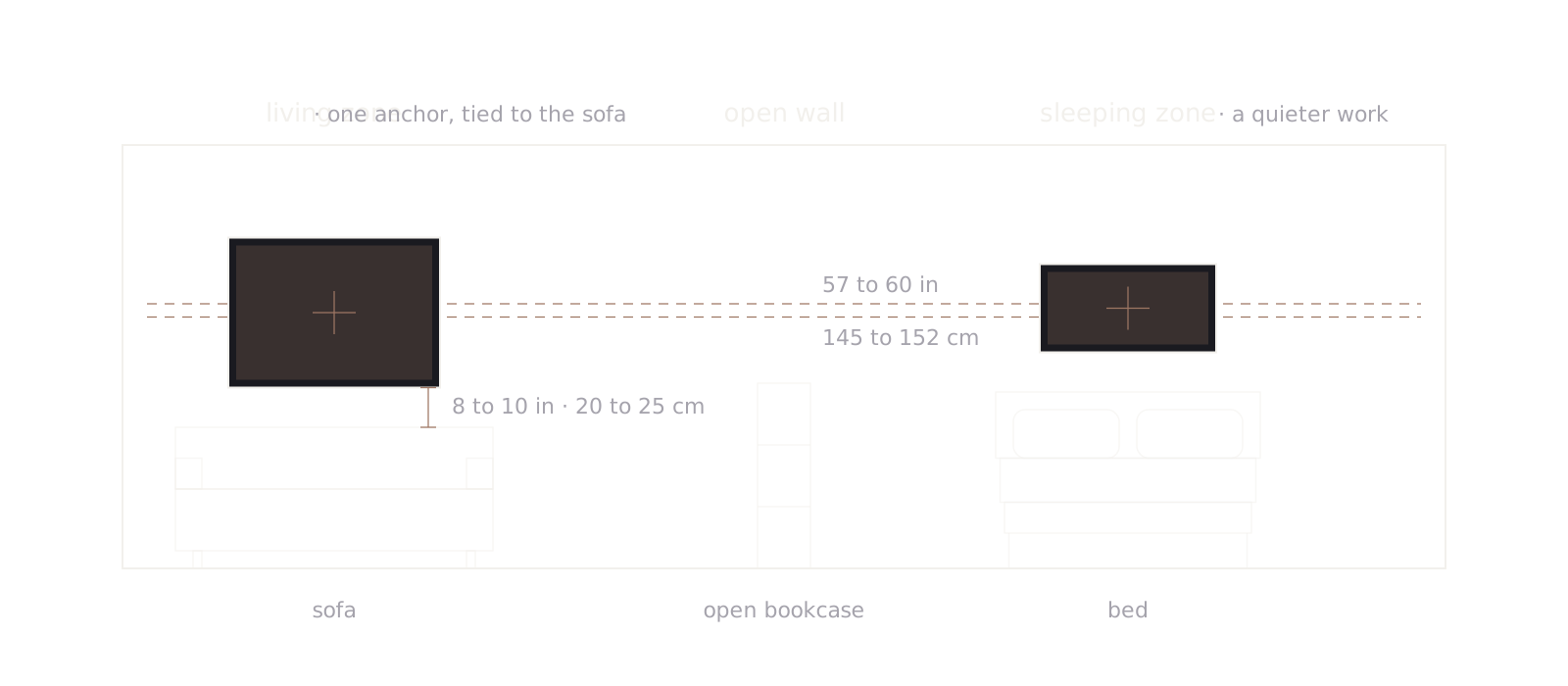
בסטודיו, האמנות הולכת למקום שבו היא מסמנת אזור: עוגן אחד לאזור המגורים, עבודה שקטה יותר לאזור השינה, וקיר פתוח ביניהם. כשאין קירות פנימיים, האמנות מראה איפה חלק אחד של היום נגמר והבא מתחיל, ולכן כדאי לשמור על אזור המיטה רך יותר, עם פחות ניגודיות.
קשרו כל אזור לרהיט שלו: עבודה מעל הספה, המיטה או השולחן שייכת לו, והצמד הזה הוא מה שמשרטט את האזור בחלל פתוח. כוננית ספרים פתוחה שמשמשת כמחיצה יכולה להחזיק עבודות קטנות משני צדדיה. כשזכוכית תופסת את רוב הקיר, העמוד אמנות לדירה בפרויקט חדש עוסק בפיסול ובחפצים.
תרשים 4קיר אחד, שני אזורים: העוגן שייך לספה, העבודה השקטה יותר למיטה, וקיר פתוח ביניהם.
גודל וגובה בחלל צפוף
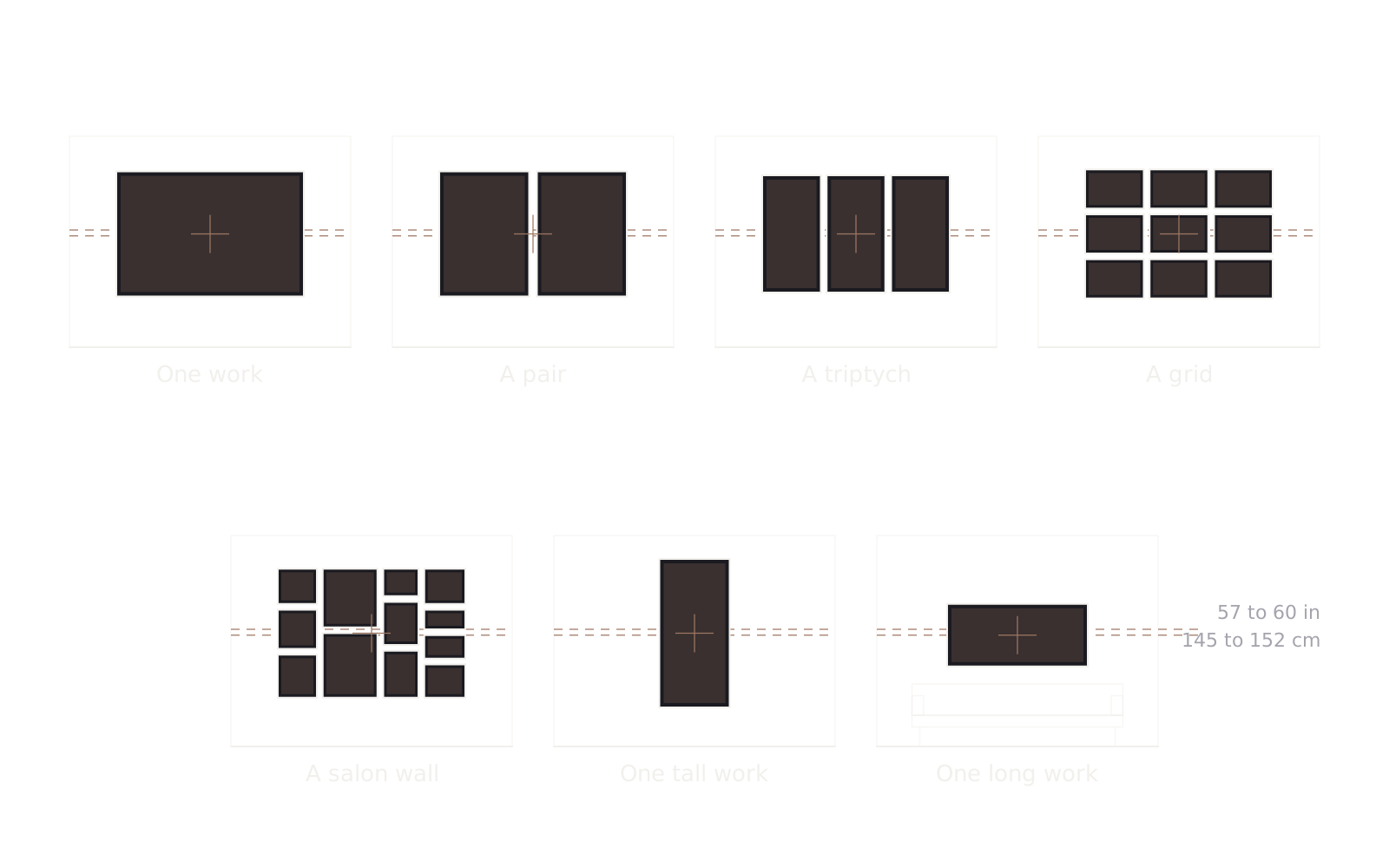
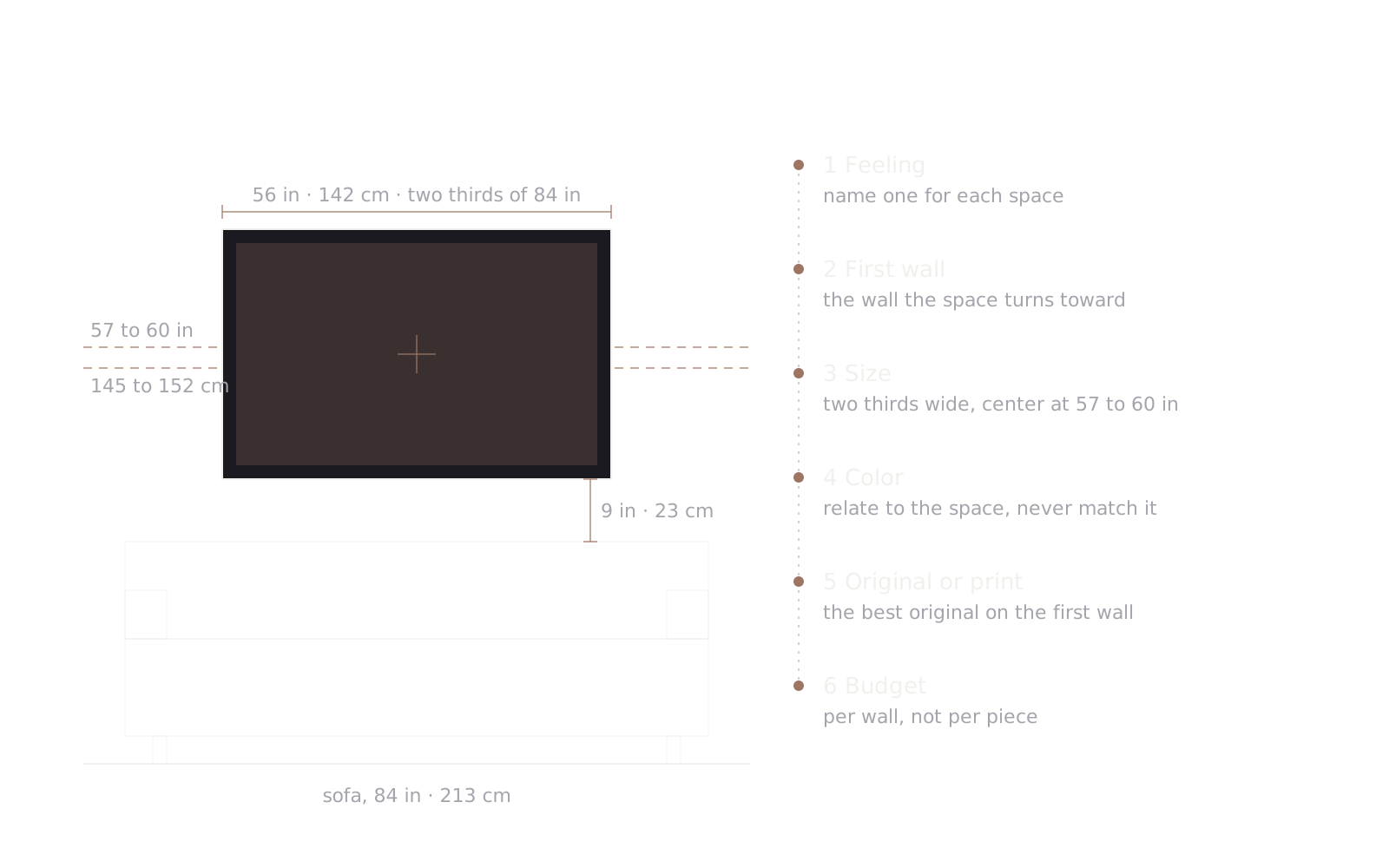
הגודל לא מתכווץ עם הדירה: מעל רהיט, עבודה פורשת על כשני שלישים מהרהיט שמתחתיה, והמדריך רעיונות לאמנות לקיר גדול מסביר כמה גדול ללכת על קיר חשוף. גם הגובה לא משתנה: המרכז יושב בגובה 57 עד 60 אינץ' (145 עד 152 ס״מ) מהרצפה, עם 8 עד 10 אינץ' (20 עד 25 ס״מ) בין גב הספה למסגרת, כפי שמוסבר במדריכים איך לתלות תמונות ואמנות מעל ספה.
תרשים 5מתחת לתקרה נמוכה, הרחיבו ולא הגביהו, והשאירו לפחות 12 אינץ' של קיר מעל המסגרת.
עבודות נשענות, מדפי תמונות ומדפים
אמנות שנשענת על קונסולה, על מדף עמוק או על מדף תמונות מתאימה לדירה קטנה: מעט חורים, החלפה קלה, ועבודה גדולה בלי להתחייב לקיר. קנבס גדול על קונסולה נראה מכוון כשהוא מונח ביציבות והוא העבודה היחידה על הקיר הזה. מדף תמונות עם שפה קדמית מתאים מעל ספה, 8 עד 10 אינץ' מעל הגב, עם מסגרות קלות וזיגוג אקרילי; מעל מיטה אני לא משתמשת במדף תמונות בכלל.
תרשים 6מדף תמונות מעל ספה, קנבס שנשען על קונסולה, ומעל מיטה, בלי מדף בכלל.
אם אתם שוכרים, בדקו את חוזה השכירות לפני שנכנס חור כלשהו; האפשרויות שלא משאירות סימנים מופיעות בפרק איך לתלות אמנות בלי מסמרים, ואני אף פעם לא משתמשת ברצועות הדבקה לעבודות מקוריות. קיר גלריה עובד בדירה קטנה כשתולים אותו כיחידה אחת סביב עוגן אחד: ראו את המדריך רעיונות לקיר גלריה.
צמצום: מה לשמור, למסור, למכור או לאחסן
כשעוברים לדירה קטנה יותר, שמרו את העבודות שאתם אוהבים ושיש להן קיר שמחכה להן, והחליטו על השאר עבודה אחר עבודה: למסור, למכור או לאחסן. התחילו מהתוכנית של הדירה החדשה, לא מהקירות הישנים: ספרו את הקירות שיכולים להחזיק עבודה, סמנו את הקיר שתראו מהדלת, ובחרו קודם את העבודה שלו.
טבלה 2צמצום: ארבע דרכים, ושאלה אחת לכל אחת
דרך
השאלה שכדאי לשאול
מי עוזר בדרך כלל
לשמור
אתם אוהבים אותה, ויש לה קיר?
ממסגר, אם היא צריכה מסגרת חדשה
למסור
מישהו במשפחה אוהב אותה עכשיו?
המשפחה; קודם שמאי, אם היא עשויה להיות בעלת ערך
למכור
הייתם קונים אותה שוב היום, וכמה היא שווה?
שמאי בלתי תלוי, ואחריו בית מכירות פומביות או סוחר אמנות
לאחסן
היא תחזור לקיר בתוך כמה שנים?
מחסן עם בקרת אקלים שמטפל באמנות
לפני שמוסרים או מוכרים משהו בעל ערך, כדאי להעריך אותו אצל שמאי ולאסוף את המסמכים שלו: חשבוניות, תעודות, מכתבים מהאמן או מהגלריה. העמוד איך מתחילים אוסף אמנות מסביר איך לשמור על התיעוד הזה. אחסנו רק מה שאתם מתכוונים לתלות שוב: אחסון שלא נגמר הוא דרך להחליט לא להחליט.
תרשים 7קודם מתכננים את הקירות החדשים, ואז כל עבודה אחרת מקבלת אחת מארבע דרכים.
מסגור מחדש ותלייה מחדש של מה ששומרים
העבודות ששומרים ראויות שיראו אותן מחדש: מסגרת חדשה, קיר חדש או שכנה חדשה. מסגרת כבדה שנבחרה לבית גדול יכולה להעמיס על חלל קטן, ומסגרת דקה יותר או פספרטו רחב יותר גורמים לעבודה מוכרת להיראות חדשה. תלו מחדש סביב העוגן החדש במקום להעתיק את הסידור הישן, ותכננו את התאורה לפני שתולים: מנורה אחת או תאורת תמונה אחת מכריעה הרבה פעמים אם העוגן עדיין נקרא בלילה.
כדאי לפנות לאוצרת כשהקירות מעטים וכל בחירה נראית: איזה קיר בא ראשון, איזו מהעבודות שלכם ראויה לו, מה להוסיף בקנה המידה הנכון. השאלה הראשונה שלי אף פעם לא עוסקת בסגנון; היא מה אתם רוצים להרגיש בבית. אחר כך אני מוצאת את העבודה, מנהלת משא ומתן בשמכם ומתקינה אותה עם הצוות שלי: ההתקנה היא חלק מהדרך שבה אני עובדת, לא שירות נפרד, לעבודות שאני בוחרת וממקמת.
ברוב המקרים אפשר גם לקנות את האמנות בפחות מאשר במכירה פומבית גדולה או דרך גלריה, כי אין לי אף אחת מהעלויות שמעלות את המחירים שלהן (העמוד כמה עולה יועצת אמנות מסביר למה). אני יושבת בטנפליי, ניו ג'רזי, ועובדת פנים אל פנים ברחבי העיר ניו יורק וניו ג'רזי, ובאופן מקוון עם לקוחות בכל מקום; ראו את העמוד אוצרת אמנות בניו יורק. כדי להעביר את החיפוש כולו לידיים אחרות, התחילו בעמוד למי פונים כדי לקבל עזרה בבחירת אמנות.
Small apartments tempt people to think small: a few modest frames on every wall. That instinct is what makes a small space feel busy. Here is how to plan a studio or a one bedroom wall by wall, and what to bring when you downsize.
Should art in a small apartment be small?
No: one larger work usually makes a small apartment feel calmer than several small ones, because the eye settles on one thing instead of hopping between many. Every small frame adds an edge and a gap, and in a compact space those add up to clutter. When the choice is between one large piece and several small ones, one large piece is almost always the stronger answer.
Larger does not mean as large as the wall allows. Size the work to its wall and to where you first see it from, often only a few steps away, and leave clear wall on every side so the wall still reads as a wall.
Figure 2The same wall twice: every small frame adds an edge and a gap; one larger work lets the eye settle.
Which wall comes first: the view from the door
The first wall is the one your eye meets as you open the front door, or the one you face from the sofa; in a small apartment they are often the same wall. I survey the space and its sightlines and define the main wall from them. To test it, stand in the open doorway and note where your eye lands, then look again from the sofa: the wall that wins both sightlines is your anchor wall.
Figure 3Test it from the doorway, then from the sofa: the wall that wins both sightlines is the anchor wall.
Many New York apartments open straight into the living space, so that first view does most of the work (the art curator in New York page shows how I start there).
One anchor per space, the rest quiet
Give each space one anchor and let the other walls stay quiet, or bare: editions, prints, a few small works on a shelf, or nothing. Bare wall is what lets the anchor be seen.
Table 1Where the anchor goes, space by space
Space
The anchor wall
What carries the rest
Avoid
Studio, living zone
Seen from the door, behind or facing the sofa
A ledge of small works
Frames on every wall
Studio, sleeping zone
Behind the headboard, with a quieter work
One small work, or nothing
Heavy glass or a ledge over the pillows
One bedroom, living area
The wall that wins both sightlines
Editions and prints on the side walls
A second large work
Bedroom
Behind the bed or facing it, depending on the space
A small pair of works
A crowded gallery wall over the bed
Entry or hall
The wall facing the door, unless it is already the anchor
One narrow vertical work
Deep frames in a tight hall
In a Manhattan skyline residence, I selected a large format digital collage to anchor the apartment's custom bar; the client's love of entertaining guided the selection (see the project page). Decide what each space is for, and let one work say it.
Where does art go in a studio apartment?
In a studio, art goes where it marks a zone: one anchor for the living zone, a quieter work for the sleeping zone, and open wall between them. With no internal walls, the art shows where one part of the day ends and the next begins, so keep the bed zone softer, with less contrast.
Tie each zone to its furniture: a work above the sofa, the bed or the table belongs to it, and that pairing draws the zone on an open floor. An open bookcase used as a divider can hold small works on both faces. Where glass takes most of the wall, art for a new condo covers sculpture and objects.
Figure 4One wall, two zones: the anchor belongs to the sofa, the quieter work to the bed, open wall between them.
Size and height in tight quarters
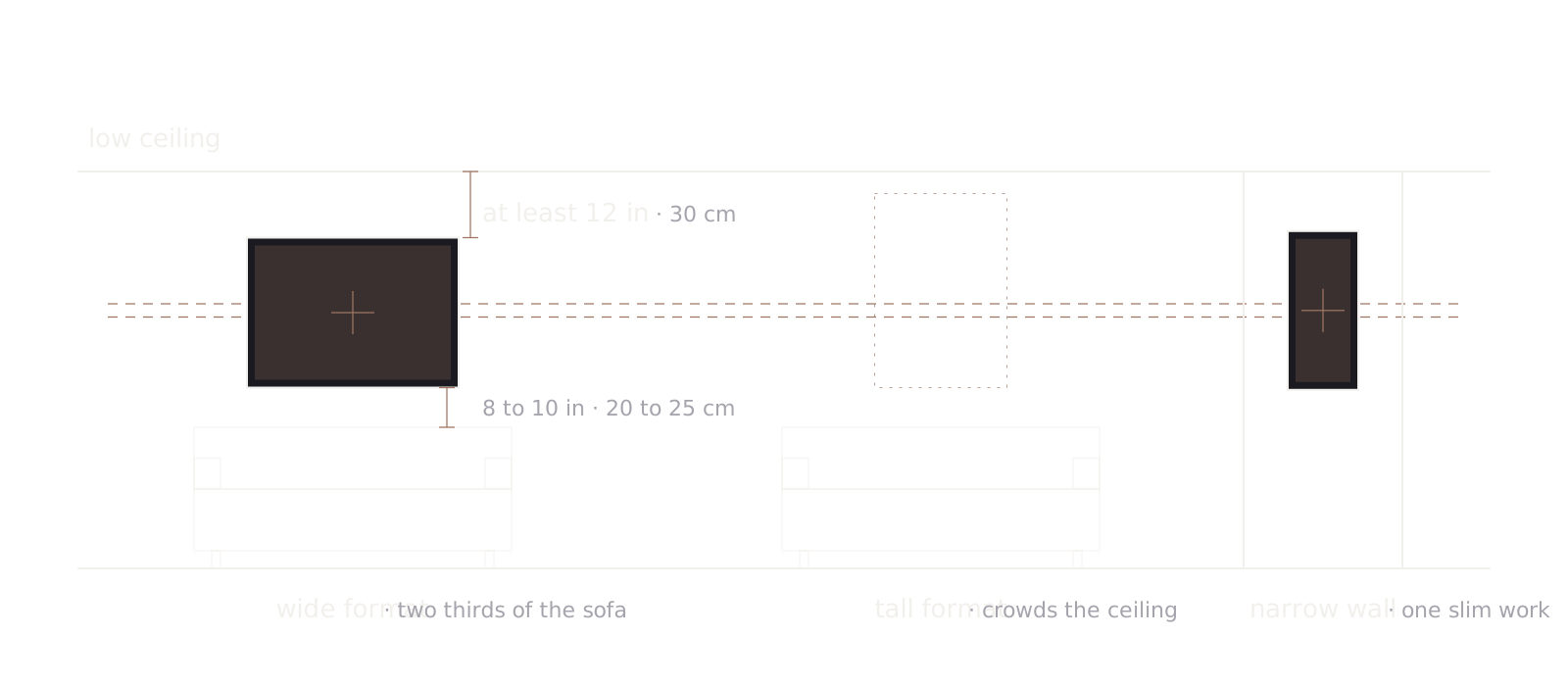
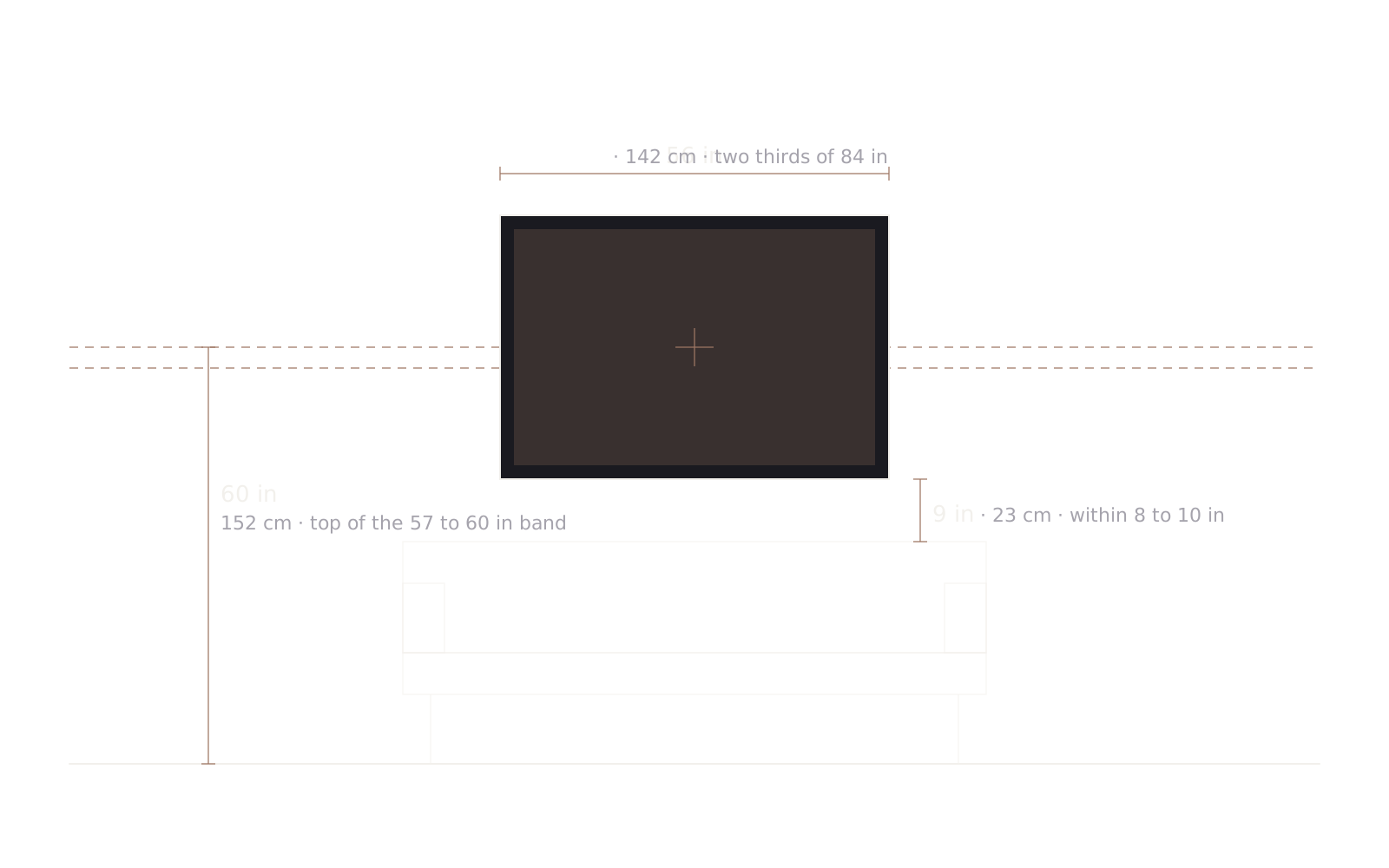
Size does not shrink with the apartment: above furniture, a work spans about two thirds of the furniture below it, and large wall art ideas covers how big to go on a bare wall. Height does not change either: the center sits 57 to 60 inches (145 to 152 cm) from the floor, with 8 to 10 inches (20 to 25 cm) between a sofa back and the frame, as how to hang pictures and art above a couch explain.
Figure 5Under a low ceiling, go wider, not taller, and keep at least 12 inches of wall above the frame.
Leaning, ledges and shelves
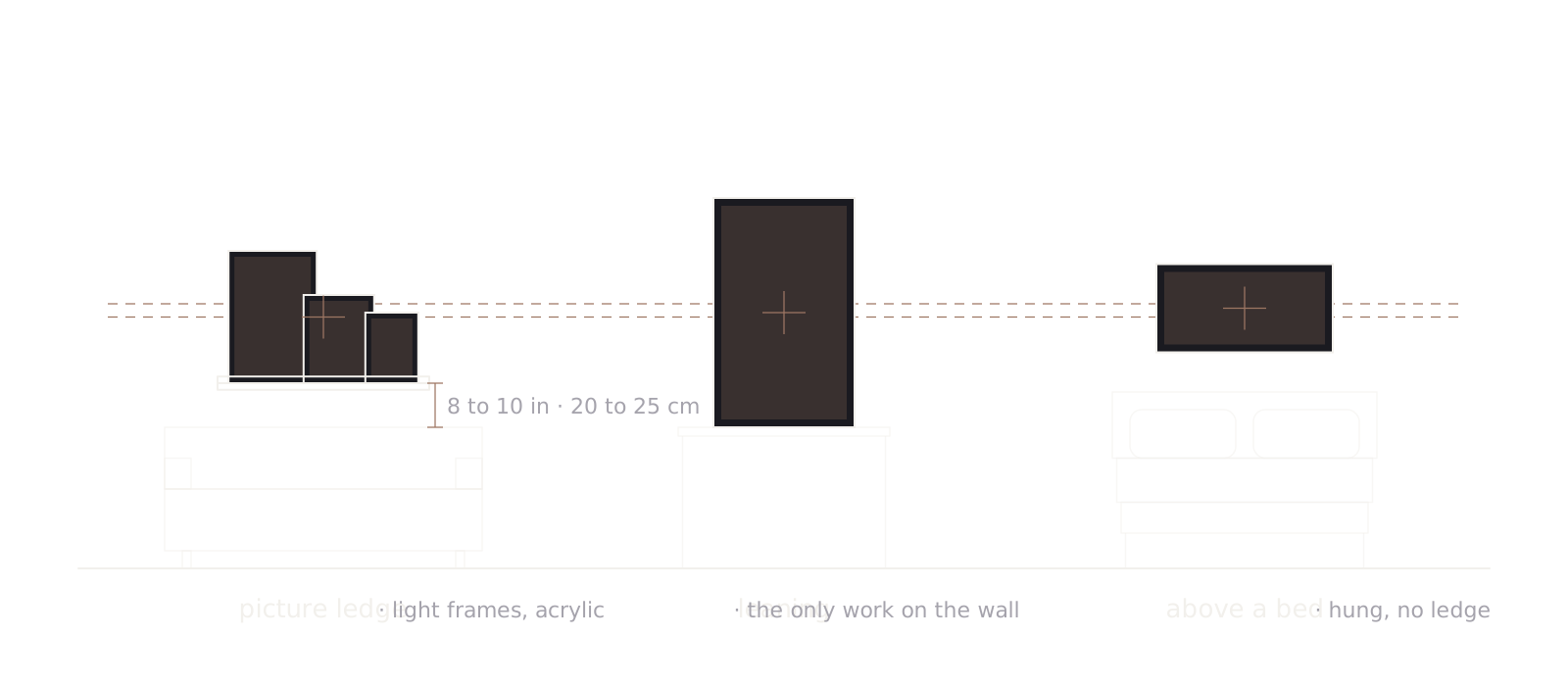
Leaning art on a console, a deep shelf or a picture ledge suits a small apartment: few holes, easy changes, and a large work without committing the wall. A large canvas on a console looks deliberate when it rests securely and is the only work on that wall. A ledge with a front lip works above a sofa, 8 to 10 inches above the back, with light frames glazed in acrylic; above a bed I do not use a ledge at all.
Figure 6A ledge above a sofa, a canvas leaning on a console, and above a bed, no ledge at all.
If you rent, check your lease before any hole goes in; the options that leave no marks are in how to hang art without nails, and I never use adhesive strips for original works. A gallery wall works in a small apartment when it is hung as one piece around one anchor: see gallery wall ideas.
Downsizing: what to keep, give, sell or store
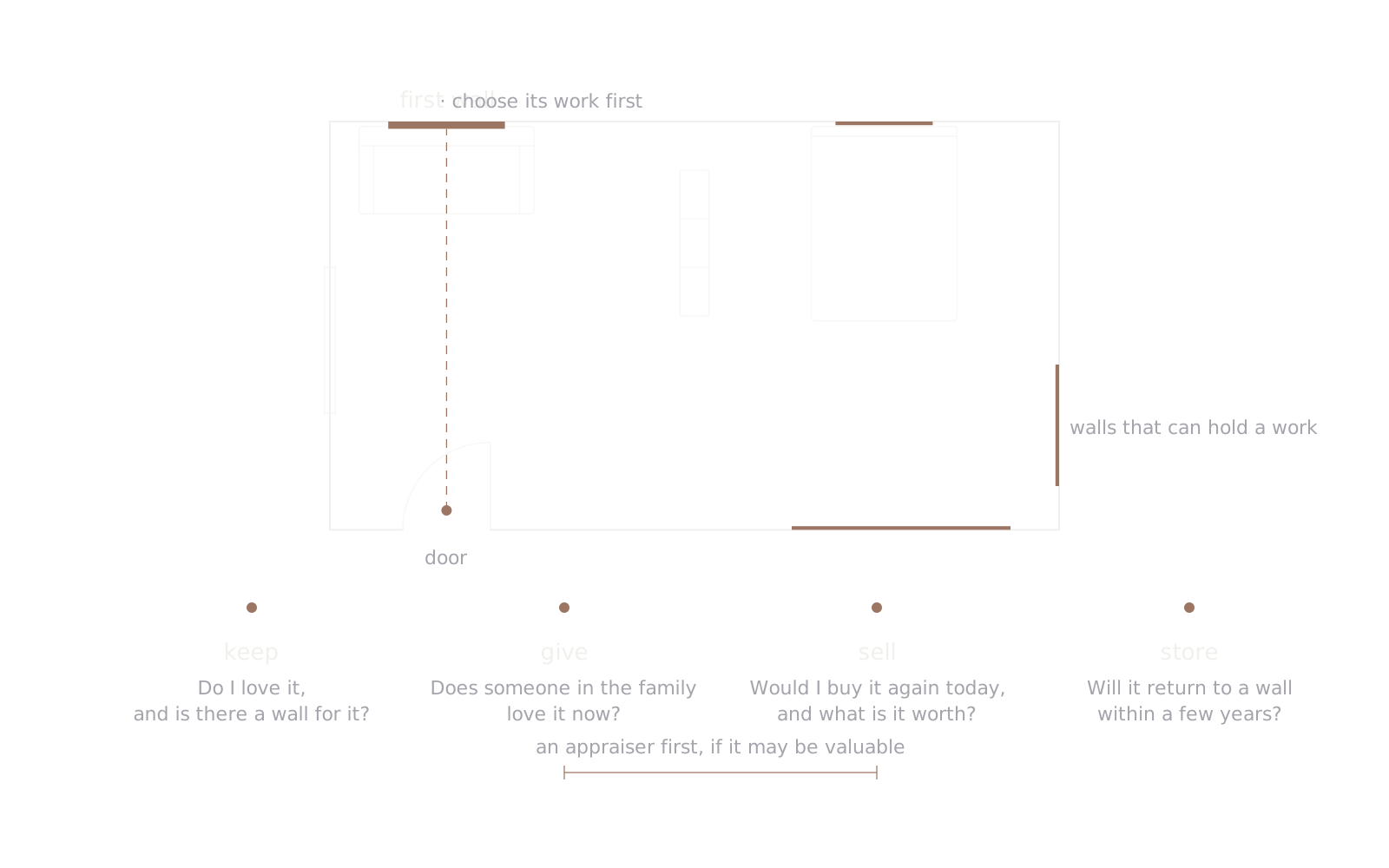
When you downsize, keep the works you love that have a wall waiting for them, and decide the rest one work at a time: give, sell or store. Start from the new floor plan, not the old walls: count the walls that can hold a work, mark the one you will see from the door, and choose its work first.
Table 2Downsizing: four routes, one question each
Route
The question to ask
Who usually helps
Keep
Do I love it, and is there a wall for it?
A framer, if it needs a new frame
Give
Does someone in the family love it now?
Family; an appraiser first, if it may be valuable
Sell
Would I buy it again today, and what is it worth?
An independent appraiser, then an auction house or a dealer
Store
Will it return to a wall within a few years?
Climate controlled storage that handles art
Before you give or sell anything of value, have it appraised and gather its paperwork: invoices, certificates, letters from the artist or the gallery. Starting an art collection explains how to keep those records. Store only what you mean to hang again: storage that never ends is a way of deciding not to decide.
Figure 7Plan the new walls first, then give every other work one of four routes.
Reframe and rehang what you keep
The works you keep deserve to be seen fresh: a new frame, a new wall or a new neighbor. A heavy frame chosen for a large house can crowd a small space, while a slimmer frame or a wider mat makes a familiar work look new. Rehang around the new anchor rather than copying the old layout, and plan the light before you hang: one lamp or picture light often decides whether the anchor still reads at night.
A curator is worth calling when the walls are few and every choice shows: which wall comes first, which of your works earns it, what to add at the right scale. My first question is never about style; it is what you want to feel at home. Then I find the work, negotiate on your behalf and install it with my own team: installation is part of how I work, not a separate service, for the works I place.
In most cases you can also buy the art for less than at a large auction or through a gallery, because I carry none of the costs that push their prices up (what an art advisor costs explains why). I am based in Tenafly, New Jersey, and work in person across New York City and New Jersey, and online with clients anywhere; see art curator in New York. To hand over the search entirely, start with who to call for help choosing art.
Questionsשאלות
Questions people askשאלות נפוצות
What art works in a small NYC apartment without making it feel cramped?איזו אמנות מתאימה לדירה קטנה בניו יורק בלי שהיא תרגיש צפופה?
Art that keeps a small NYC apartment from feeling cramped is fewer, larger works: one anchor per space, on the wall you see first from the door or the sofa, with quiet or bare walls around it. Leave clear wall around each work, stand a work on a picture ledge where holes are limited, and group small frames on one shelf instead of scattering them across every wall.אמנות ששומרת על דירה קטנה בניו יורק מלהרגיש צפופה היא מעט עבודות גדולות יותר: עוגן אחד לכל חלל, על הקיר שרואים ראשון מהדלת או מהספה, עם קירות שקטים או חשופים סביבו. השאירו קיר פנוי סביב כל עבודה, העמידו עבודה על מדף תמונות כשמספר החורים מוגבל, ורכזו מסגרות קטנות על מדף אחד במקום לפזר אותן על כל קיר.
I'm downsizing to a smaller apartment in Manhattan. What do I do with my art?אני עובר לדירה קטנה יותר במנהטן. מה אני עושה עם האמנות שלי?
Downsizing your art starts with the new floor plan: count the walls that can hold a work, choose the work for the wall you will see first from the door, then sort everything else into keep, give, sell or store. Keep what you love and have a wall for. Before you give or sell anything of value, have it appraised and gather its paperwork, and store only what you mean to hang again.צמצום של האמנות שלכם מתחיל מהתוכנית של הדירה החדשה: ספרו את הקירות שיכולים להחזיק עבודה, בחרו את העבודה לקיר שתראו ראשון מהדלת, ואז מיינו את כל השאר לשמור, למסור, למכור או לאחסן. שמרו את מה שאתם אוהבים ושיש לו קיר. לפני שמוסרים או מוכרים משהו בעל ערך, כדאי להעריך אותו אצל שמאי ולאסוף את המסמכים שלו, ולאחסן רק מה שאתם מתכוונים לתלות שוב.
Do mirrors make a small apartment look bigger than art?האם מראות גורמות לדירה קטנה להיראות גדולה יותר מאמנות?
Mirrors make a small apartment look bigger only where they reflect light or a view; opposite a blank wall they add nothing, and opposite a cluttered corner they double the clutter. Art does a different job: it gives the eye one place to rest. In a small space, put one mirror where it catches a window, often in the entry, and give the main wall to a work of art.מראות גורמות לדירה קטנה להיראות גדולה יותר רק במקום שבו הן משקפות אור או נוף; מול קיר ריק הן לא מוסיפות דבר, ומול פינה עמוסה הן מכפילות את העומס. לאמנות יש תפקיד אחר: היא נותנת לעין מקום אחד לנוח בו. בחלל קטן, שימו מראה אחת במקום שבו היא תופסת חלון, הרבה פעמים בכניסה, ותנו את הקיר המרכזי ליצירת אמנות.
What art works in an apartment with low ceilings?איזו אמנות מתאימה לדירה עם תקרות נמוכות?
Art for an apartment with low ceilings works best when it gets its size from width rather than height: above a sofa or a bed, a wide format fills the wall without crowding the ceiling. Keep the center near 57 to 60 inches (145 to 152 cm) from the floor, and leave at least 12 inches (30 cm) of wall above the frame. On a narrow wall with no furniture, one slim vertical work can lift the eye.אמנות לדירה עם תקרות נמוכות עובדת הכי טוב כשהיא מקבלת את הגודל שלה מהרוחב ולא מהגובה: מעל ספה או מיטה, פורמט רחב ממלא את הקיר בלי לדחוק את התקרה. שמרו את המרכז סביב 57 עד 60 אינץ' (145 עד 152 ס״מ) מהרצפה, והשאירו לפחות 12 אינץ' (30 ס״מ) של קיר מעל המסגרת. על קיר צר בלי רהיט, עבודה אנכית דקה אחת יכולה להרים את המבט.
Send me one photo of the wall, and a line about the space. I will tell you what I see.שלחו לי תמונה אחת של הקיר ושורה על החלל. אספר לכם מה אני רואה.
This browser has no email app set up, so nothing opened. Copy the address, or open it in your webmail.בדפדפן הזה לא מוגדרת תוכנת דואר, ולכן לא נפתח כלום. העתיקו את הכתובת, או פתחו אותה בדואר האינטרנטי שלכם.