How to light art at home and in the officeאיך להאיר אמנות בבית ובמשרד
How to light art comes down to one angle and one bulb: aim a ceiling spot or track light at the center of the work at about 30 degrees from vertical, and use a warm 2700 to 3000 K LED with a CRI of 90 or more, on a dimmer. Under a 9 foot ceiling that puts the light about 29.5 inches (75 cm) out from the wall, where reflections in the glass fall to the floor instead of into your eyes. Below: the setback for your ceiling, picture lights, how much light each medium can take, glare, and the office ceiling grid.איך להאיר אמנות מסתכם בזווית אחת ובנורה אחת: כוונו ספוט תקרה או ראש על מסילה אל מרכז העבודה בזווית של כ-30 מעלות מהאנך, והשתמשו בנורת לד בלבן חם של 2700 עד 3000 קלווין עם מדד מסירת צבע של 90 ומעלה, מחוברת לעמעם. מתחת לתקרה של 9 רגל זה מציב את האור כ-29.5 אינץ' (75 ס״מ) מהקיר, שם ההשתקפויות בזכוכית נופלות אל הרצפה ולא אל העיניים שלכם. בהמשך: המרחק לפי גובה התקרה שלכם, מנורות תמונה, כמה אור כל חומר יכול לקבל, סנוור, ורשת התקרה במשרד.
By Stav Theodor, art curator and advisor at THEODORA in Tenafly, New Jerseyמאת סתיו תאודור, אוצרת ויועצת אמנות ב-THEODORA בטנפליי, ניו ג'רזי
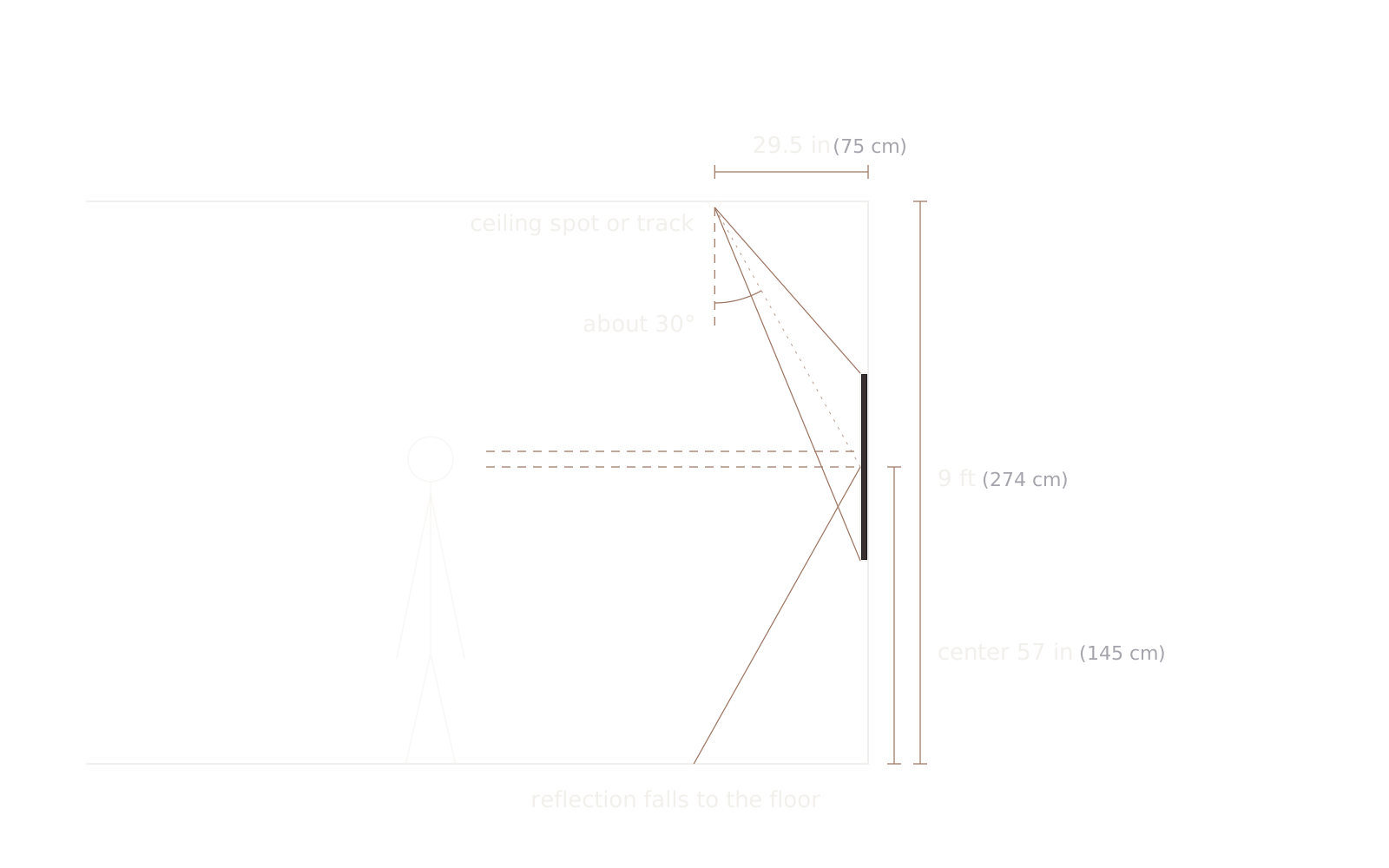
Figure 1תרשים 1Aim at the center of the work at about 30 degrees from vertical; the reflection drops to the floor.כוונו אל מרכז העבודה בזווית של כ-30 מעלות מהאנך; ההשתקפות יורדת אל הרצפה.
האור קובע אם עבודה נקראת כציור או כצורה כהה על הקיר. לכן אני מתכננת את התאורה לפני התלייה, לא אחריה: ספוט שנופל ליד העבודה קל יותר למנוע מאשר לתקן.
מהי הדרך הטובה ביותר להאיר אמנות?
הדרך הטובה ביותר להאיר אמנות היא בשתי שכבות: אור כללי רך לחלל, ואור הדגשה על העבודה עצמה, בהיר לפחות פי שלושה מסביבתו (מעבדת עיצוב התאורה בסיאטל), ובערך פי חמישה כברירת מחדל מקובלת. את הניגוד הזה משיגים בהנמכת האור סביב העבודה, לא בהוספת אור עליה.
30°מהאנך, זווית הכיוון של האור
2700 עד 3000קלוויןלבן חם
90מדדמסירת צבע ומעלה, כדי שהצבעים ייראו נכון
העבודה המרכזית, בדרך כלל קנבס, צריכה אור משלה עם עמעם. תנו לקירות האמנות שליטה נפרדת מהתאורה הכללית, כך שהעבודה עדיין נקראת כששאר החלל מעומעם לערב.
איפה ממקמים ספוט תקרה או מסילת תאורה?
ספוט תקרה או ראש על מסילה ממוקם במקום שבו האלומה פוגשת את מרכז העבודה בזווית של כ-30 מעלות מהאנך. ארקו, יצרנית התאורה הגרמנית, רואה ב-30 מעלות זווית אידיאלית לתמונות: היא מאירה את המשטח באופן אחיד ושולחת את ההשתקפויות בזכוכית אל הרצפה, ולא אל העיניים שלכם.
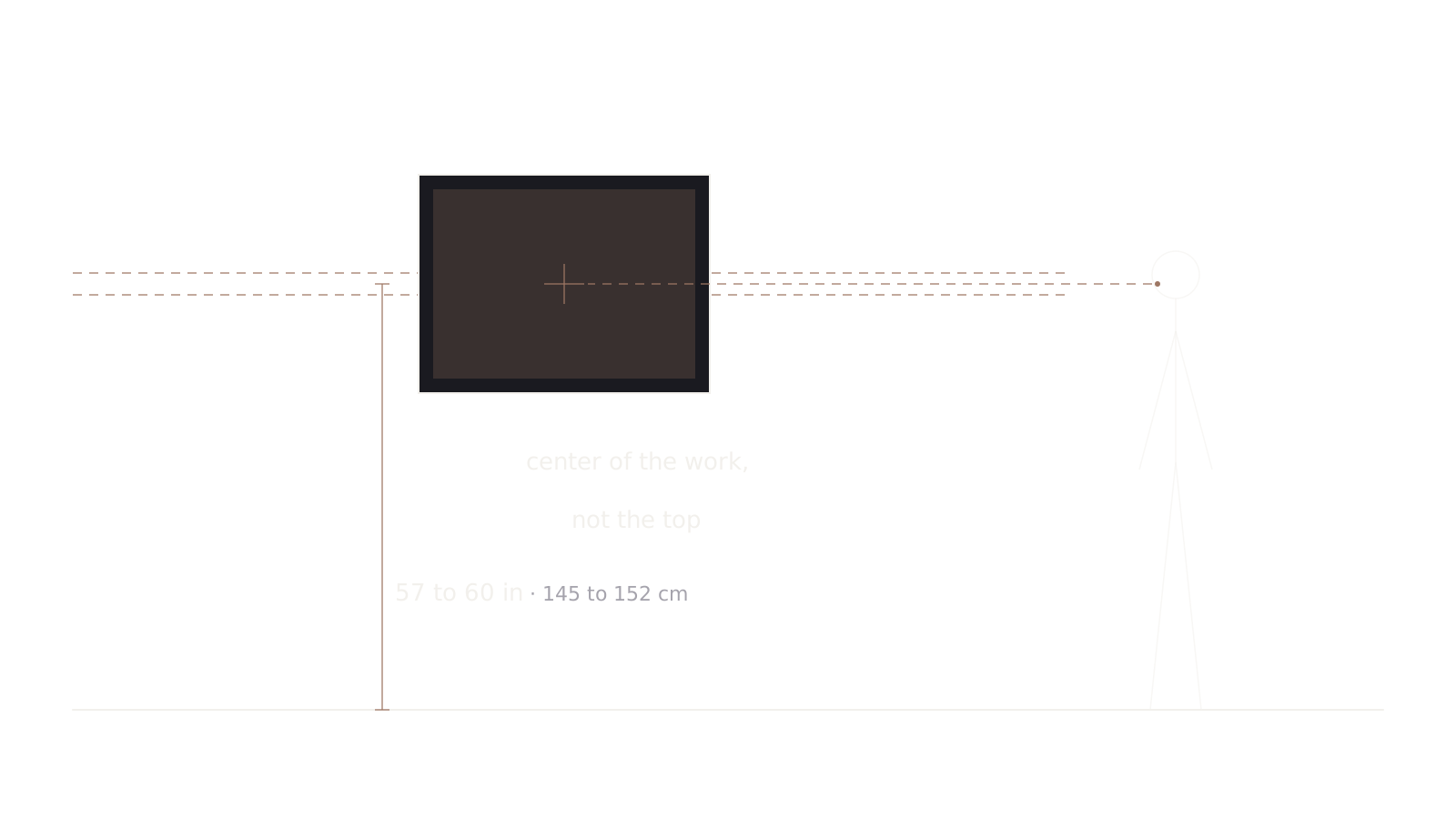
כדי למצוא את המקום, הפחיתו את גובה מרכז העבודה מגובה התקרה והכפילו ב-0.58. כשהמרכז בגובה 57 אינץ' (145 ס״מ), גובה התלייה המקובל שמוסבר במדריך לתליית תמונות, המרחק מהקיר הוא:
טבלה 1המרחק של ספוט תקרה מהקיר, מרכז העבודה בגובה 57 אינץ' (145 ס״מ)
גובה התקרה
מרחק הספוט מהקיר
8 רגל (244 ס״מ)
22.5 אינץ' (57 ס״מ)
9 רגל (274 ס״מ)
29.5 אינץ' (75 ס״מ)
10 רגל (305 ס״מ)
36.5 אינץ' (92 ס״מ)
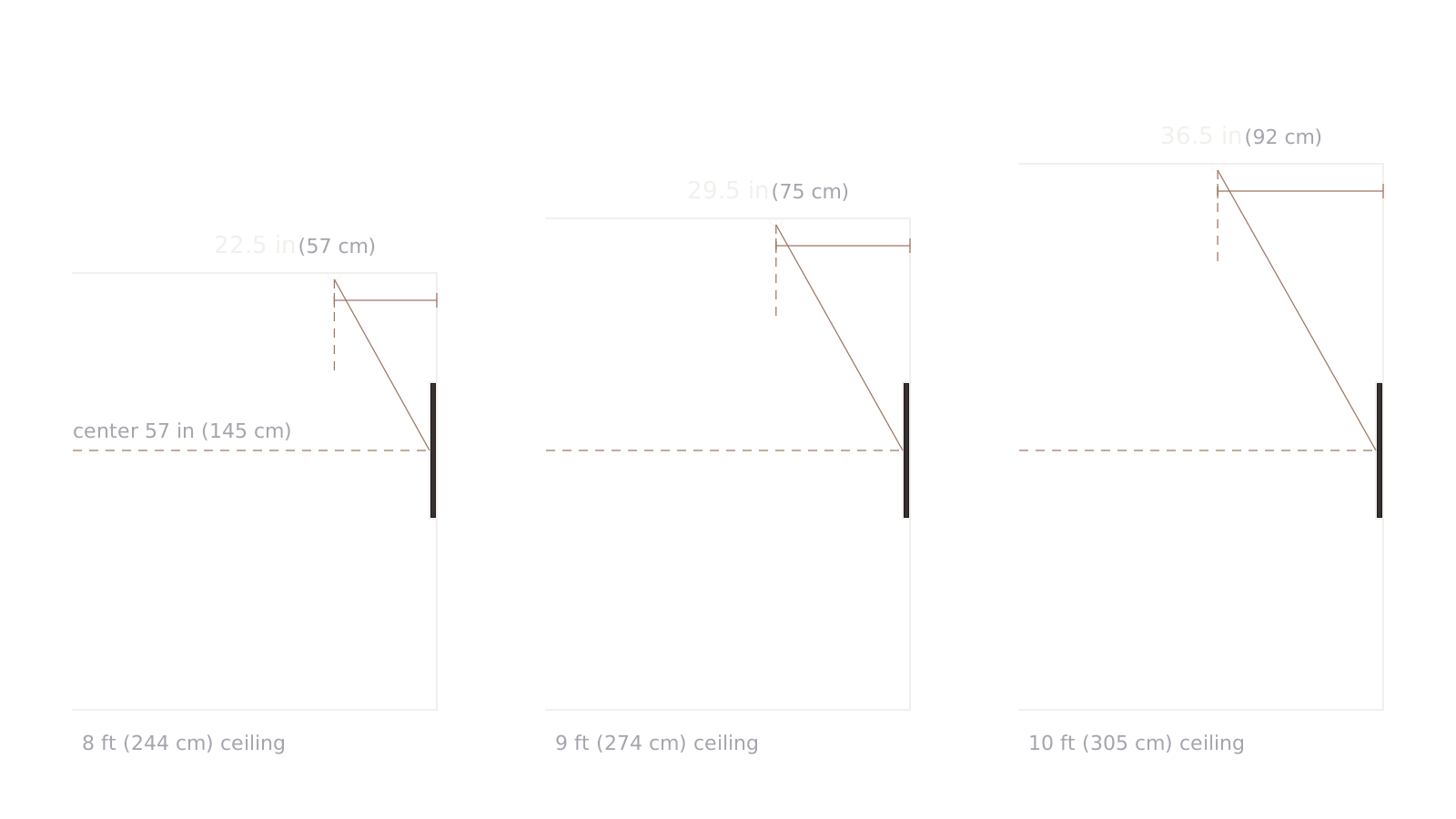
תרשים 2ככל שהתקרה גבוהה יותר, הספוט מתרחק יותר מהקיר.
קרוב יותר לקיר, המסגרת מטילה צל על החלק העליון של העבודה. רחוק יותר, ההשתקפות מטפסת אל עיניו של מי שעומד קרוב. על מסילה, מקמו את הראשים במרחק הזה וכוונו כל אחד אל מרכז העבודה שלו.
בדקו את האלומה מול הרוחב. מתחת לתקרה של 9 רגל האור עובר כ-59 אינץ' (150 ס״מ) עד העבודה: אלומה של 24 מעלות מאירה כתם ברוחב של כ-25 אינץ' (64 ס״מ), ואלומה של 36 מעלות כ-38 אינץ' (97 ס״מ). עבודה רחבה מכתם אחד צריכה שני ראשים או יותר, חופפים כך שלא ייראה תפר.
מנורת תמונה או ספוט תקרה?
מנורת תמונה מתאימה לעבודה ממוסגרת אחת בגודל בינוני על קיר שאין מעליו אור תקרה שאפשר לכוון, או לחלל קלאסי שבו גוף התאורה הוא חלק מהמראה. ספוט תקרה או מסילה מתאימים לעבודות גדולות, לקבוצות ולקירות שבהם האמנות תתחלף, כי ראש אפשר לכוון מחדש ומנורת תמונה לא זזה.
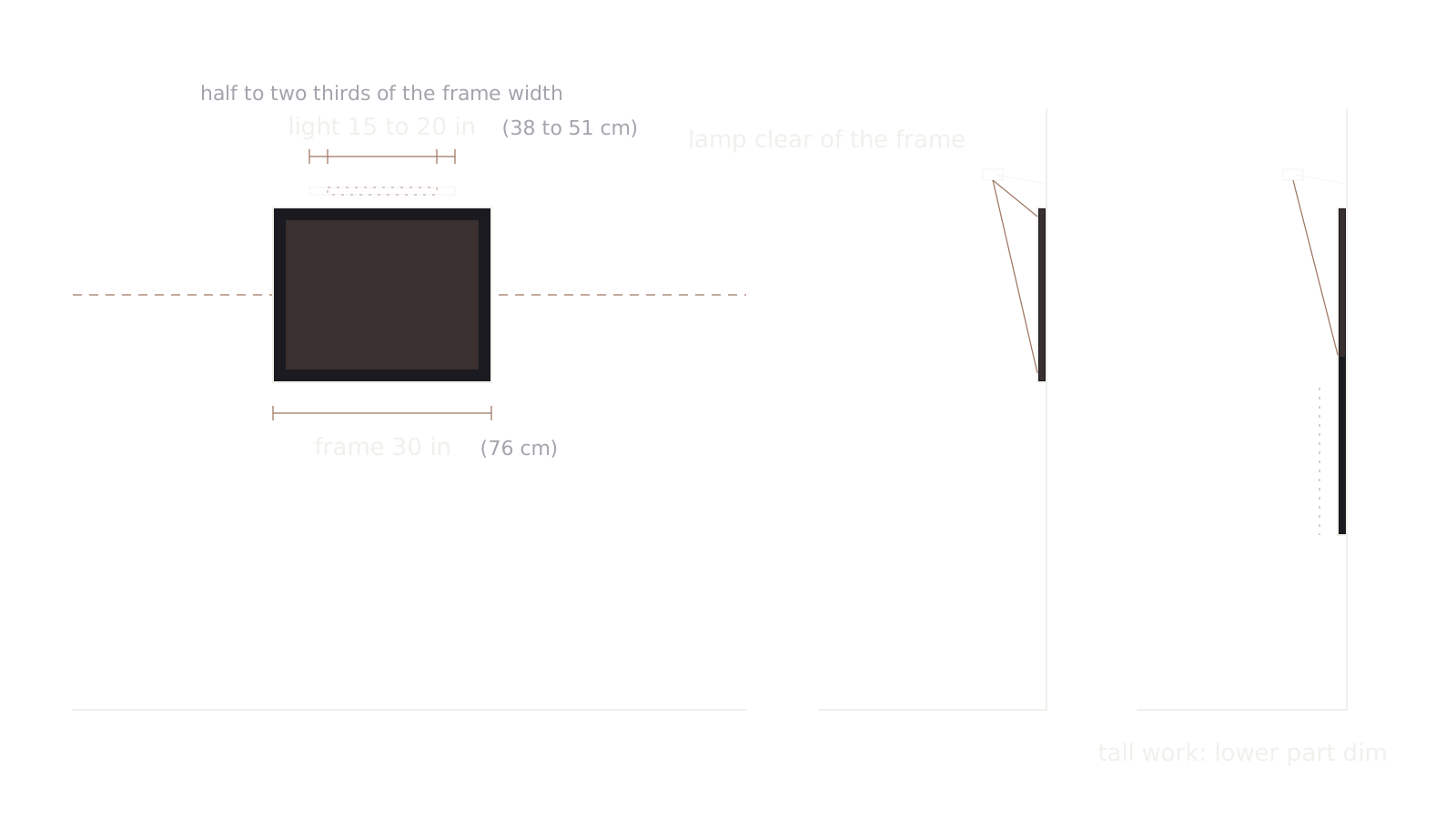
יצרני מנורות תמונה מתאימים את רוחב המנורה לחצי עד שני שלישים מרוחב המסגרת, כך שמסגרת של 30 אינץ' (76 ס״מ) מקבלת מנורה של 15 עד 20 אינץ' (38 עד 51 ס״מ). בחרו זרוע ארוכה מספיק כדי שהאור ירד לאורך פני העבודה, ולא רק על החלק העליון שלה, והרחיקו את הנורה מהמסגרת. בעבודה גבוהה מנורת תמונה משאירה את החלק התחתון עמום, ולכן האירו אותה מהתקרה. מנורת תמונה מחווטת צריכה קופסה בקיר, והכי קל להכין אותה כשהקירות עוד פתוחים (ראו תכנון אמנות בתוכניות הביצוע).
תרשים 3התאימו את מנורת התמונה לרוחב המסגרת, הרחיקו ממנה את הנורה, ולעבודה גבוהה בחרו ספוט תקרה.
איזו נורה: טמפרטורת צבע ומדד מסירת צבע
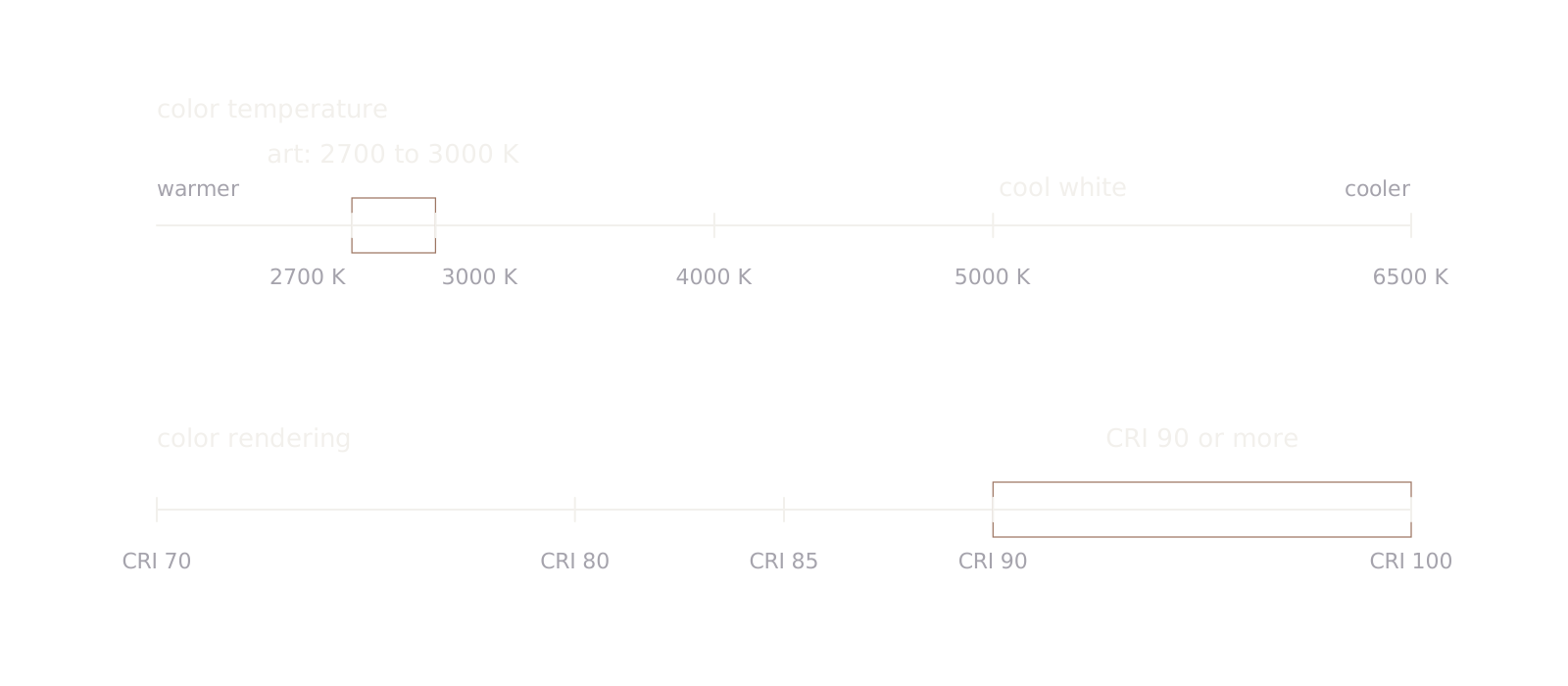
השתמשו בנורת לד בלבן חם, בין 2700 ל-3000 קלווין, עם מדד מסירת צבע של 90 ומעלה, וודאו שהיא ניתנת לעמעום. מוזיאונים שמשרד האנרגיה האמריקאי סקר ציינו 2700 ו-3000 קלווין כיעד ומדד מסירת צבע מעל 85; אותו מחקר מצא שפוטנציאל הנזק עולה ככל שהאור קר יותר.
תרשים 4לבן חם, 2700 עד 3000 קלווין, עם מדד מסירת צבע של 90 ומעלה.
שמרו על טמפרטורת צבע אחת לכל האורות על אותו קיר, אחרת הלבן של הקיר ייראה טלאים. עבודה נקראת אחרת ביום ובלילה, ולכן אני בודקת כל מיקום בחלל עצמו, באור יום ובתאורת הערב.
כמה אור עבודה יכולה לקבל?
נזק מאור מצטבר ואינו הפיך, ולכן הרמה הבטוחה תלויה בחומר. המרכז לשימור אמנות ופריטים היסטוריים בפילדלפיה קובע 50 לוקס כמקסימום לעבודות על נייר, צילומים וטקסטיל, ו-150 לוקס לציורי שמן. לשם השוואה, סלון בלילה הוא כ-50 לוקס, משרד כ-400, ושמש ישירה כ-30,000 (מרכז שימור המסמכים של צפון מזרח ארצות הברית).
טבלה 2כמה אור עבודה יכולה לקבל
חומר
מקסימום אור
מה לעשות
עבודות על נייר, צבעי מים, צילומים, טקסטיל
50 לוקס
בלי שמש ישירה, זכוכית מסננת אולטרה סגול, ומדי פעם מנוחה
ציורי שמן ואקריליק
150 לוקס
מחוץ לשמש הישירה, עם עמעם
אבן, מתכת, קרמיקה, זכוכית
רגישים הרבה פחות
תאורה לפי המראה, ועדיין מחוץ לשמש אם הם צבועים
מרכז שימור המסמכים של צפון מזרח ארצות הברית מקצה לעבודה רגישה כ-50,000 שעות לוקס בשנה. שמש ישירה מכלה את זה בפחות משעתיים. לכן הרחיקו צבעי מים, צילומים ועבודות על נייר מכל קיר שהשמש מגיעה אליו, מסגרו אותם מאחורי זכוכית או אקריליק מסננים אולטרה סגול, ותנו להם מדי פעם מנוחה. קרינת אולטרה סגול צריכה להישאר מתחת ל-75 מיקרוואט לכל לומן, ובאופן אידיאלי מתחת ל-10: בקשו את נתון האולטרה סגול של הנורה לפני שאתם קונים. לבתים עם קירות זכוכית, ראו מה אור חזק עושה לאמנות בדירה חדשה.
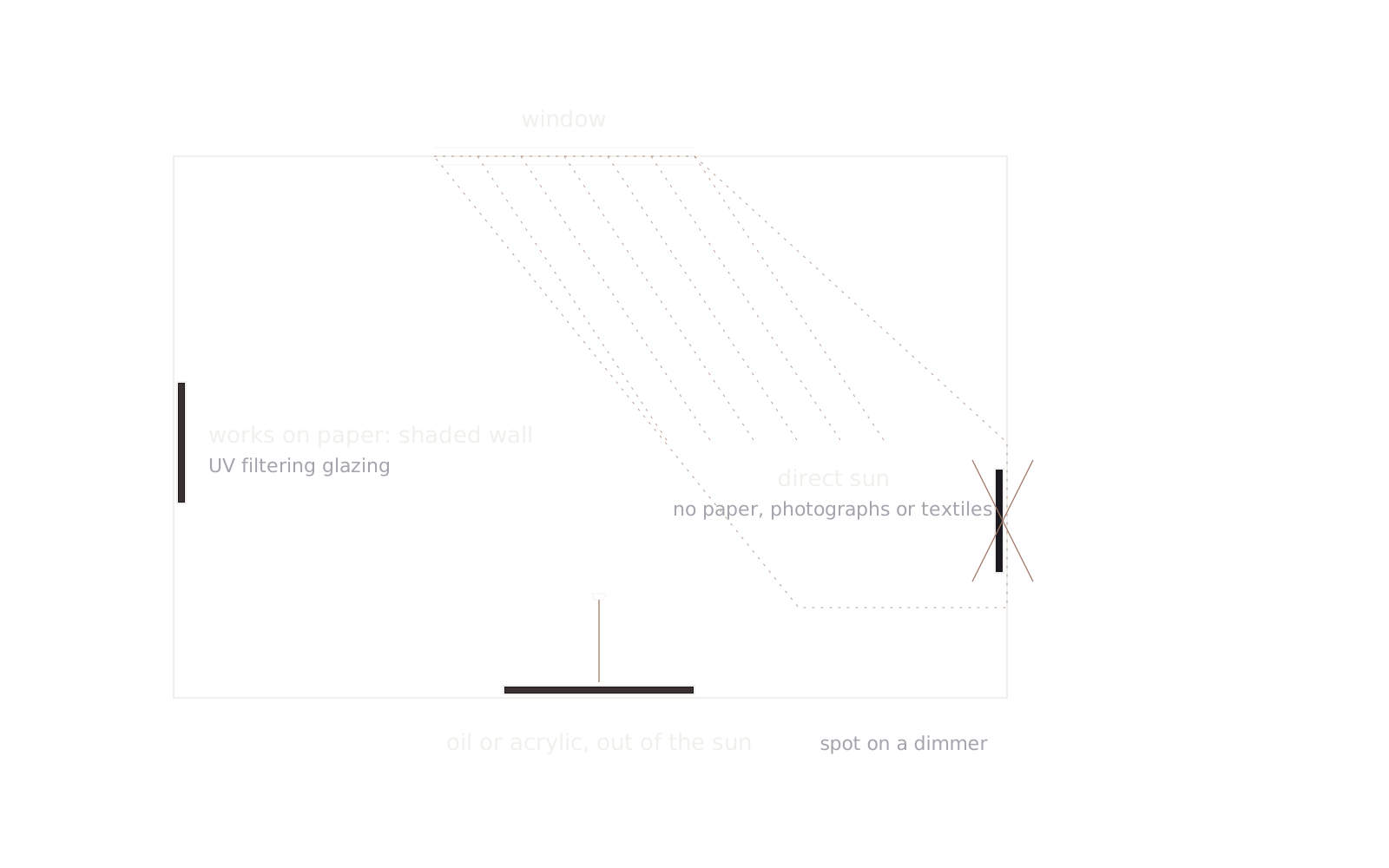
תרשים 5הרחיקו עבודות רגישות ממסלול השמש; מסגרו אותן מאחורי זכוכית מגינה, וחברו את תאורת האמנות לעמעם.
איך מונעים סנוור על הזכוכית?
סנוור על זכוכית נובע מזווית האור וממה שעומד מול העבודה. בזווית של כ-30 מעלות ההשתקפות של הספוט נופלת אל הרצפה; אור שממוקם רחוק מהקיר שולח אותה ישר אל עיניו של צופה עומד. הזזת הראש חזרה אל המרחק הנכון פותרת את זה.
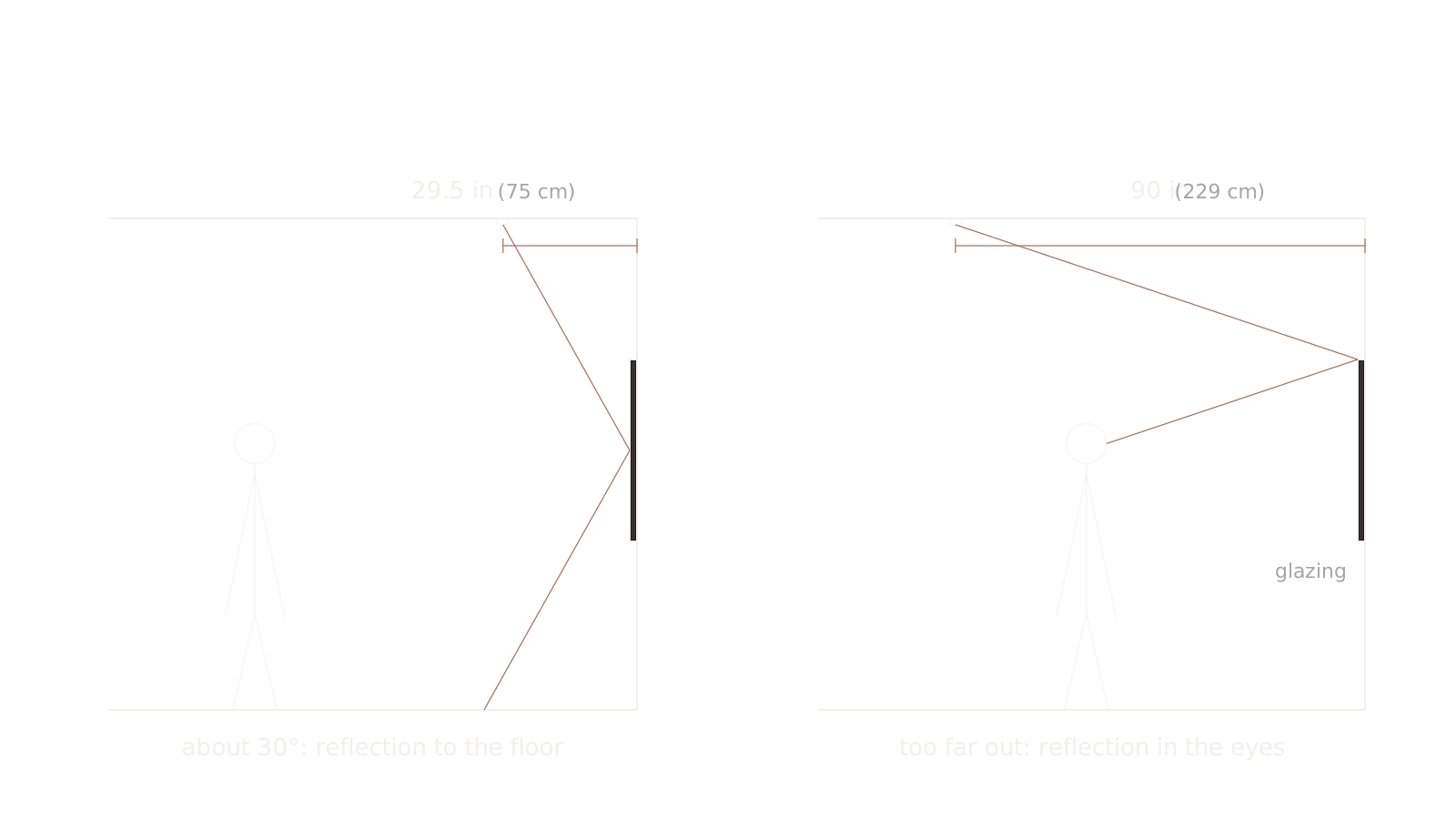
תרשים 6אור שממוקם רחוק מדי מהקיר שולח את ההשתקפות שלו אל עיני הצופה.
חלון או קיר זכוכית מואר מול העבודה משתקפים בזכוכית כל היום, ושום ספוט לא פותר את זה. מסגרו את העבודה הזו מאחורי זכוכית או אקריליק נגד השתקפות, או תלו שם עבודה ללא זכוכית. בבית באוהאוס בתל אביב, העבודה המרכזית היא עבודה דיגיטלית בטכניקת היפר קולאז' שהודפסה על אקריליק מבריק נגד השתקפות.
איך מאירים אמנות במשרד?
במשרד, האירו את האמנות מקו רשת התקרה הקרוב ביותר למרחק של 30 המעלות, עם מסילה או ספוטים מתכווננים במקום גופי התאורה הקבועים באריחים, וחברו את האמנות למעגל חשמל משלה. תקרה אקוסטית תלויה עובדת בדרך כלל על רשת של 24 אינץ' (61 ס״מ). מתחת לתקרה של 9 רגל המרחק הנכון הוא כ-29.5 אינץ', בין שני קווים: הקו שנמצא 24 אינץ' מהקיר מכוון בזווית של כ-25 מעלות, קרוב מספיק, והקו שנמצא 48 אינץ' מהקיר מכוון בכ-43 מעלות, שטוח מדי. בחרו בקו הקרוב יותר לקיר.
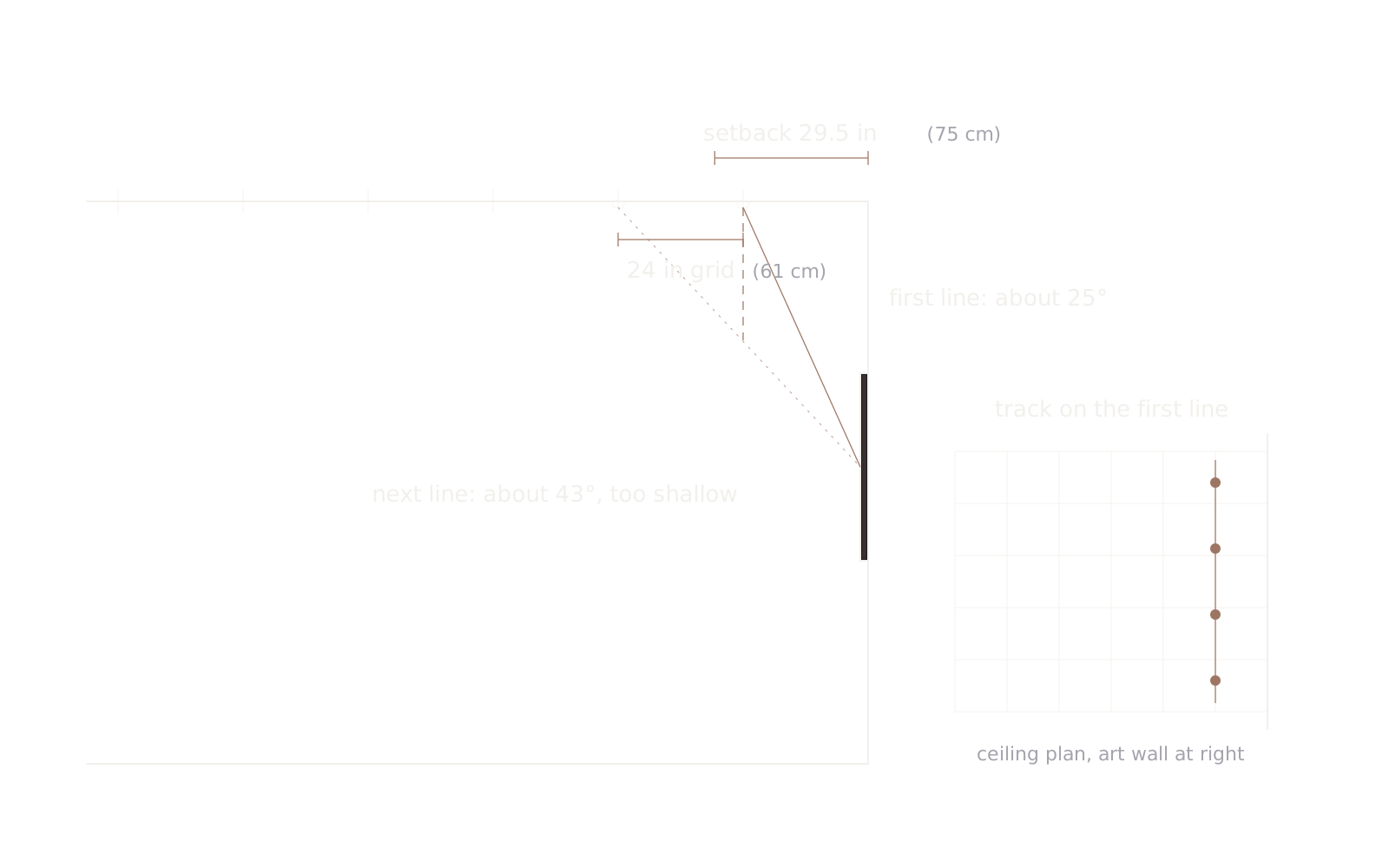
תרשים 7בתקרת רשת, בחרו את הקו הקרוב ביותר למרחק היעד, בדרך כלל הקו הראשון מהקיר.
משרד מואר בכ-400 לוקס, כך שאור הדגשה בהיר פי שלושה לא יכול להישאר בתוך מגבלה של 150 לוקס, ובוודאי לא של 50. על קיר בהיר במשרד פתוח הייתי תולה שמן, אקריליק, מתכת, קרמיקה או זכוכית, שומרת את העבודות על נייר והצילומים לחללים עם עמעום משלהם, כמו משרד פרטי או חלל ישיבות, ונותנת לניגוד של העבודה מול הקיר שלה לעשות חלק מהעבודה.
ספרו לחשמלאי או למעצב התאורה אילו קירות הם קירות אמנות לפני שתוכנית התקרה נסגרת. יש לי צוות התקנה משלי ואני מתקינה אחרי שעות העבודה, כך שהמשרד ממשיך לעבוד. לבחירת העבודה עצמה, ראו אמנות לקירות המשרד, ולאופן שבו אני עובדת עם חברות, אמנות למשרד או לעסק.
האור כחלק מהתוכנית
מסגור, התקנה ואור שייכים לתוכנית אחת, ואני מנהלת את ההפקה, המסגור וההתקנה עד שהעבודה על הקיר (ראו מסגור והתקנה של אמנות בקנה מידה גדול). אני פועלת מטנפליי, ניו ג'רזי, ועובדת עם לקוחות בכל מקום, פנים אל פנים או אונליין (ראו אוצרת אמנות בניו ג'רזי).
Light decides whether a work reads as a painting or as a dark shape on the wall. That is why I plan the lighting before the hanging, not after: a spot that lands beside the work is easier to prevent than to fix.
What is the best way to light art?
The best way to light art is in two layers: soft ambient light for the space, and an accent light on the work itself, at least three times brighter than its surroundings (Lighting Design Lab), and about five times as a common default. Get that contrast by lowering the light around the work, not by pushing more light onto it.
30°from vertical, the aim of the light
2700 to 3000Kwarm white
90CRIor more, so colors read true
The main work, usually a canvas, needs its own dimmable light. Give the art walls their own control, separate from the general lighting, so the work still reads when the rest of the space is dimmed for the evening.
Where should a ceiling spot or track light go?
A ceiling spot or track head goes where its beam meets the center of the work at about 30 degrees from vertical. ERCO, the German lighting maker, judges 30 degrees ideal for pictures: it lights the surface evenly and sends reflections in the glass down to the floor instead of into your eyes.
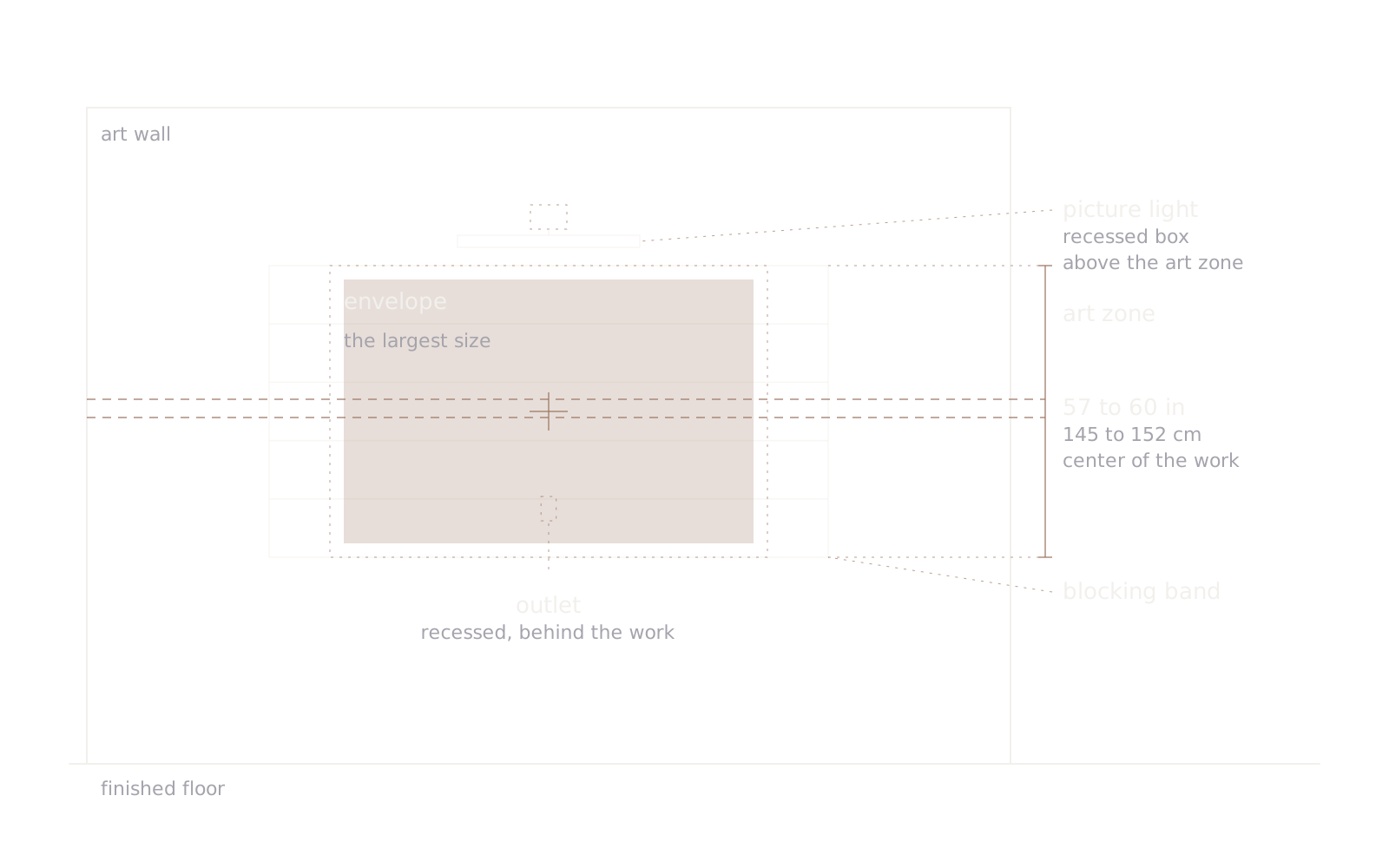
To find the spot, subtract the height of the work's center from the ceiling height and multiply by 0.58. With the center at 57 inches (145 cm), the usual hanging height explained in how to hang pictures, the setback from the wall is:
Table 1Setback for a ceiling spot, center of the work at 57 inches (145 cm)
Ceiling height
Spot from the wall
8 ft (244 cm)
22.5 in (57 cm)
9 ft (274 cm)
29.5 in (75 cm)
10 ft (305 cm)
36.5 in (92 cm)
Figure 2The higher the ceiling, the farther the spot moves out from the wall.
Closer to the wall than that, the frame throws a shadow across the top of the work. Farther out, the reflection climbs toward the eyes of anyone standing close. On a track, set the heads at the setback and aim each one at the center of its work.
Check the beam against the width. Under a 9 foot ceiling the light travels about 59 inches (150 cm) to the work: a 24 degree beam lights a patch about 25 inches (64 cm) wide, a 36 degree beam about 38 inches (97 cm). A work wider than one patch takes two or more heads, overlapping so no seam shows.
Picture light or ceiling spot?
A picture light suits one framed work of moderate size on a wall with no ceiling light to aim, or a traditional space where the fixture belongs to the look. A ceiling spot or track suits large works, groups, and walls where the art will change, because a head can be re-aimed and a picture light cannot move.
Picture light makers size the light at half to two thirds of the frame's width, so a 30 inch (76 cm) frame takes a light of 15 to 20 inches (38 to 51 cm). Choose an arm long enough to send the light down the face of the work, not only across its top, and keep the lamp clear of the frame. On a tall work a picture light leaves the lower part dim, so light it from the ceiling. A hardwired picture light needs a box in the wall, which is easiest while the walls are open (see planning art in construction drawings).
Figure 3Size the picture light from the frame, keep the lamp clear of it, and use a ceiling spot for a tall work.
Which bulb: color temperature and CRI
Use a warm white LED between 2700 and 3000 K, with a color rendering index (CRI) of 90 or more, and make sure it dims. Museums surveyed by the US Department of Energy named 2700 and 3000 K as their targets and a CRI above 85; the same study found that damage potential rises as light gets cooler.
Figure 4Warm white, 2700 to 3000 K, with a color rendering index of 90 or more.
Keep every light on one wall at the same color temperature, or the white of the wall will look patched. A work reads differently by day and by night, so I check every placement in the space itself, in daylight and under the evening lighting.
How much light can a work take?
Light damage adds up and never reverses, so the safe level depends on the medium. The Conservation Center for Art and Historic Artifacts sets 50 lux as the most for works on paper, photographs and textiles, and 150 lux for oil paintings. For scale, a living room at night is about 50 lux, an office about 400, and direct sun about 30,000 (Northeast Document Conservation Center).
Table 2How much light a work can take
Medium
Most light
What to do
Works on paper, watercolors, photographs, textiles
50 lux
No direct sun, UV filtering glazing, rest them now and then
Oil and acrylic paintings
150 lux
Out of direct sun, on a dimmer
Stone, metal, ceramic, glass
Far less sensitive
Light for the look, still out of the sun if painted
The Northeast Document Conservation Center gives a sensitive work about 50,000 lux hours a year. Direct sun spends that in under two hours. So keep watercolors, photographs and works on paper off any wall the sun reaches, frame them behind UV filtering glass or acrylic, and rest them now and then. Ultraviolet should stay under 75 microwatts per lumen and ideally under 10: ask for the lamp's UV figure before you buy. For homes with glass walls, see what strong light does to art in a new condo.
Figure 5Keep sensitive work out of the sun's path; glaze it, and put the art light on a dimmer.
How do you stop glare on glass?
Glare on glass comes from the angle of the light and from what faces the work. At about 30 degrees the reflection of the spot falls to the floor; a light set far out from the wall sends it straight into the eyes of a standing viewer. Moving the head back toward the setback fixes that.
Figure 6A light set too far out puts its reflection in the viewer's eyes.
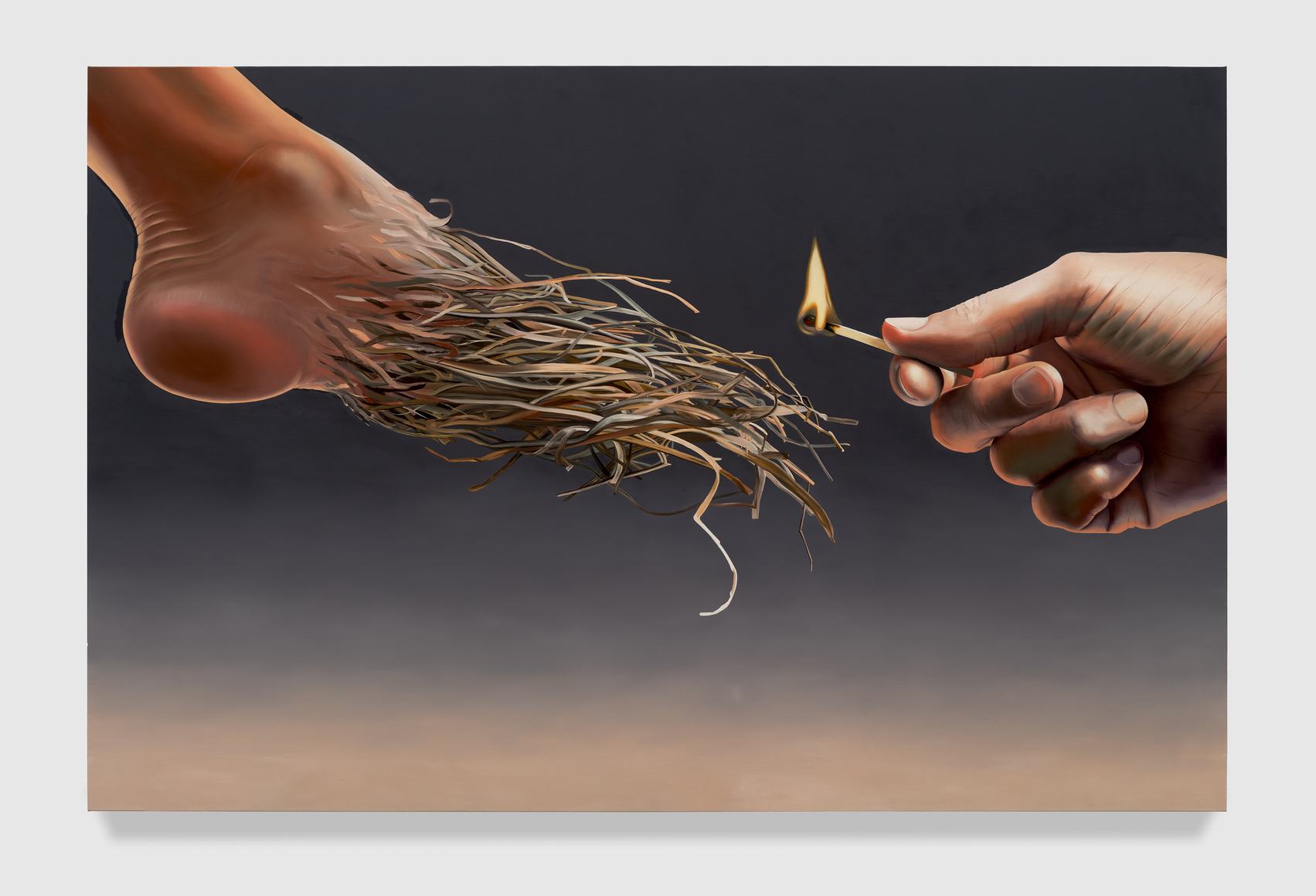
A window or a lit glass wall opposite the work mirrors in the glazing all day, and no spot fixes that. Frame that work behind anti reflective glass or acrylic, or hang an unglazed work there. In a Bauhaus residence in Tel Aviv, the central work is a hyper collage digital artwork printed on glossy anti reflective acrylic.
How do you light art in an office?
In an office, light the art from the ceiling grid line nearest the 30 degree setback, with adjustable track or spots rather than the fixed fittings in the tiles, and put the art on its own circuit. A suspended ceiling usually runs on a 24 inch (61 cm) grid. Under a 9 foot ceiling the setback is about 29.5 inches, between two lines: the line 24 inches from the wall aims at about 25 degrees, close enough, while the line at 48 inches aims at about 43 degrees, too shallow. Take the line nearer the wall.
Figure 7On a ceiling grid, take the line nearest the setback, usually the first one from the wall.
An office runs at about 400 lux, so an accent three times brighter cannot stay inside a 150 lux limit, let alone 50. On a bright open office wall I would hang oil, acrylic, metal, ceramic or glass, keep works on paper and photographs for spaces with their own dimming, such as a private office or a meeting space, and let a work's own contrast against its wall carry part of the job.
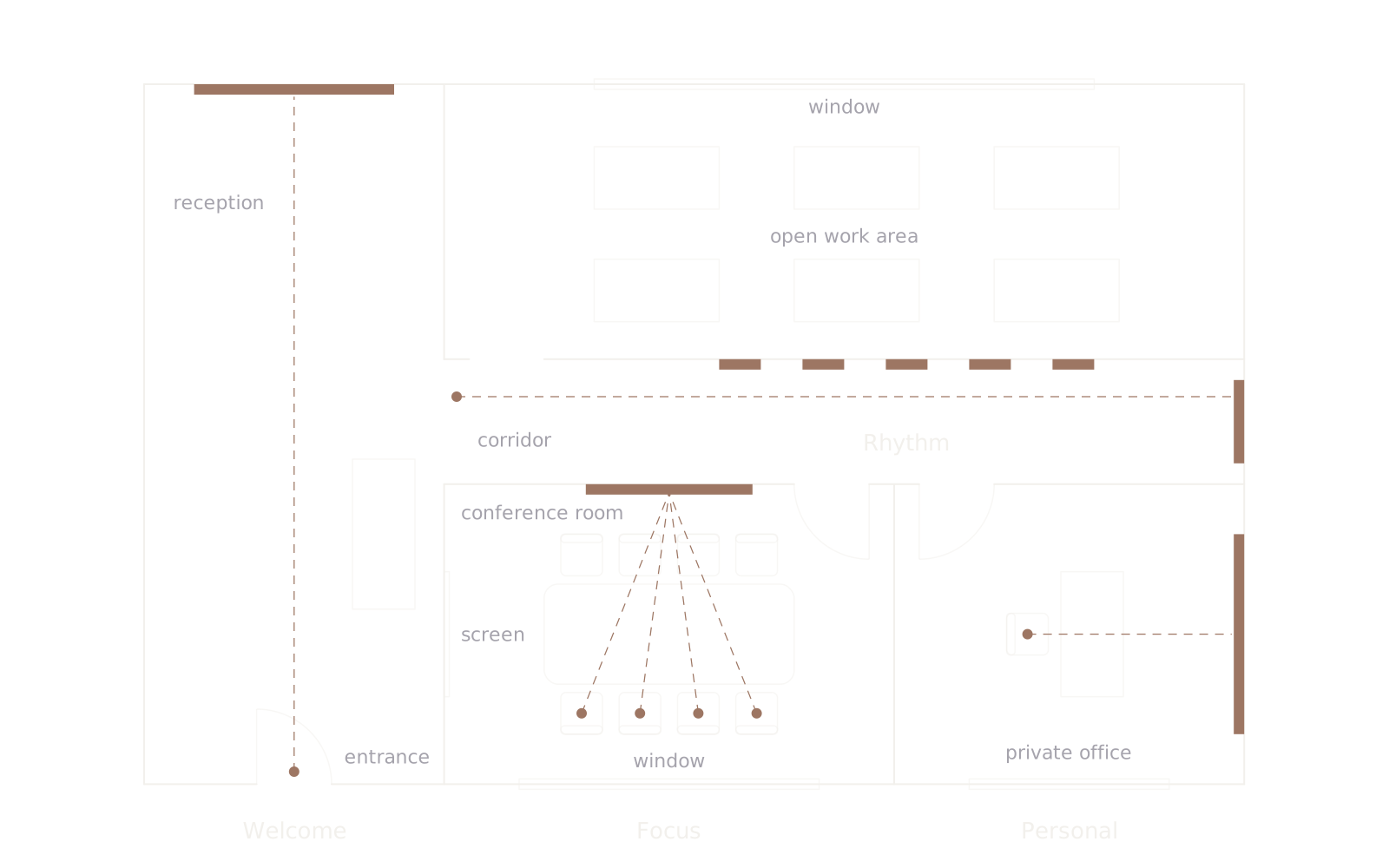
Tell the electrician or lighting designer which walls are art walls before the ceiling layout is fixed. I have my own installation team and install after hours, so the office keeps working. For choosing the work itself, see office wall art, and for how I work with companies, art for an office or business.
Light as part of the plan
Framing, installation and light belong to one plan, and I manage production, framing and installation through to the work on the wall (see framing and installing large scale art). I am based in Tenafly, New Jersey, and I work with clients anywhere, in person or online (see art curator in New Jersey).
Questionsשאלות
Questions people askשאלות נפוצות
What color temperature is best for lighting art?איזו טמפרטורת צבע הכי מתאימה להארת אמנות?
Warm white between 2700 and 3000 K suits most art. Museums surveyed by the US Department of Energy named 2700 and 3000 K as their targets, and warmer light carries less damage potential than cool light. Pair it with a color rendering index of 90 or more so colors read true, and keep every light on the same wall at one color temperature. I check the choice on the wall in daylight and in the evening, because the same work reads differently under each.לבן חם בין 2700 ל-3000 קלווין מתאים לרוב האמנות. מוזיאונים שמשרד האנרגיה האמריקאי סקר ציינו 2700 ו-3000 קלווין כיעד, ולאור חם יותר פוטנציאל נזק נמוך יותר מאשר לאור קר. שלבו אותו עם מדד מסירת צבע של 90 ומעלה כדי שהצבעים ייראו נכון, ושמרו על טמפרטורת צבע אחת לכל האורות על אותו קיר. אני בודקת את הבחירה על הקיר באור יום ובערב, כי אותה עבודה נקראת אחרת בכל אחד מהם.
How far from the wall should track lighting be for art?באיזה מרחק מהקיר צריכה להיות מסילת תאורה לאמנות?
Far enough that the beam meets the center of the work at about 30 degrees from vertical. Subtract the center height from the ceiling height and multiply by 0.58. With the center at 57 inches (145 cm), that is about 22.5 inches (57 cm) from the wall under an 8 foot ceiling, 29.5 inches (75 cm) under 9 feet and 36.5 inches (92 cm) under 10 feet. Closer, the frame casts a shadow; farther, the reflection moves toward the viewer's eyes.במרחק שבו האלומה פוגשת את מרכז העבודה בזווית של כ-30 מעלות מהאנך. הפחיתו את גובה המרכז מגובה התקרה והכפילו ב-0.58. כשהמרכז בגובה 57 אינץ' (145 ס״מ), זה כ-22.5 אינץ' (57 ס״מ) מהקיר מתחת לתקרה של 8 רגל, 29.5 אינץ' (75 ס״מ) מתחת ל-9 רגל ו-36.5 אינץ' (92 ס״מ) מתחת ל-10 רגל. קרוב יותר, המסגרת מטילה צל; רחוק יותר, ההשתקפות זזה אל עיני הצופה.
What size picture light do I need?באיזה גודל מנורת תמונה אני צריכה?
Picture light makers size the light at half to two thirds of the frame's width, so a 30 inch (76 cm) frame takes a light of about 15 to 20 inches (38 to 51 cm), with wider frames toward the larger end. A picture light lights the upper part of a work best, so for a tall canvas or a large work, a ceiling spot or several track heads give more even light.יצרני מנורות תמונה מתאימים את המנורה לחצי עד שני שלישים מרוחב המסגרת, כך שמסגרת של 30 אינץ' (76 ס״מ) מקבלת מנורה של כ-15 עד 20 אינץ' (38 עד 51 ס״מ), ומסגרות רחבות יותר נוטות לקצה הגדול. מנורת תמונה מאירה הכי טוב את החלק העליון של העבודה, ולכן לקנבס גבוה או לעבודה גדולה, ספוט תקרה או כמה ראשים על מסילה נותנים אור אחיד יותר.
Are LED lights safe for paintings?האם נורות לד בטוחות לציורים?
Museums have been moving their galleries to LED, but safe depends on the level, the hours and the lamp. Keep oil paintings at or under 150 lux and works on paper, photographs and textiles at or under 50, check the lamp's ultraviolet figure against the conservation limit of 75 microwatts per lumen, and put the light on a dimmer. Keep the lamp clear of the frame, and keep sensitive work out of direct sun, which is far stronger than any lamp.מוזיאונים מעבירים את האולמות שלהם לתאורת לד, אבל הבטיחות תלויה ברמת האור, בשעות ובנורה. שמרו על ציורי שמן ב-150 לוקס או פחות ועל עבודות על נייר, צילומים וטקסטיל ב-50 או פחות, בדקו את נתון האולטרה סגול של הנורה מול מגבלת השימור של 75 מיקרוואט לכל לומן, וחברו את האור לעמעם. הרחיקו את הנורה מהמסגרת, והרחיקו עבודות רגישות משמש ישירה, שחזקה הרבה יותר מכל נורה.
Should art lights be on a dimmer?האם כדאי לחבר את תאורת האמנות לעמעם?
Yes. A dimmer is how you hold a sensitive work at its light limit and how you keep the art readable when the rest of the space is low in the evening. The main work, usually a canvas, needs its own dimmable light, and the art walls work best on their own control, separate from the general lighting. Check that the LED lamp and the dimmer are rated to work together, or the light may flicker.כן. עמעם הוא הדרך לשמור עבודה רגישה בתוך מגבלת האור שלה, והדרך להשאיר את האמנות קריאה כששאר החלל מעומעם בערב. העבודה המרכזית, בדרך כלל קנבס, צריכה אור משלה עם עמעם, וקירות האמנות עובדים הכי טוב עם שליטה משלהם, נפרדת מהתאורה הכללית. ודאו שנורת הלד והעמעם מתאימים זה לזה, אחרת האור עלול להבהב.
Send me one photo of the wall, and a line about the space. I will tell you what I see.שלחו לי תמונה אחת של הקיר ושורה על החלל. אספר לכם מה אני רואה.
This browser has no email app set up, so nothing opened. Copy the address, or open it in your webmail.בדפדפן הזה לא מוגדרת תוכנת דואר, ולכן לא נפתח כלום. העתיקו את הכתובת, או פתחו אותה בדואר האינטרנטי שלכם.