Entryway and hallway art: what to hang where people passאמנות למבואה ולמסדרון: מה לתלות במקום שבו עוברים
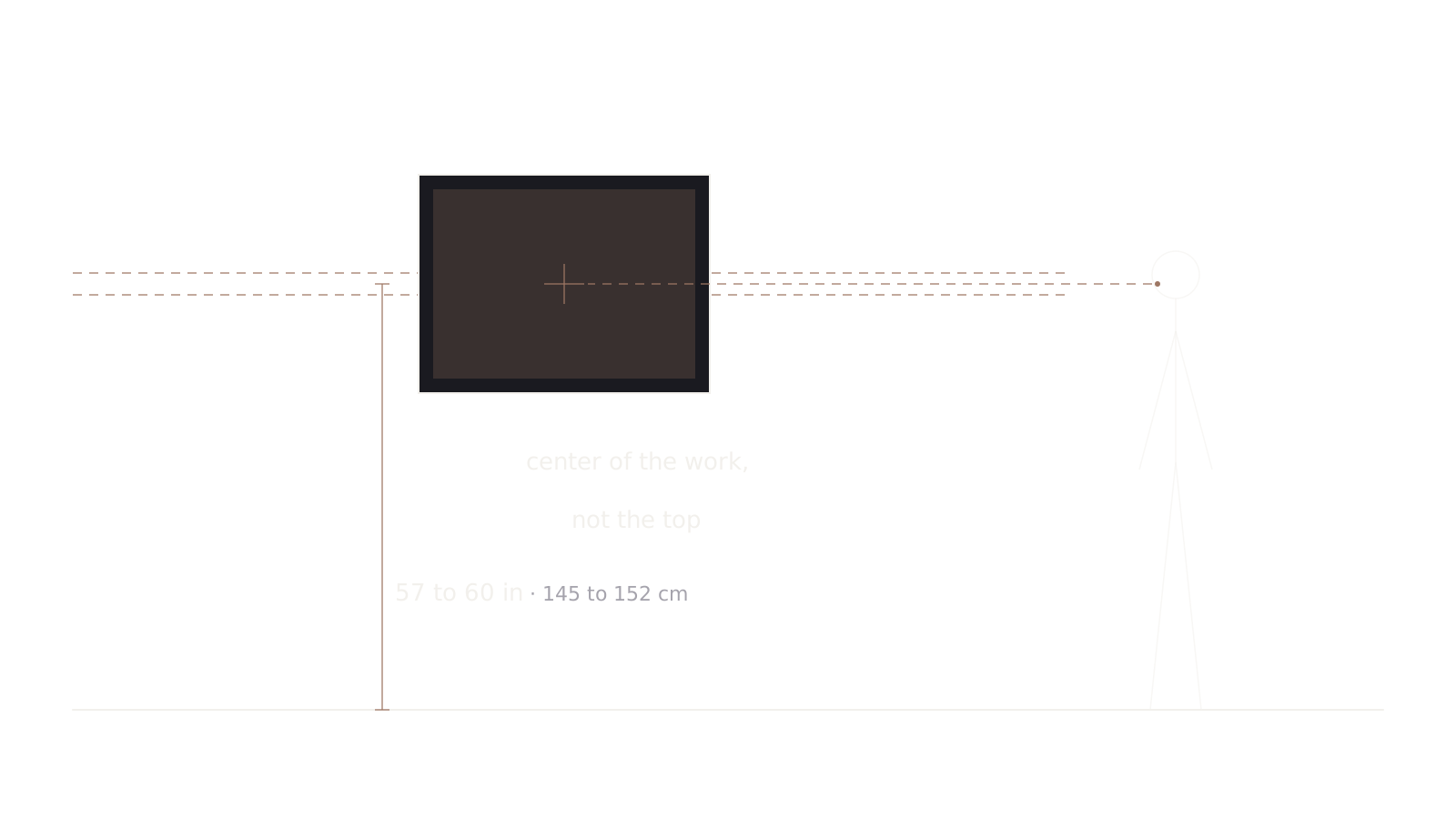
Entryway art is the first work a guest sees and the last one they remember, so it needs presence, fast: one strong work or a matched pair, sized to the wall, facing or beside the door. Hang it with its center 57 to 60 inches (145 to 152 cm) from the floor, 6 to 10 inches (15 to 25 cm) above a console. Hallways and stairs, seen in motion, want a rhythm of works instead.האמנות במבואה היא העבודה הראשונה שאורח רואה והאחרונה שהוא זוכר, ולכן היא צריכה נוכחות, ומהר: עבודה חזקה אחת או זוג תואם, בגודל שמתאים לקיר, מול הדלת או לצידה. תלו אותה כך שהמרכז שלה יהיה בגובה 57 עד 60 אינץ' (145 עד 152 ס״מ) מהרצפה, 6 עד 10 אינץ' (15 עד 25 ס״מ) מעל קונסולה. מסדרונות ומדרגות, שרואים בתנועה, צריכים במקום זה קצב של עבודות.
By Stav Theodor, art curator and advisor, THEODORAמאת סתיו תאודור, אוצרת ויועצת אמנות, THEODORA
Beforeלפני
Afterאחרי
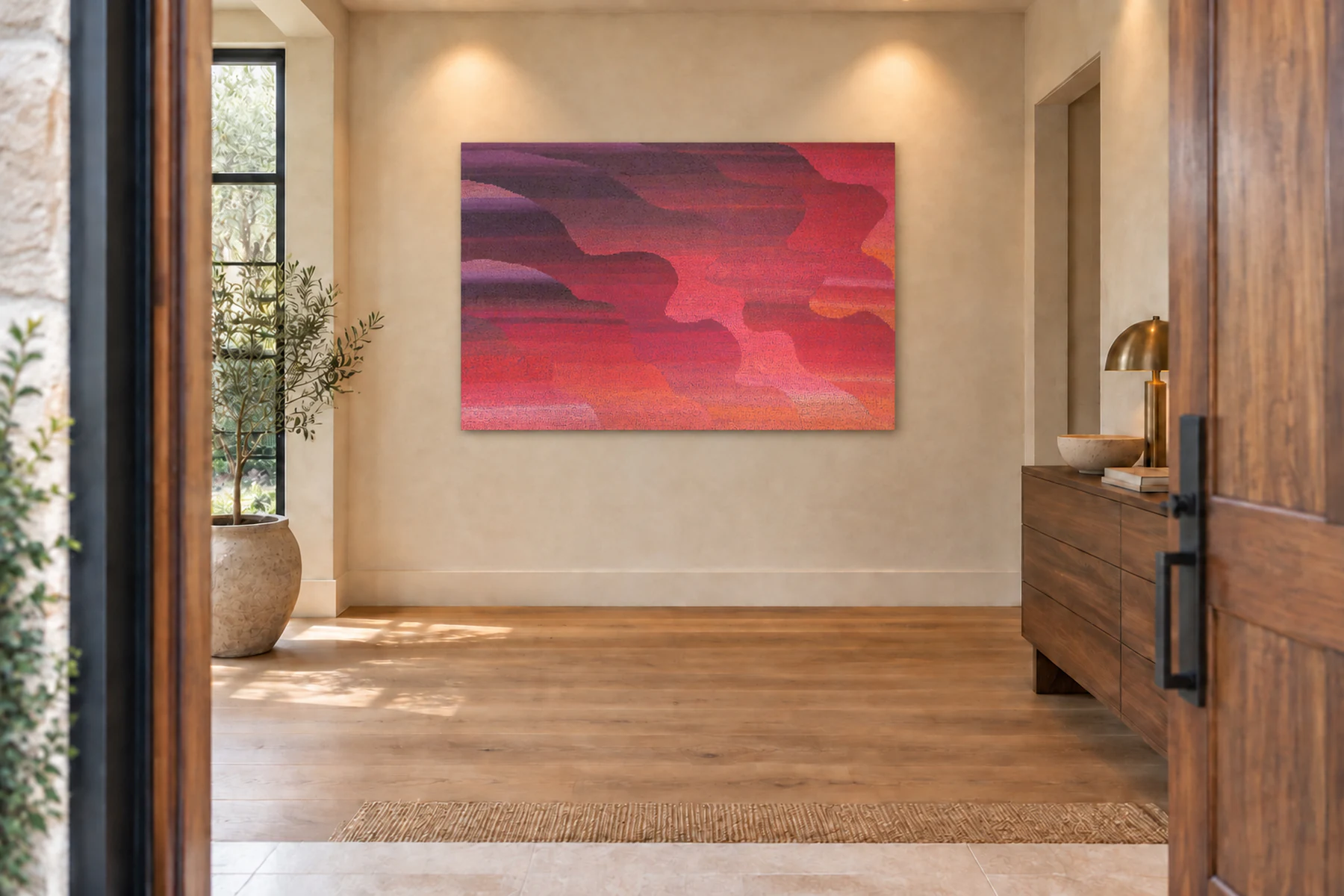
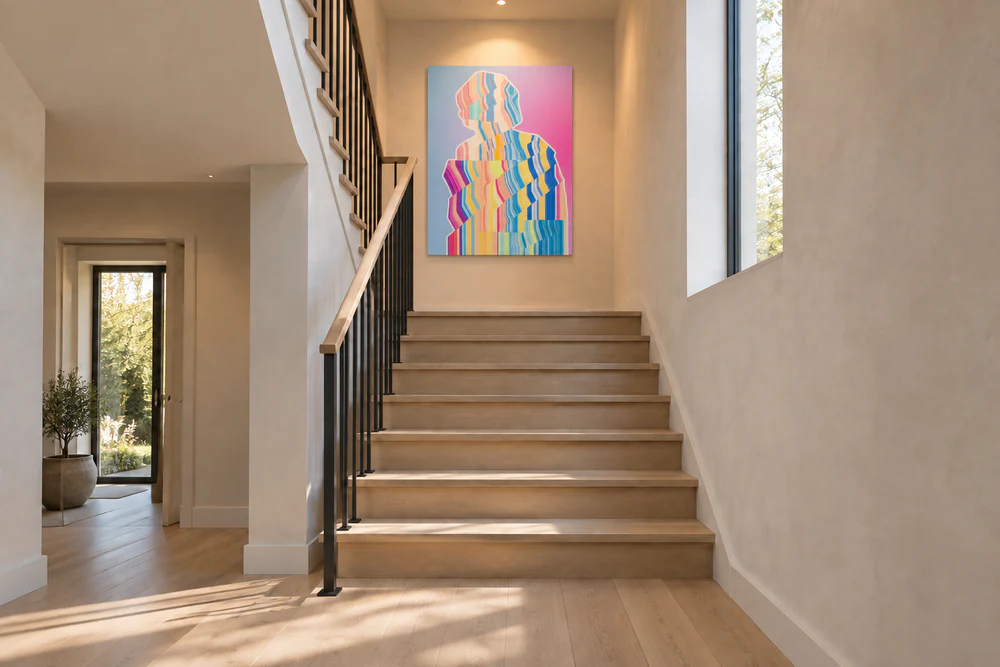
Proposal · how THEODORA would dress this spaceהצעה · כך THEODORA הייתה מלבישה את החלל הזהAn entry through the open door, one bold abstract on the facing wall.כניסה דרך הדלת הפתוחה, יצירה מופשטת נועזת אחת על הקיר שממול.
כניסות ומסדרונות הם הקירות שמסתכלים עליהם הכי הרבה בבית, והאמנות שמסתכלים עליה הכי מעט. כולם עוברים שם כמה פעמים ביום, וכמעט אף פעם לא עוצרים. אחרי יותר מ-15 שנה בעולם האמנות, במוזיאונים, בגלריה ובבתים, אני מתייחסת אליהם כבעיה בפני עצמה: אמנות שרואים בחטף, לעיתים קרובות רק לכמה שניות.
את המבואה קוראים בשניות
מבואה לא נותנת לעבודה זמן להתבונן בה לעומק. קוראים אותה בדרך פנימה וזוכרים אותה בדרך החוצה. זה דורש נוכחות: קנה מידה, צבע, דימוי ברור או משטח חזק. זה לא דורש פרטים שצריך לעמוד קרוב כדי לראות. אם העבודה נועזת או רגועה חשוב פחות מאשר אם היא מחזיקה מהפתח.
בווילה עם גינה בקיסריה, המבואה הייתה בהירה, לבנה וחשופה, עם דלת כניסה שחורה וגרם מדרגות פתוח. הצבתי שני דיוקנאות גבוהים של נשים, אחד בירוקים עם כתר של ורוד, אחד בכחולים עמוקים עם הבזק של כתום, מול דלת הכניסה, כך שהמפגש הראשון בבית הוא בין מי שמגיע לבין שתי הנשים שמקבלות את פניו. אותו קנה מידה, אותו מרקם, אותן מסגרות שחורות דקות: שתי עבודות, אמירה אחת.
מהדלת קוראים אותן כנוכחות וכצבע. מקרוב קוראים אותן כצבע על בד, שנבנה בשכבות שמתחשק לגעת בהן. הקריאה הכפולה הזו היא מה שאני מחפשת באמנות למבואה: עבודה שמחזיקה מהפתח ומתגמלת את האורח שעוצר. הדפס דקורטיבי שנראה אותו דבר מכל מרחק לא יכול לעשות את זה.
תרשים 1מהדלת, נוכחות וצבע. מקרוב, פני שטח שכדאי לעצור בשבילם.
העבודה החזקה ביותר הולכת לקיר הראשון שרואים מהדלת הפתוחה; הקירות שליד הדלת ולמרגלות המדרגות באים אחריו.
תרשים 2הקיר הראשון שרואים מהדלת הפתוחה הוא בדרך כלל המקום לעבודה החזקה ביותר.
הקיר שמול דלת הכניסה הוא הבחירה הראשונה: זה מה שהדלת ממסגרת כשהיא נפתחת.
הקיר שליד הדלת, לעיתים קרובות מעל קונסולה או ספסל, הוא השני.
למרגלות המדרגות, במקום שכולם עוברים בו כמה פעמים ביום. בבית בקלוסטר, עבודה ממוסגרת גדולה בזהב וסגול יושבת מעל ספסל ובונסאי למרגלות המדרגות.
ליד הכניסה, לא בתוכה, כשיש לבית מאפיין אחד שמשתלט על הכול. בדירה עם נוף לים בהרצליה פיתוח, ציור גדול של חלון ישן תלוי סמוך לכניסה, כך שהחלון הראשון שרואים מצויר, והבאים אחריו אמיתיים ומלאים בים.
טבלה 1אמנות למבואה ולמסדרון במבט אחד
חלל
גישה
גודל
גובה
מבואה, הקיר שמול הדלת
עבודה חזקה אחת או זוג תואם
בהתאם לקיר
מרכז בגובה 57 עד 60 אינץ' (145 עד 152 ס״מ)
מעל קונסולה או ספסל
עבודה אחת או זוג
כשני שלישים מהקונסולה
6 עד 10 אינץ' (15 עד 25 ס״מ) מעל המשטח שלה
מסדרון צר
עבודות קטנות על קו מרכז אחד, בצד אחד אם צפוף
קטנות מספיק כדי לראות אותן בשלמותן מקרוב
מרכז בגובה 57 עד 60 אינץ', מרווחים שווים
מסדרון ארוך
סדרה לאורך הקירות, ועבודה חזקה ומוארת אחת בקצה
העבודה שבקצה גדולה מעבודות הסדרה
מרכז בגובה 57 עד 60 אינץ'
מדרגות
תליית גלריה, או עבודה גבוהה אחת במישורת
במרחק מהמעקה
57 עד 60 אינץ' מעל קו החרטומים
איזה גודל מעל קונסולה או ספסל
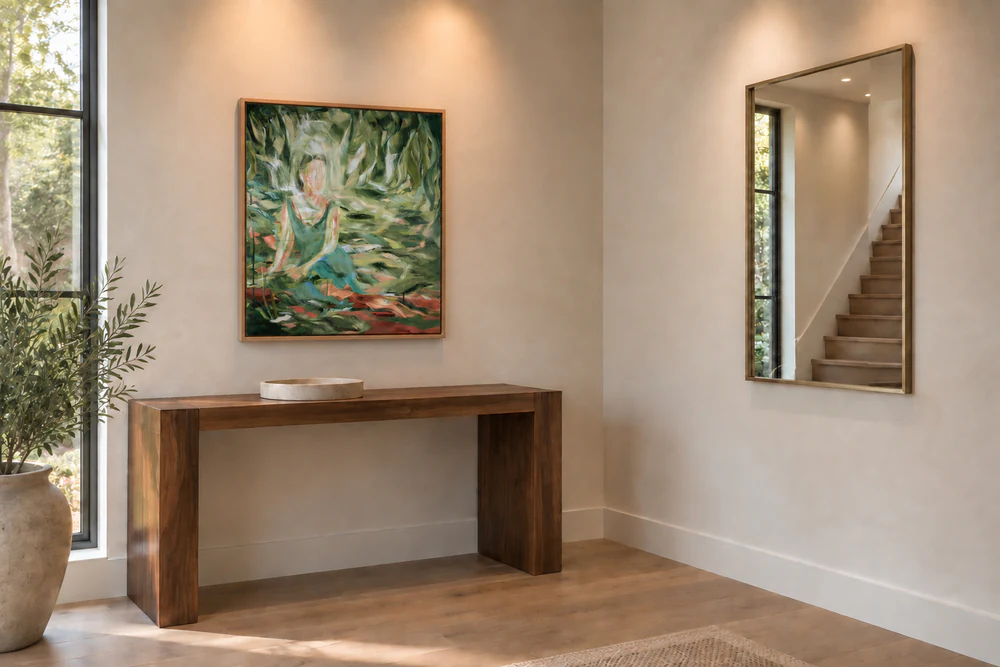
העבודה, או הזוג, צריכים לפרוש על כשני שלישים מרוחב הקונסולה או הספסל, עם 6 עד 10 אינץ' (15 עד 25 ס״מ) בין המשטח העליון לתחתית המסגרת. על קיר כניסה גבוה, בחרו פורמט אנכי או זוג של עבודות גבוהות במקום לתלות עבודה קטנה גבוה יותר. בכניסה קטנה בלי קונסולה, תלו עבודה אחת על הקיר שמול הדלת ושמרו על המסגרת צמודה לקיר. לעיתים קרובות רוצים גם מראה בכניסה; תלו אותה על קיר אחר מזה של העבודה המרכזית, כדי שלכל אחת יהיה מקום משלה.
תרשים 3כשני שלישים מהקונסולה, 6 עד 10 אינץ' מעליה, והמראה על קיר משלה.הצעה · אמנות מעל הקונסולה, מראה על קיר משלה
מסדרונות צרים
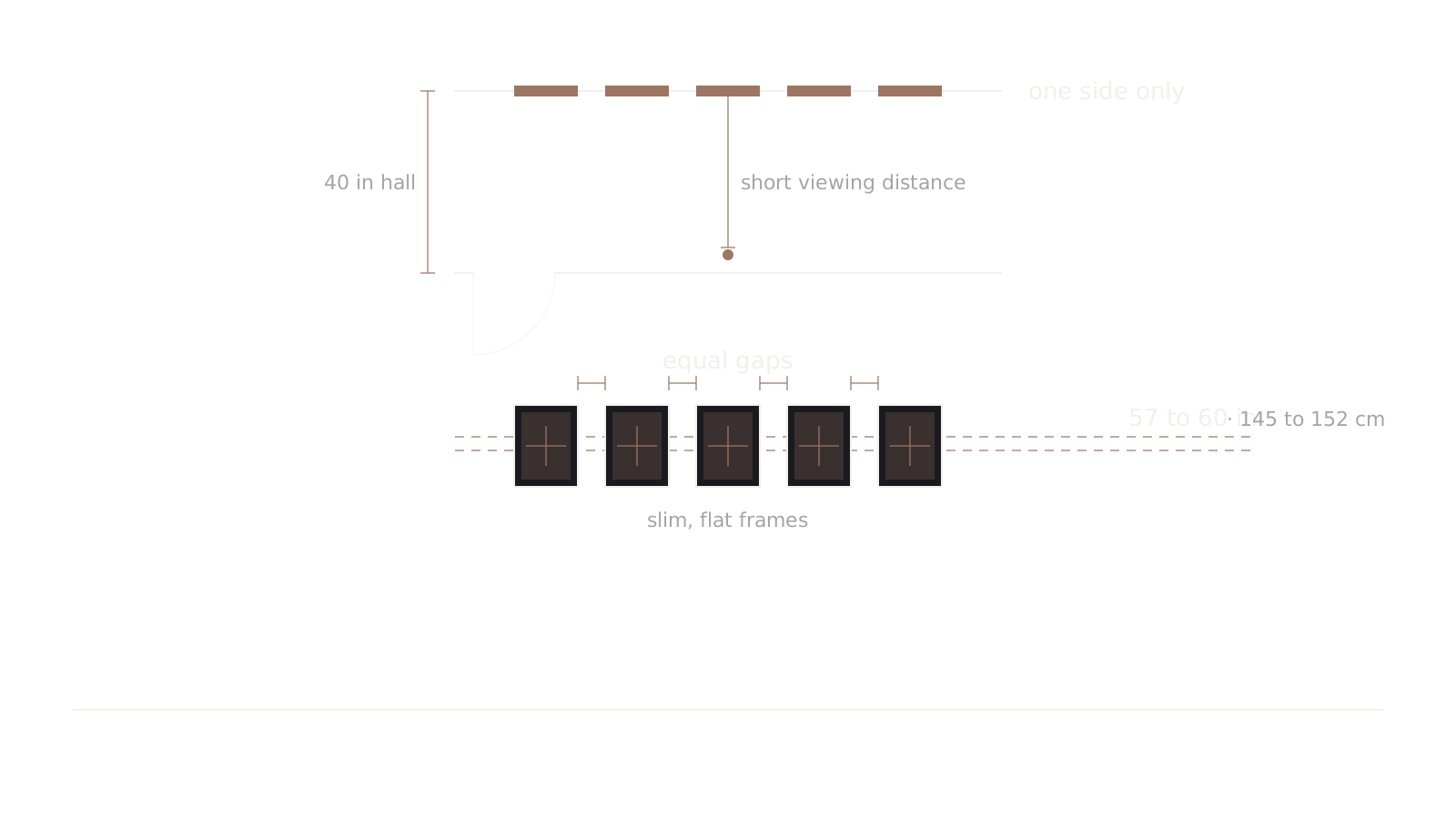
תרשים 4במסדרון צר רואים את האמנות מקרוב: עבודות קטנות יותר, קו מרכז אחד, מסגרות דקות.
במסדרון צר עומדים קרוב לכל קיר, ולכן אי אפשר לראות עבודות גדולות בשלמותן. בחרו עבודות קטנות יותר שמתגמלות מבט מקרוב: עבודות על נייר, תצלומים, סדרה של הדפסים. תלו אותן על קו מרכז אחד בגובה 57 עד 60 אינץ', עם אותו מרווח בין כל המסגרות, כקצב שעוברים לידו. שמרו על מסגרות דקות ושטוחות כדי שכתפיים ותיקים לא ייתקלו בהן, ותלו בצד אחד בלבד אם המסדרון צפוף מאוד.
מסדרונות ארוכים והקיר שבקצה
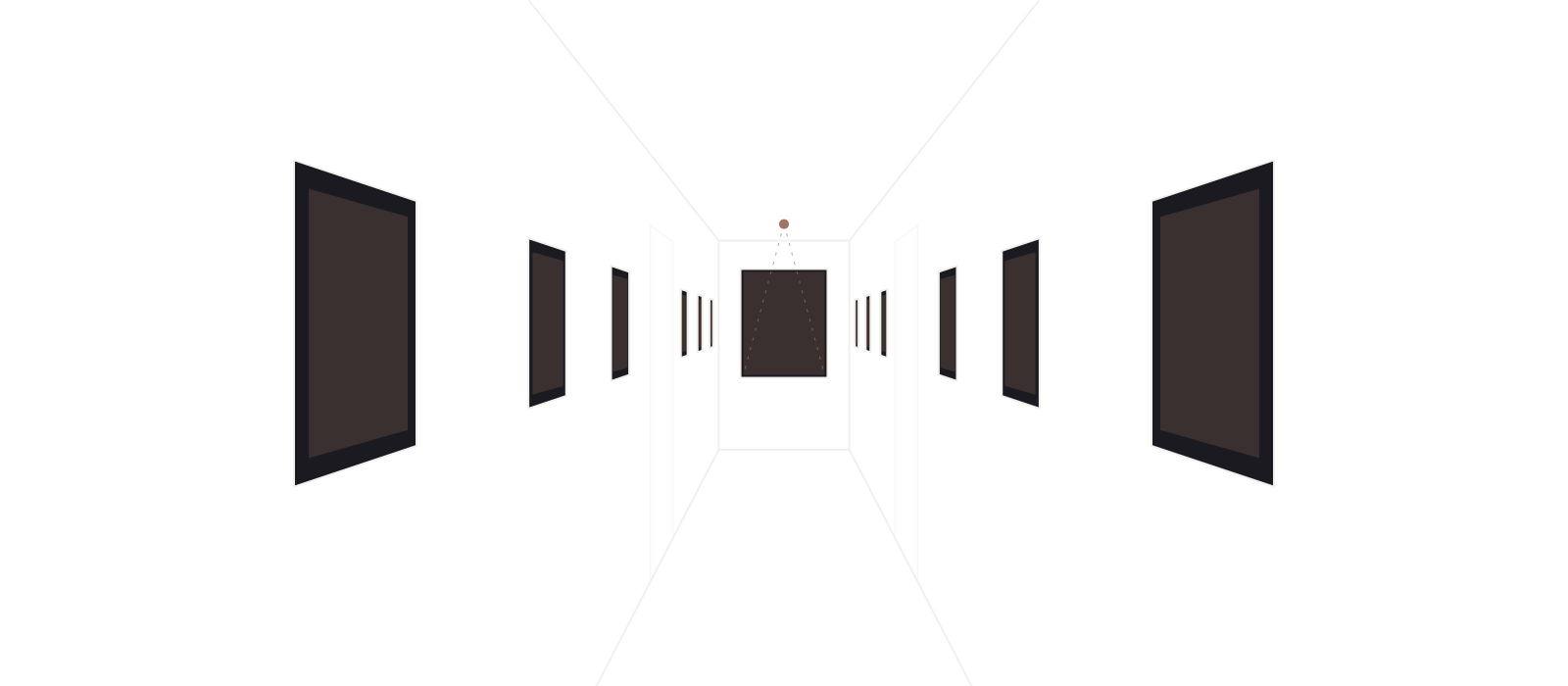
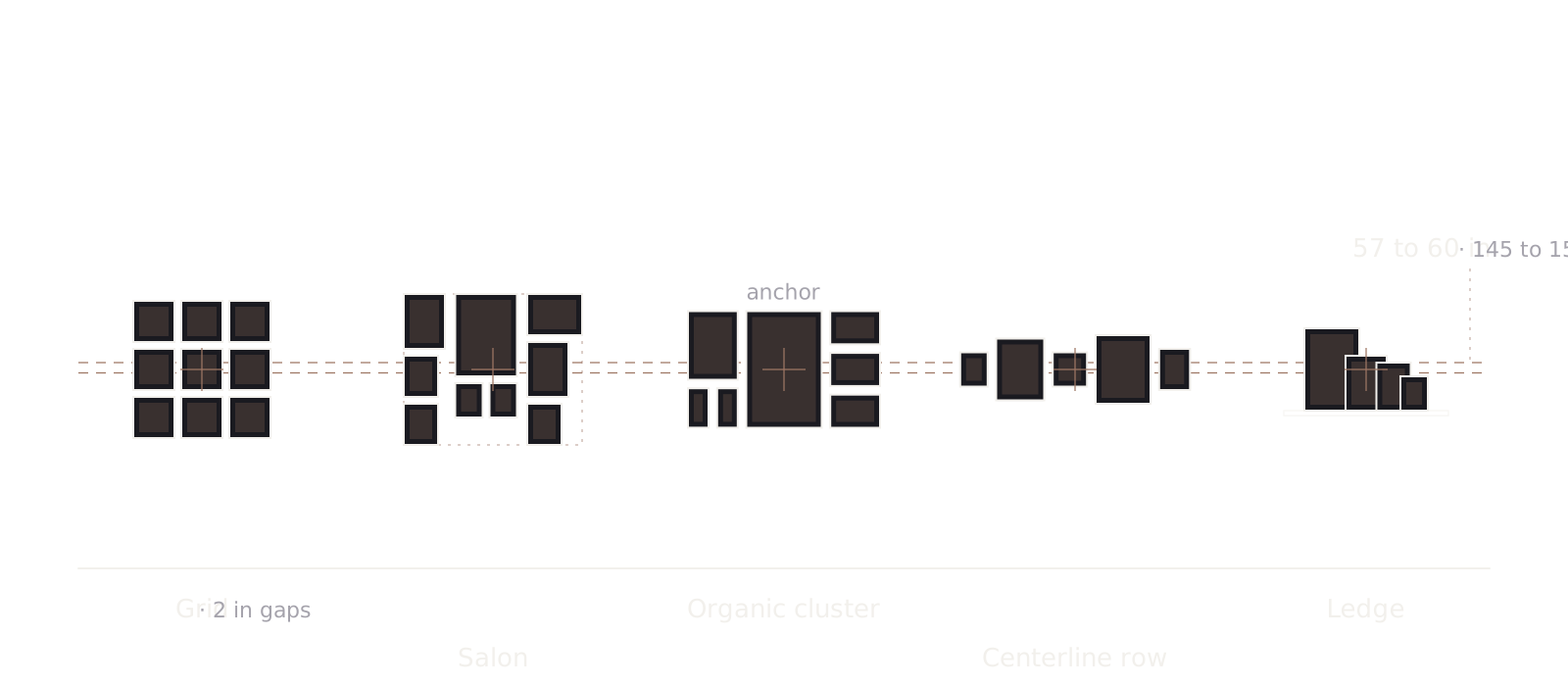
למסדרון ארוך יש שני תפקידים בשביל האמנות. לאורכו, קצב: סדרה שתלויה על קו מרכז אחד, עם אותו מרווח בין כל העבודות. בקצה שלו, יעד: עבודה חזקה אחת על הקיר שבקצה, מוארת, שמושכת אתכם לאורך המסדרון. הקיר שבקצה הוא המקום היחיד במסדרון שבו אפשר לראות עבודה גדולה בשלמותה, מהקצה הרחוק.
תרשים 5מסדרון ארוך: קצב של עבודות לאורכו, ועבודה מוארת אחת בקצה שלו.
במסדרון שמוביל לחדרי השינה, תמונות משפחתיות יכולות להיות הסדרה: כשהן ממוסגרות באותו אופן, עם אותו פספרטו ותלויות על קו אחד, הן נקראות כסט אחד ולא כאוסף של רגעים.
מדרגות
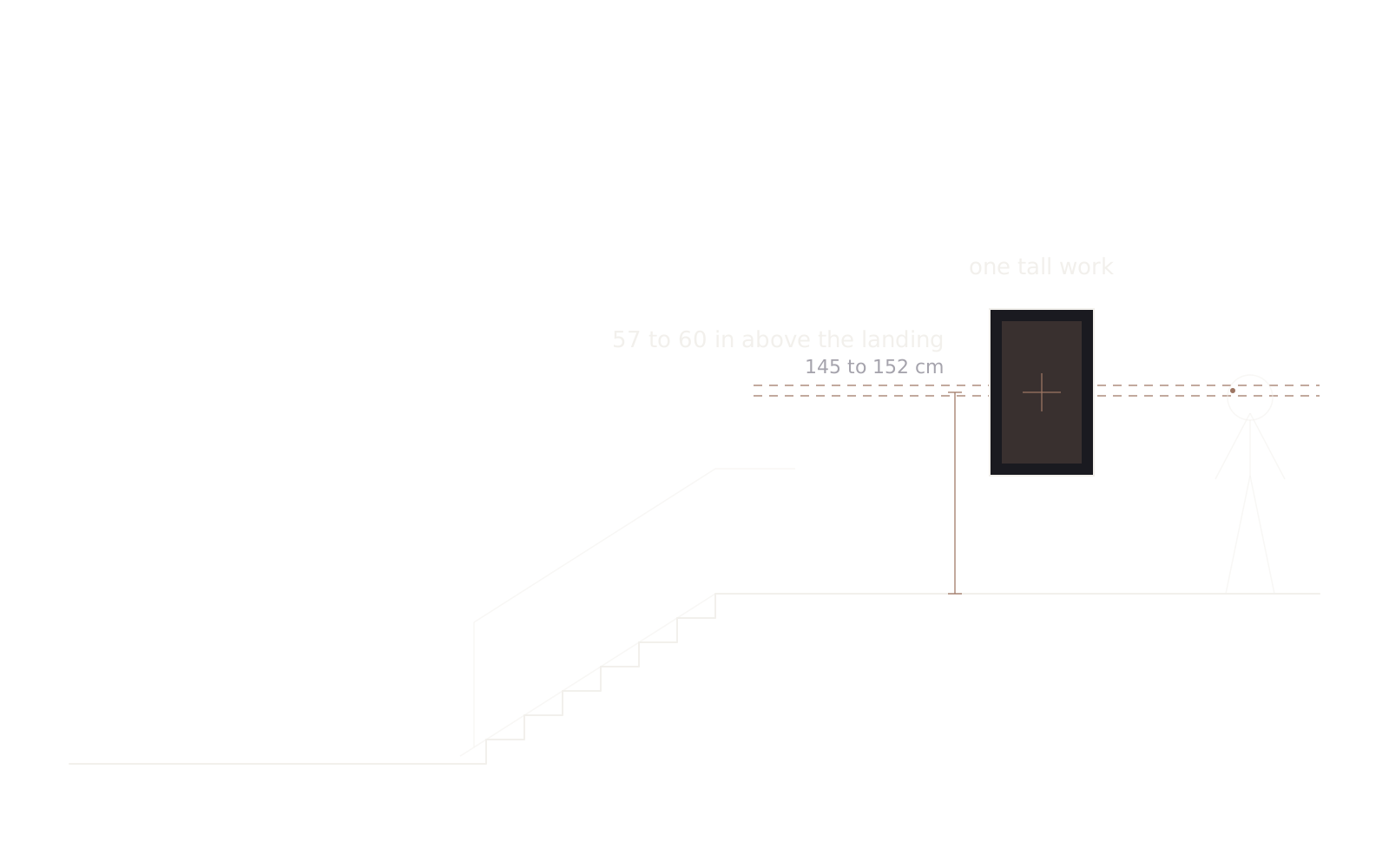
בגרם מדרגות, קו המרכז עוקב אחרי השיפוע: מדדו 57 עד 60 אינץ' ישר למעלה מקו החרטומים, הקו שמחבר את הקצוות הקדמיים של המדרגות, וחברו את הנקודות. שמרו על המסגרות הנמוכות במרחק מהמעקה. קיר מדרגות יכול לקבל תליית גלריה או עבודה גבוהה אחת במישורת. כללי הסידור ותרשים של מדרגות מופיעים ברעיונות לקיר גלריה, ונוסחת המסמר באיך לתלות תמונות.
כניסות ומסדרונות הם לעיתים קרובות החללים החשוכים ביותר בבית. ספוט תקרה שמכוון בזווית של כ-30 מעלות מהאנך, או מנורת תמונה, הופכים עבודה מצורה לציור (איפה למקם אותם ואיזו נורה לבחור: איך להאיר אמנות). זכוכית במסדרון מעומעם משקפת את גופי התאורה, אז בחרו זיגוג נגד השתקפות או עבודות בלי זיגוג. הקירות האלה גם חוטפים מכות: קבעו כל עבודה בשתי נקודות, הוסיפו מגנים בפינות התחתונות, ושקלו אקריליק במקום זכוכית במקום שבו אנשים עוברים עם תיקים.
הטעויות שאני רואה הכי הרבה
עבודה קטנה לבדה על קיר כניסה גבוה. בחרו פורמט גבוה או זוג במקום זה.
עבודות גדולות במסדרון צר, שבו אי אפשר לראות אותן בשלמותן.
מרווחים לא שווים לאורך מסדרון, ששוברים את הקצב.
קיר בקצה שנשאר ריק, כשהוא המקום היחיד שבו אפשר לראות עבודה גדולה בשלמותה.
זכוכית במסדרון חשוך, שמשקפת את תאורת התקרה.
מתי כדאי לפנות לאוצרת?
הכניסה קובעת את הטון לכל הבית, והיא אחד הקירות הבודדים שכל אורח רואה. אני בוחרת ומציבה עבודות לכניסות כחלק מתוכניות לבית כולו, ומטפלת במסגור ובהתקנה. אני אוצרת אמנות שפועלת מטנפליי, ניו ג'רזי, ועובדת ברחבי מחוז ברגן, ניו ג'רזי, העיר ניו יורק וקליפורניה, ואונליין עם לקוחות בכל מקום. ראו את הווילה עם הגינה בקיסריה למבואה מההתחלה ועד הסוף, או כתבו לי דרך דף יצירת הקשר.
Entrances and hallways are the most looked-at walls in a house and the least looked-at art. Everyone passes them several times a day, rarely stopping. After more than 15 years in the art world, in museums, in a gallery and in homes, I treat them as their own problem: art seen in passing, often for only a few seconds.
An entry is read in seconds
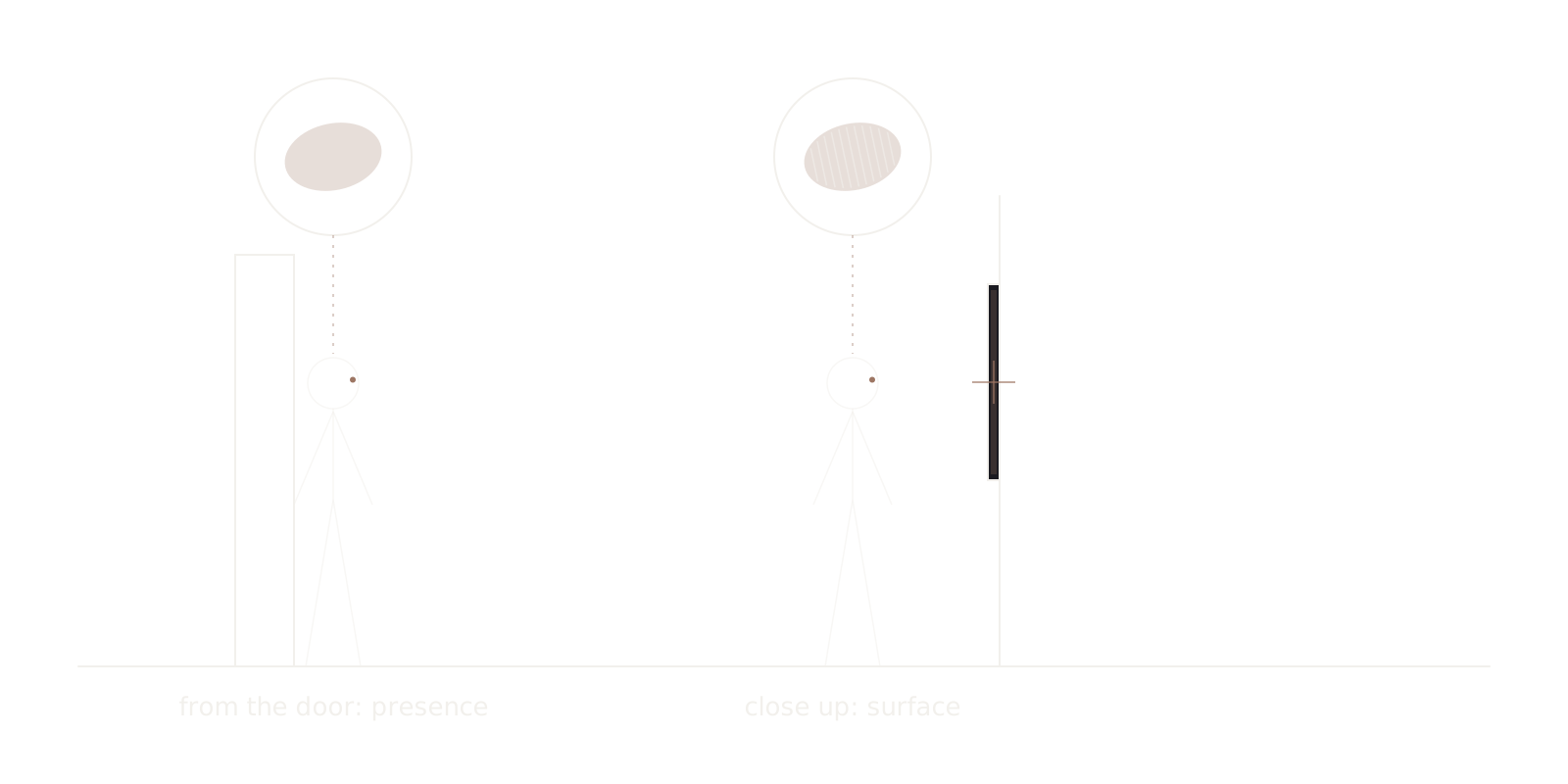
A foyer does not give a work time to be studied. It is read on the way in and remembered on the way out. That asks for presence: scale, color, a clear image or a strong surface. It does not ask for detail you need to stand close to see. Whether the work is bold or calm matters less than whether it holds from the doorway.
In a garden villa in Caesarea, the foyer was bright, white and bare, with a black front door and an open staircase. I placed two tall portraits of women, one in greens with a crown of pink, one in deep blues with a flare of orange, facing the front door, so the first exchange in the house is between the person arriving and the two women who meet them. Same scale, same texture, same slim black frames: two works, one statement.
From the door they read as presence and color. Up close they read as paint, built up in layers you want to touch. That double reading is what I look for in entry art: a work that holds from the doorway and rewards the guest who stops. A decorative print that looks the same at every distance cannot do that.
Figure 1From the door, presence and color. Up close, a surface worth stopping for.
An office reception is an entryway with a job to do: it tells a client what kind of firm they are visiting. For that version of the wall, see art for law firms and art for an office or a business.
Where should art go in an entryway?
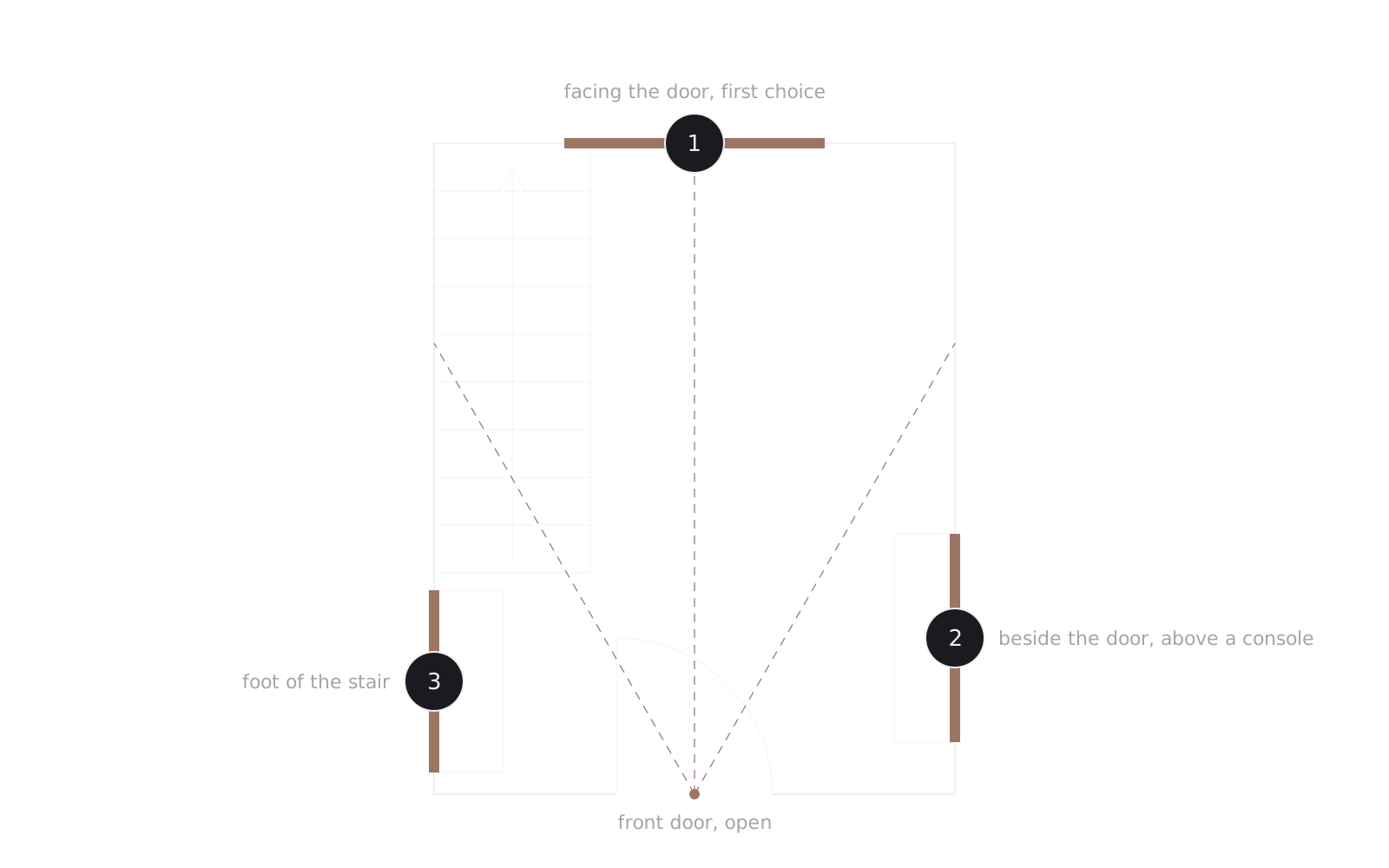
The strongest work goes on the first wall you see from the open door; the walls beside the door and at the foot of the stair come next.
Figure 2The first wall you see from the open door is usually the one for the strongest work.
The wall facing the front door is the first choice: it is what the door frames when it opens.
The wall beside the door, often above a console or a bench, is the second.
The foot of the stair, where everyone passes several times a day. In a Closter house, a large framed work in gold and violet sits above a bench and a bonsai at the foot of the stair.
Near the entrance, not in it, when the house has one overwhelming feature. In a seafront apartment in Herzliya Pituach, a large painting of an aged window hangs near the entrance, so the first window you see is painted and the next ones are real and full of sea.
Table 1Entryway and hallway art at a glance
Space
Approach
Size
Height
Foyer, wall facing the door
One strong work or a matched pair
Sized to the wall
Center 57 to 60 in (145 to 152 cm)
Above a console or bench
One work or a pair
About two thirds of the console
6 to 10 in (15 to 25 cm) above its top
Narrow hallway
Small works on one centerline, one side if tight
Small enough to see whole from close up
Center 57 to 60 in, equal gaps
Long hallway
A series along the walls, one stronger lit work at the end
The end work larger than the series
Center 57 to 60 in
Stairs
A gallery hang, or one tall work on the landing
Clear of the handrail
57 to 60 in above the nosing line
What size above a console or bench
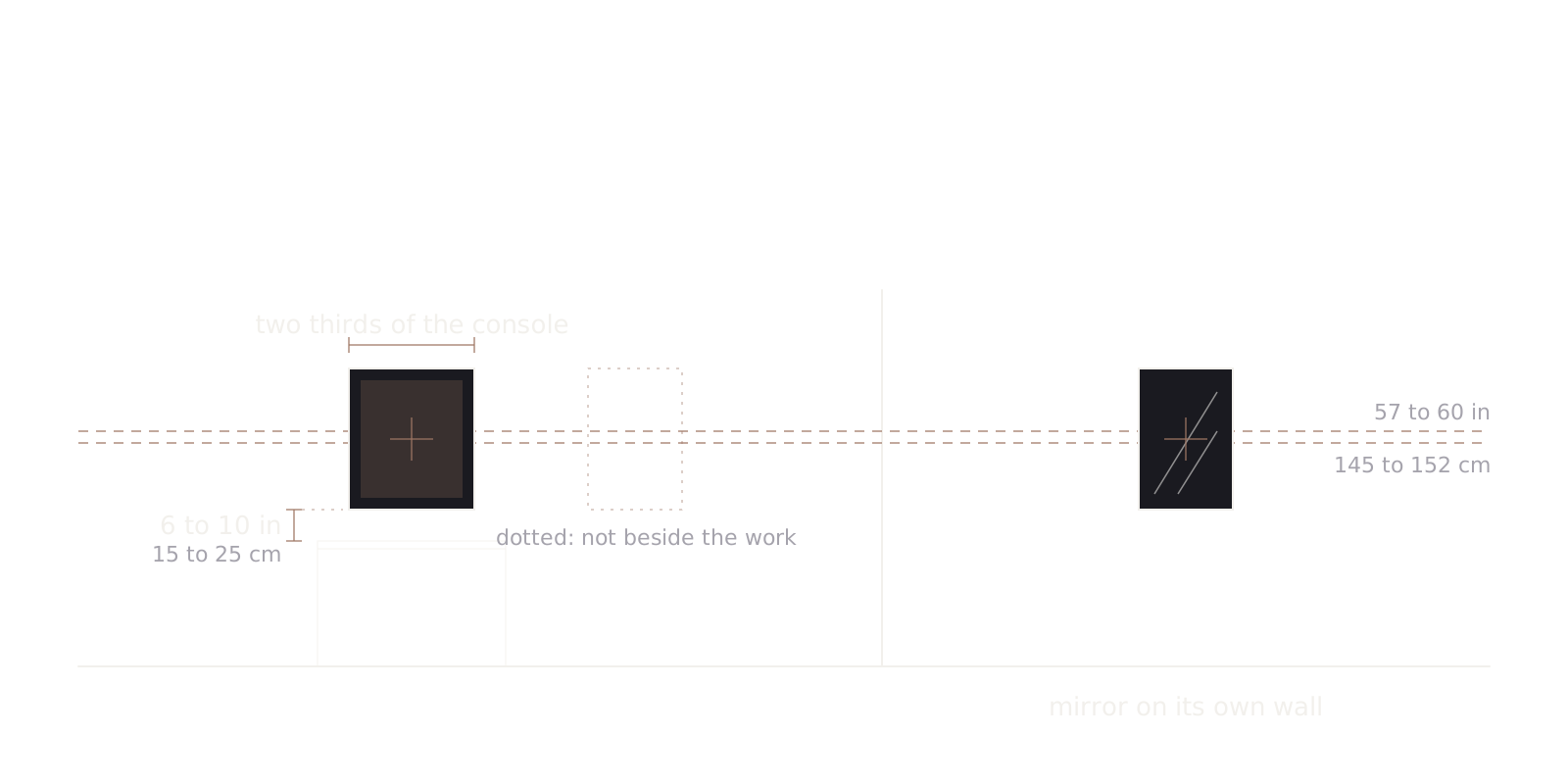
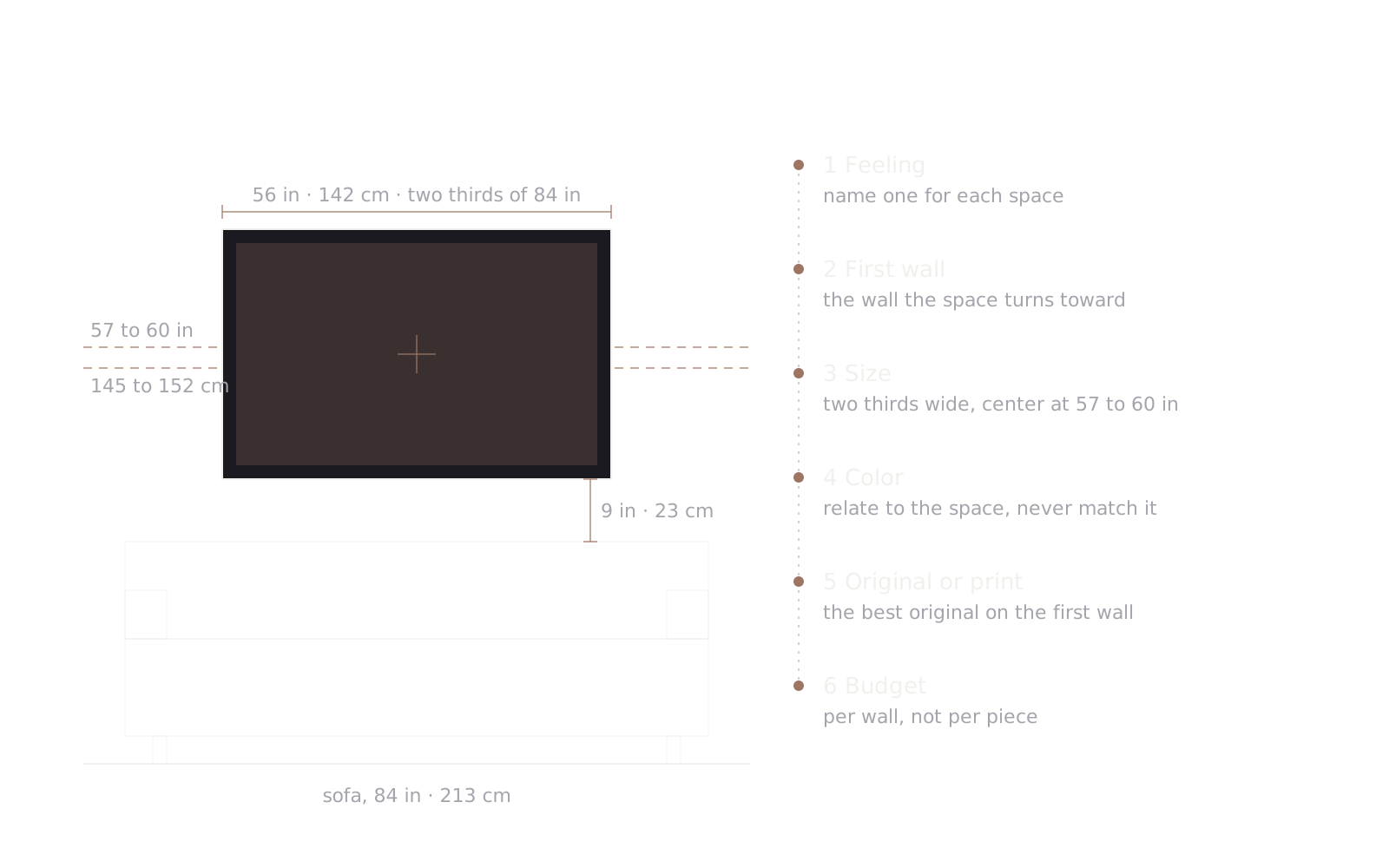
The work, or the pair, should span about two thirds of the console's or bench's width, with 6 to 10 inches (15 to 25 cm) between its top and the bottom of the frame. On a tall entry wall, choose a vertical format or a pair of tall works rather than hanging a small work higher. In a small entry with no console, hang one work on the wall facing the door and keep its frame flat to the wall. A mirror is often wanted in the entry too; hang it on a different wall from the main work, so each has its own place.
Figure 3About two thirds of the console, 6 to 10 inches above it, and the mirror on its own wall.Proposal · console art, mirror on its own wall
Narrow hallways
Figure 4In a narrow hallway you see art from close up: smaller works, one centerline, slim frames.
In a narrow hallway you stand close to every wall, so large works cannot be seen whole. Choose smaller works that reward a close look: works on paper, photographs, a series of prints. Hang them on one centerline at 57 to 60 inches, with the same gap between every frame, as a rhythm you walk past. Keep frames slim and flat so shoulders and bags do not catch them, and hang on one side only if the hall is very tight.
Long hallways and the end wall
A long hallway has two jobs for art. Along its length, a rhythm: a series hung on one centerline, with the same gap between every work. At its end, a destination: one stronger work on the end wall, lit, that draws you down the hall. The end wall is the only place in a hallway where a large work can be seen whole, from the far end.
Figure 5A long hallway: a rhythm of works along its length, and one lit work at its end.
In a hallway that leads to the bedrooms, family photographs can be the series: framed alike, matted alike and hung on one line, they read as one set rather than as a collection of moments.
Stairs
On a staircase, the centerline follows the pitch of the stair: measure 57 to 60 inches straight up from the nosing line, the line joining the front edges of the treads, and connect the points. Keep the lowest frames clear of the handrail. A stair wall can take a gallery hang or a single tall work on the landing. The layout rules and a stair diagram are in gallery wall ideas, and the nail formula in how to hang pictures.
Figure 6On a landing, measure 57 to 60 inches from the floor you stand on.Proposal · measured from the landing floor
Light, glass and wear
Entries and hallways are often the darkest spaces in a house. A ceiling spot aimed at about 30 degrees from vertical, or a picture light, turns a work from a shape into a painting (where it goes and which bulb to use: how to light art). Glass in a dim hallway reflects the light fittings, so choose anti-reflective glazing or unglazed works. These walls also get knocked: fix every work on two points, add bumpers to the lower corners, and consider acrylic rather than glass where people carry bags past.
The mistakes I see most often
A small work alone on a tall entry wall. Choose a tall format or a pair instead.
Large works in a narrow hallway, where they cannot be seen whole.
Uneven gaps along a hallway, which break the rhythm.
An end wall left empty, when it is the one place a large work can be seen whole.
Glass in a dark hallway, reflecting the ceiling light.
When is it worth calling a curator?
The entry sets the tone for the whole house, and it is one of the few walls every guest sees. I choose and place works for entrances as part of whole-house plans, and handle framing and installation. I am an art curator based in Tenafly, New Jersey, working across Bergen County, New Jersey, New York City and California, and online with clients anywhere. See the Caesarea garden villa for a foyer from start to finish, or write to me through the contact page.
Questionsשאלות
Questions people askשאלות נפוצות
What art should go in an entryway?איזו אמנות מתאימה למבואה?
Entryway art needs presence from a few steps away: strong scale, color or surface, rather than fine detail you need to stand close to see. One large work or a matched pair usually works best. Place it on the wall facing the front door or above a console beside it, with its center 57 to 60 inches from the floor.אמנות למבואה צריכה נוכחות מכמה צעדים: קנה מידה, צבע או משטח חזקים, ולא פרטים עדינים שצריך לעמוד קרוב כדי לראות. עבודה גדולה אחת או זוג תואם עובדים בדרך כלל הכי טוב. מקמו אותה על הקיר שמול דלת הכניסה או מעל קונסולה לצידה, כשהמרכז שלה בגובה 57 עד 60 אינץ' מהרצפה.
What size art should hang above an entryway console?באיזה גודל צריכה להיות אמנות מעל קונסולה בכניסה?
Art above an entryway console should be about two thirds of the console's width, with 6 to 10 inches between the top of the console and the bottom of the frame. On a tall entry wall, choose a vertical work or a pair of tall works rather than hanging a small work higher up. Tape the outline on the wall first and look at it from the front door.אמנות מעל קונסולה בכניסה צריכה להיות ברוחב של כשני שלישים מהקונסולה, עם 6 עד 10 אינץ' בין המשטח העליון של הקונסולה לתחתית המסגרת. על קיר כניסה גבוה, בחרו עבודה אנכית או זוג של עבודות גבוהות במקום לתלות עבודה קטנה גבוה יותר. סמנו קודם את קו המתאר על הקיר והסתכלו עליו מדלת הכניסה.
What kind of art looks good in a hallway?איזו אמנות נראית טוב במסדרון?
Hallway art depends on the hallway. In a narrow one, smaller works that reward a close look: works on paper, photographs or a series of prints, hung on one centerline with equal gaps. In a long one, the same rhythm along the walls and one stronger, lit work on the end wall, which is the only place a large work can be seen whole.אמנות למסדרון תלויה במסדרון. במסדרון צר, עבודות קטנות יותר שמתגמלות מבט מקרוב: עבודות על נייר, תצלומים או סדרה של הדפסים, תלויות על קו מרכז אחד עם מרווחים שווים. במסדרון ארוך, אותו קצב לאורך הקירות ועבודה חזקה ומוארת אחת על הקיר שבקצה, המקום היחיד שבו אפשר לראות עבודה גדולה בשלמותה.
What should I put at the end of a long hallway?מה לשים בקצה של מסדרון ארוך?
The end of a long hallway takes one strong work, larger than the works along the hallway, centered on the end wall and lit with a ceiling spot or picture light. The end wall gives the hallway a destination and is the one place in a hall where a large work can be seen from far enough away to read it whole.הקצה של מסדרון ארוך מקבל עבודה חזקה אחת, גדולה מהעבודות שלאורך המסדרון, ממורכזת על הקיר שבקצה ומוארת בספוט תקרה או במנורת תמונה. הקיר שבקצה נותן למסדרון יעד, והוא המקום היחיד במסדרון שבו אפשר לראות עבודה גדולה ממרחק שמספיק כדי לקרוא אותה בשלמותה.
How high should art be hung in a hallway or entry?באיזה גובה תולים אמנות במסדרון או בכניסה?
Art in a hallway or entry hangs with its center 57 to 60 inches (145 to 152 cm) from the floor, the same eye-level line used everywhere in the house. In a hallway series, keep every work on the same centerline. Above a console or bench, leave 6 to 10 inches below the frame. On stairs, measure 57 to 60 inches up from the nosing line.אמנות במסדרון או בכניסה נתלית כשהמרכז שלה בגובה 57 עד 60 אינץ' (145 עד 152 ס״מ) מהרצפה, אותו קו של גובה העיניים שמשמש בכל הבית. בסדרה לאורך מסדרון, שמרו על כל העבודות על אותו קו מרכז. מעל קונסולה או ספסל, השאירו 6 עד 10 אינץ' מתחת למסגרת. במדרגות, מדדו 57 עד 60 אינץ' למעלה מקו החרטומים.
How do I make my front entrance look expensive?איך גורמים לכניסה לבית להיראות יוקרתית?
A front entrance looks expensive when it has one real work with presence rather than several small decorative pieces, sized properly to the wall, framed simply and lit. A single well-chosen original or signed edition, hung at the right height, does more for an entrance than a wall of decorative pieces.כניסה נראית יוקרתית כשיש בה עבודה אמיתית אחת עם נוכחות ולא כמה פריטים דקורטיביים קטנים, בגודל נכון לקיר, במסגור פשוט ומוארת. עבודה מקורית אחת או מהדורה חתומה שנבחרו היטב ונתלו בגובה הנכון עושות לכניסה יותר מקיר של פריטים דקורטיביים.
Send me one photo of the wall, and a line about the space. I will tell you what I see.שלחו לי תמונה אחת של הקיר ושורה על החלל. אספר לכם מה אני רואה.
This browser has no email app set up, so nothing opened. Copy the address, or open it in your webmail.בדפדפן הזה לא מוגדרת תוכנת דואר, ולכן לא נפתח כלום. העתיקו את הכתובת, או פתחו אותה בדואר האינטרנטי שלכם.
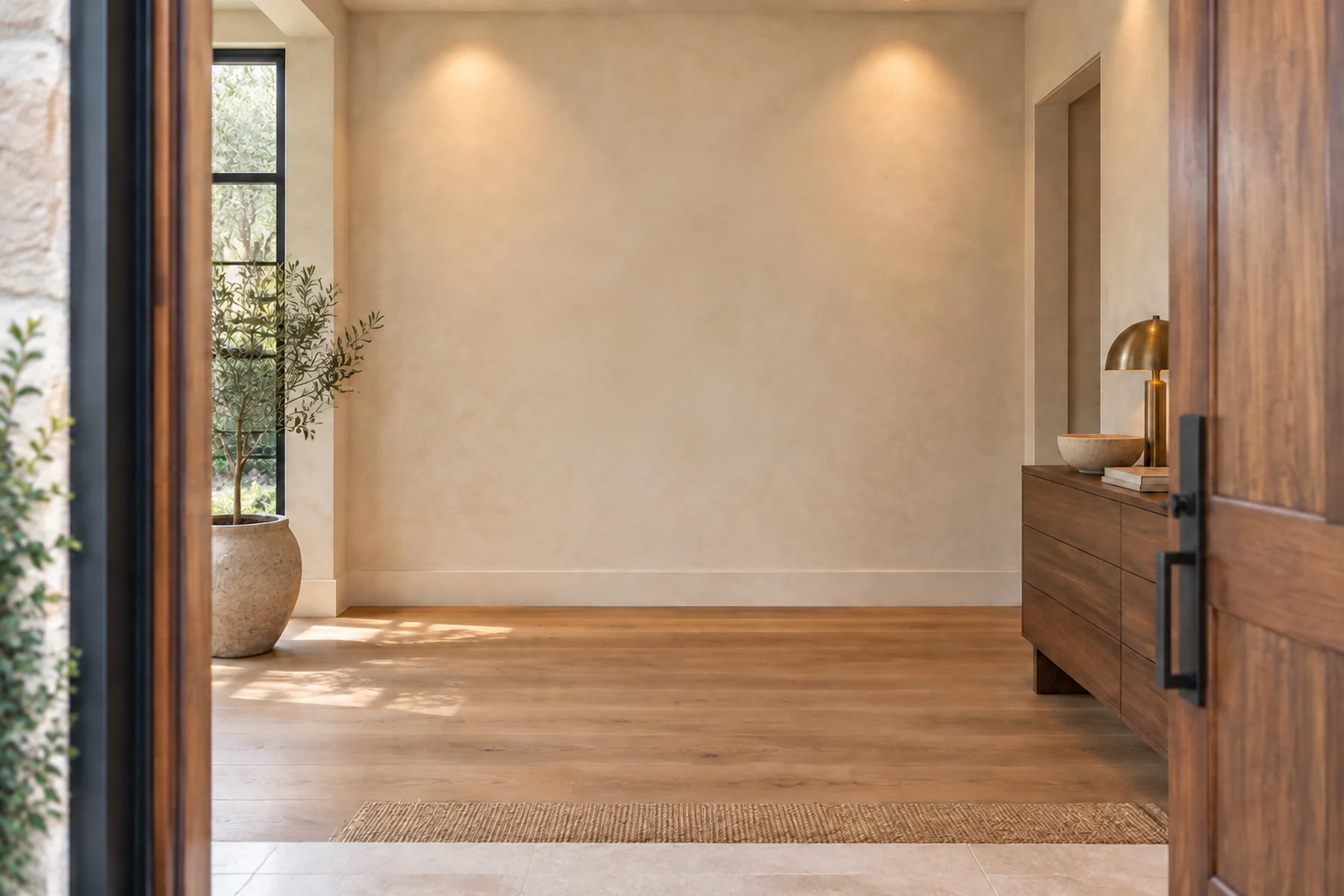 Beforeלפני