מעצבי פנים ואדריכלים מכניסים אותי לפרויקטים בשם הלקוחות שלהם, וחלק גדול מהעבודה שלי מתחיל כך. הם עושים את זה כי הם מכירים את ההבדל בין המקצוע שלהם למקצוע שלי. מעצב טוב יכול לבחור ציור. מעצב טוב לא יכול גם לבלות יותר מ-15 שנה בתוך מוזיאונים, גלריות וסטודיו של אמנים, ואף אחד לא צריך לצפות ממנו לזה.
שני תפקידים שונים
המעצב שלכם אחראי על הארכיטקטורה של הפנים: תכנון, חומרים, נגרות, ריהוט, תאורה, לוח הזמנים והקבלנים. כל החלטה שם עוסקת באופן שבו הבית עובד ומרגיש.
אני אחראית על האמנות: אילו אמנים, אילו עבודות, באיזה מחיר, מאיזו גלריה או סטודיו, באיזו מסגרת, ואיפה ואיך הן ייתלו. התפקיד של אוצרת אמנות הוא לגשר בין ידע עמוק בתולדות האמנות, עין חדה למגמות הנוכחיות והחזון היצירתי של אדריכלים ומעצבי פנים, ולהביא את כל זה לדיאלוג אחד. אני עובדת לצד מעצבים, לא מסביבם.
איך עובדים יחד בלי חיכוך
- מוקדם עדיף. הרגע הטוב ביותר להכניס אותי הוא כשיש תוכניות ובוחרים גימורים. אז אפשר למדוד קירות לפי העבודות, לתכנן להן תאורה, ותקציב האמנות יושב בתוך תקציב הפרויקט במקום להיות מה שנשאר בסוף.
- אני קוראת קודם את העיצוב. לפני שאני מציעה משהו אני לומדת את הקונספט, את הפלטה, את החומרים ואת מצב הרוח שהמעצב בונה. בדירה עם נוף לים בהרצליה פיתוח, ציור בקנה מידה גדול של יגאל עוזרי, חלון ישן ומחוספס, תלוי ליד הכניסה בדיאלוג עם החלונות הפונים לים. העבודה עונה לארכיטקטורה. זה קורה רק אם קראתם קודם את הארכיטקטורה.
- האפשרויות עוברות דרך המעצב. אני מציגה עבודות למעצב, או למעצב וללקוח יחד, אף פעם לא מעל ראשו של המעצב. המעצב שומר על הקשר עם הלקוח ועל ההובלה בעיצוב הפנים.
- לוח זמנים אחד. איתור, הזמנות מיוחדות, מסגור והתקנה מתוזמנים מול לוח הזמנים של העיצוב, כך שהעבודות מגיעות כשהקירות מוכנים ולא לפני.
- אני מורידה את הלוגיסטיקה מהשולחן של המעצב. את ההפקה, המסגור, השילוח וההתקנה אני מנהלת בעצמי, עם המדפיסים, המסגרים והמתקינים שאני עובדת איתם. הצוות של המעצב לא צריך לתלות טריפטיך באורך 3.5 מטר, וזה מה שהגיע לווילה עם נוף לים בקיסריה.
מה משתבש כשהאמנות נדחית לסוף
הבית גמור, התקציב נוצל, והקירות ריקים. ואז קונים אמנות מהר, כדי למלא מקום, כדי להתאים לספה, במחיר שהגלריה הראשונה נקבה. התאורה מעולם לא תוכננה בשבילה. הקיר הארוך היחיד שיכול היה לשאת עבודה רצינית מחזיק עכשיו שלוש קטנות. הבית מעוצב היטב ואין בו נשמה, וכל מי שמעורב מרגיש את זה.
הוד השרון: עבודה אחת שמחזיקה את החדר
וילה פרטית בהוד השרון, פתוחה ורוויה באור, שבה בטון וטבע נפגשים. העיצוב כבר היה חזק. מה שחלל המגורים היה צריך הוא מרכז רגשי, ובחרתי עבודה דיגיטלית פיגורטיבית אחת בקנה מידה גדול כדי להגדיר אותו. עבודה אחת, קנה המידה הנכון, הקיר הנכון, והחדר הפסיק להיות חלל מאובזר היטב והפך לבית של מישהו.
בקלוסטר, ניו ג'רזי, הוזמנתי לאצור אוסף לבית מגורים חדש ולהביא עומק לעיצוב הפנים. בעבודה צמודה עם גלריות מובילות בניו יורק, הפגשתי עבודות של אמנים יהודים וישראלים לצד קולות עכשוויים אחרים. התוצאה הופכת בית מעוצב היטב לחלל עם נשמה, שבו האמנות והאדריכלות מדברות באותה שפה. זה כל העניין בשיתוף הפעולה.
אם אתם המעצבים
יש לי עמוד שנכתב בשבילכם: עבודה עם THEODORA כמעצבי פנים או אדריכלים. הגרסה הקצרה: אתם שומרים על ההובלה, אני מביאה את האמנות ואת הלוגיסטיקה, והלקוח שלכם מקבל בית שגמור גם על הקירות.
אם אתם בעלי הבית והמעצב שלכם כבר בפרויקט, כתבו לי וצרפו אותו למייל. השיחה הראשונה היא עם שניכם. על מה שקורה אחר כך, קראו איך תהליך הייעוץ לאמנות עובד, ועל החלק שמגיע אחרי הבחירה, מסגור, שילוח והתקנה.
Interior designers and architects bring me in on behalf of their clients, and much of my work starts that way. They do it because they know the difference between their profession and mine. A good designer can pick a painting. A good designer cannot also spend more than 15 years inside museums, galleries and artists' studios, and no one should expect them to.
Two different jobs
Your designer owns the architecture of the interior: layout, materials, joinery, furniture, lighting, the schedule and the contractors. Every decision there is about how the house works and feels.
I own the art: which artists, which works, at what price, from which gallery or studio, in what frame, hung where and how. An art curator's role is to bridge between a deep knowledge of art history, a sharp eye for current trends, and the creative vision of architects and interior designers, and to bring all of it into one dialogue. I work alongside designers, not around them.
How we work together without friction
- Early is better. The best moment to bring me in is when the drawings exist and the finishes are being chosen. Then walls can be sized for the works, lighting can be planned for them, and the art budget sits inside the project budget instead of being what is left at the end.
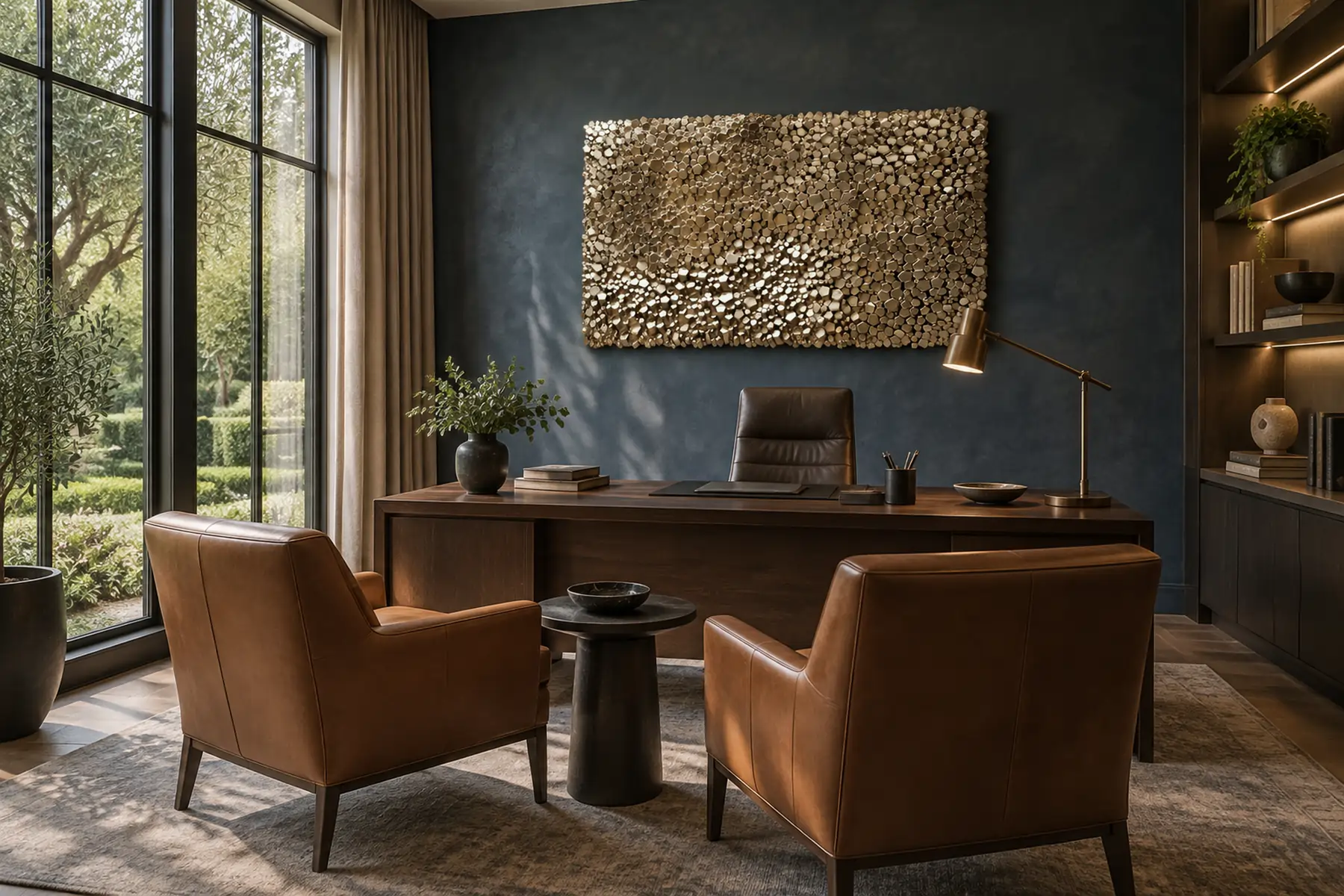
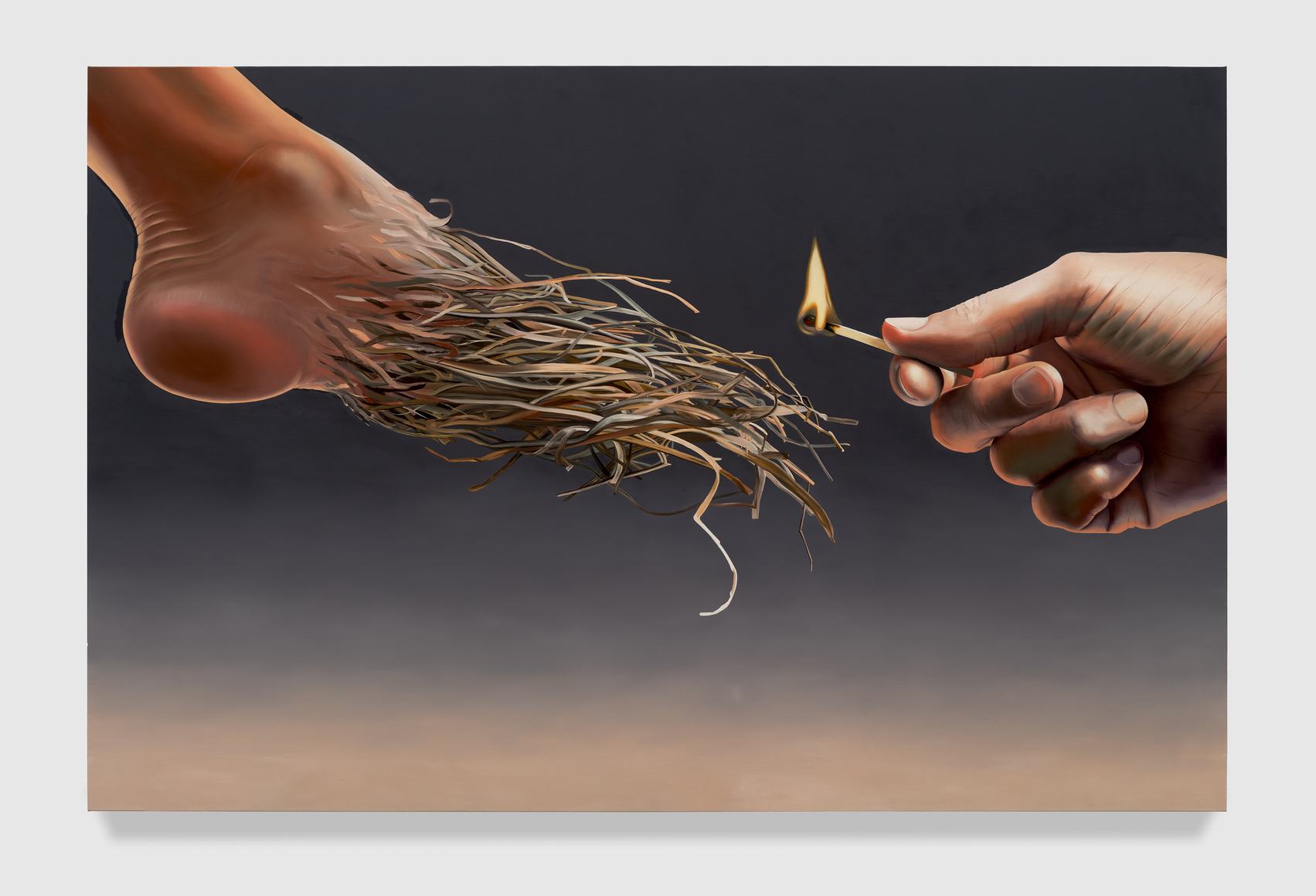
- I read the design first. Before I propose anything I study the concept, the palette, the materials and the mood the designer is building. In a sea view apartment in Herzliya Pituach, a large scale painting by Yigal Ozeri of an aged, textured window hangs near the entrance in dialogue with the sea facing windows. The work answers the architecture. That only happens if you have read the architecture first.
- Options come through the designer. I present works to the designer, or to designer and client together, never around the designer. The designer keeps the client relationship and the lead on the interior.
- One timeline. Sourcing, commissions, framing and installation are scheduled against the design timeline, so the works arrive when the walls are ready and not before.
- I take the logistics off the designer's desk. Production, framing, shipping and installation are managed by me, with the printmakers, framers and installers I work with. The designer's crew does not have to hang a 3.5 meter triptych, which is what arrived at a sea view villa in Caesarea.
What goes wrong when art is an afterthought
The house is finished, the budget is spent, and the walls are empty. Then art gets bought fast, to fill space, to match the sofa, at whatever the first gallery quoted. The lighting was never planned for it. The one long wall that could have carried a serious work now has three small ones. The house is well designed and has no soul, and everyone involved can feel it.
Hod Hasharon: one work to hold the room
A private villa in Hod Hasharon, open and saturated with light, where concrete and nature meet. The design was already strong. What the living space needed was an emotional center, and I chose a single large scale figurative digital artwork to define it. One work, the right scale, the right wall, and the room stopped being a well appointed space and became someone's home.
In Closter, New Jersey, I was commissioned to curate a collection for a newly built residence and bring depth to the interior design. Working closely with leading New York City galleries, I brought together works by Jewish and Israeli artists alongside other contemporary voices. The result transforms a well designed house into a space with soul, where art and architecture speak the same language. That is the whole point of the collaboration.
If you are the designer
I have a page written for you: working with THEODORA as an interior designer or architect. The short version: you keep the lead, I bring the art and the logistics, and your client gets a house that is finished on the walls too.
If you are the homeowner and your designer is already on the project, write to me and copy them in. The first conversation is with both of you. For what happens next, read how the art advisory process works, and for the part that comes after the choosing, framing, shipping and installation.
 Beforeלפני