Part 2: Three Exhibitions of Artists Who Are No Longer With Us
In the previous part we took a tour of the artistic abundance of November in New York, the busiest and most fun month of the year for anyone who loves art. This time I want to tell you about exhibitions of great artists who are no longer alive, but whose works continue to be present, influential, and of course also to sell for sums we can only imagine.
Exhibitions like these make it possible to see an artist's work from a wider perspective, once the career has already ended, and to discover which of the questions that occupied the artist are still relevant today.
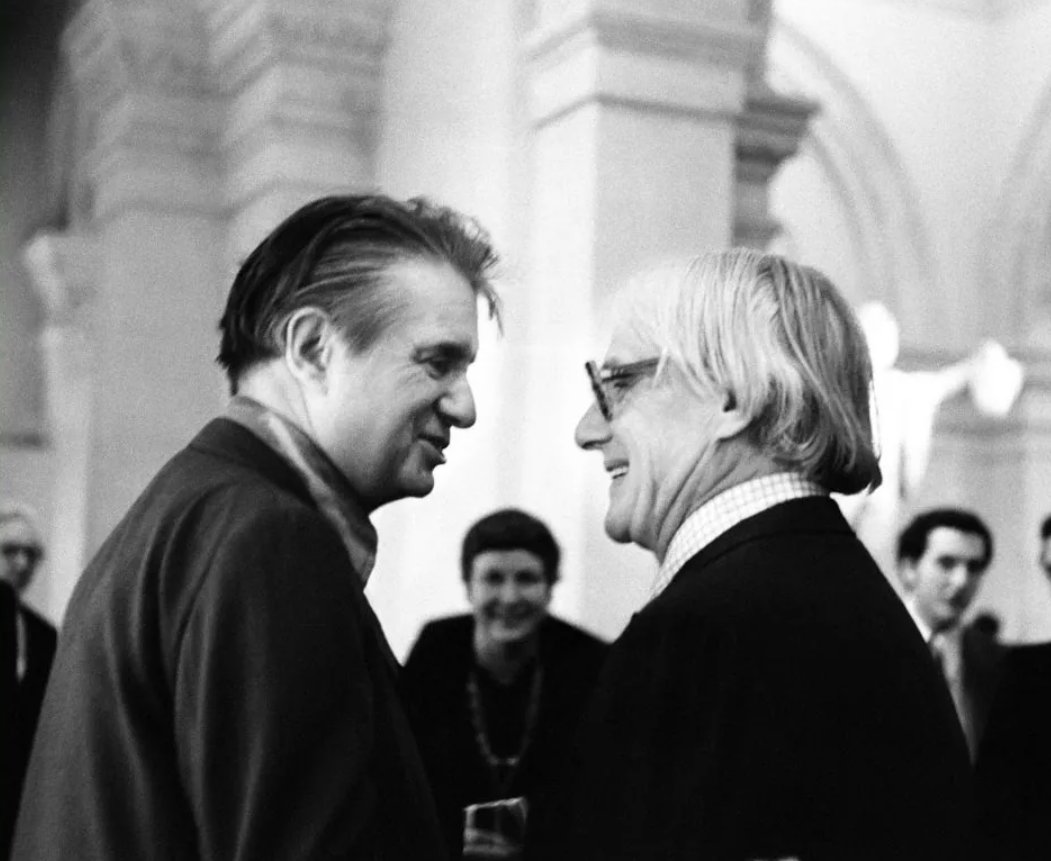
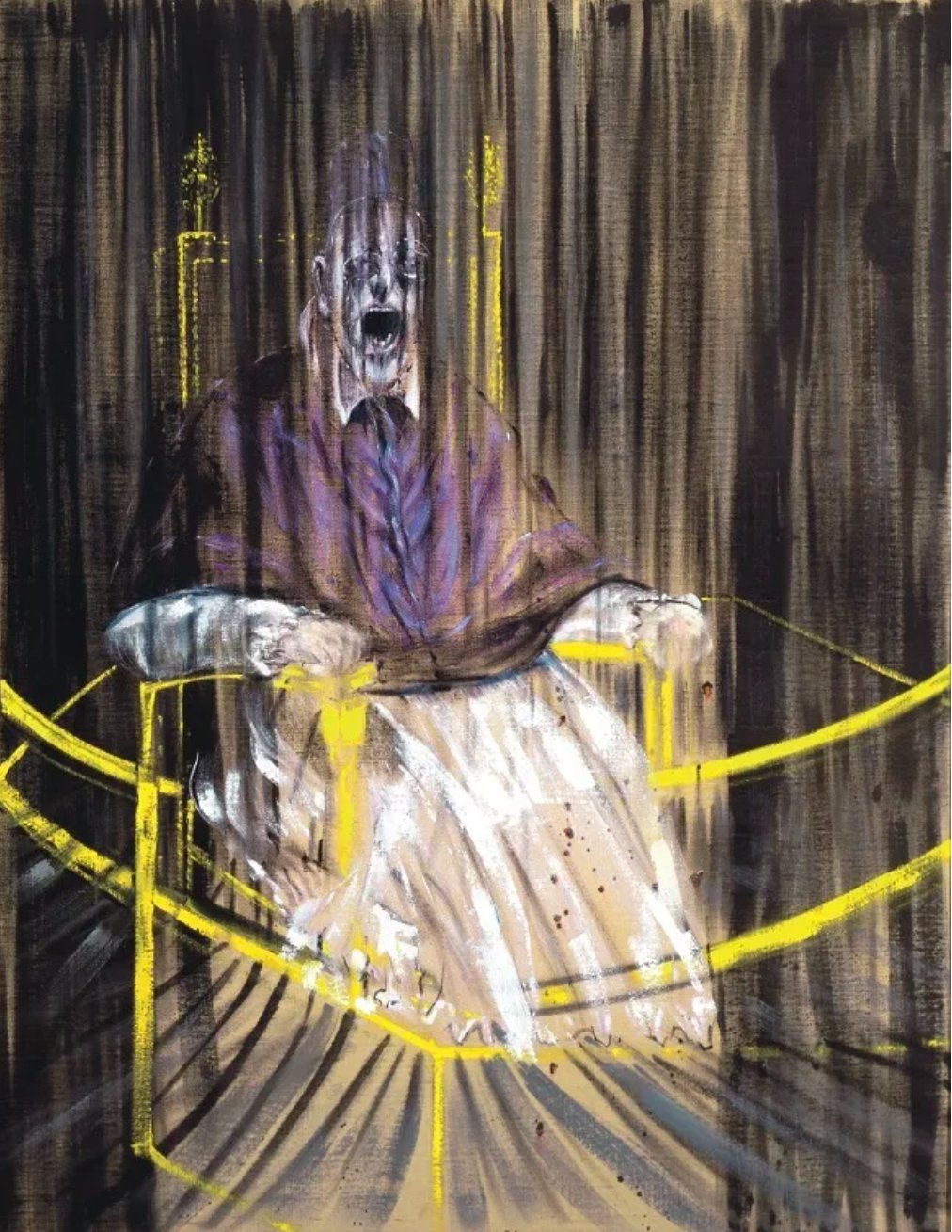
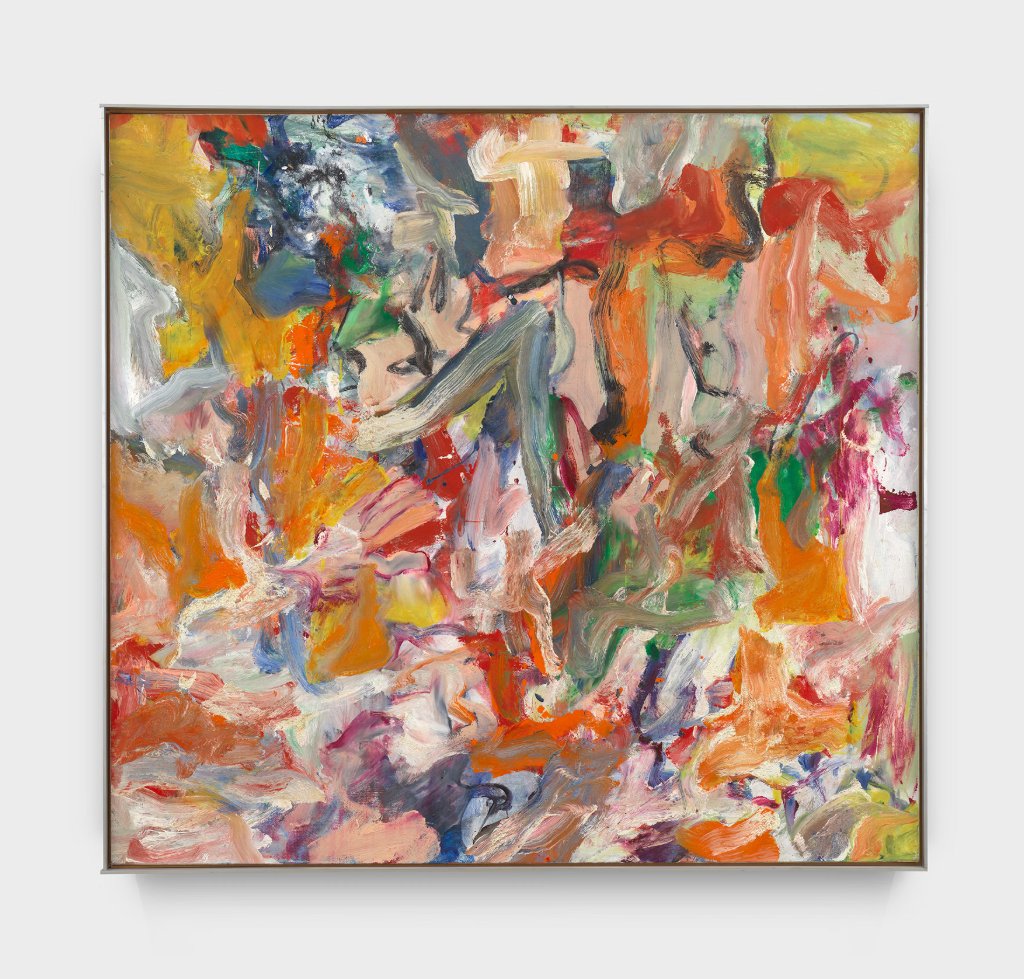
3. Francis Bacon / Willem de Kooning | Bacon / de Kooning | Lévy Gorvy Dayan | 19 East 64th Street, Upper East Side
November 4 to December 19, 2026
Two giants of 20th century painting, who seemingly come from two different directions: Francis Bacon, with his distorted, screaming and smeared figures, and Willem de Kooning, who was one of the leaders of Abstract Expressionism in New York. Despite the differences between them, both dealt with the human body and with the way color can build it, take it apart and distort it. The exhibition brings together works from the late 1960s and the 1970s, and makes it possible to see these two artists side by side in one of the most beautiful spaces in the city.
There is also a direct link to the art market here: Bacon and de Kooning are two names that come up again and again at the big evening sales. At Sotheby's evening sale in New York, on November 16, a self-portrait by Bacon from 1972 will be offered, with an estimate of 10 to 15 million dollars, and an untitled painting by de Kooning, with an estimate of 4.5 to 6.5 million dollars.
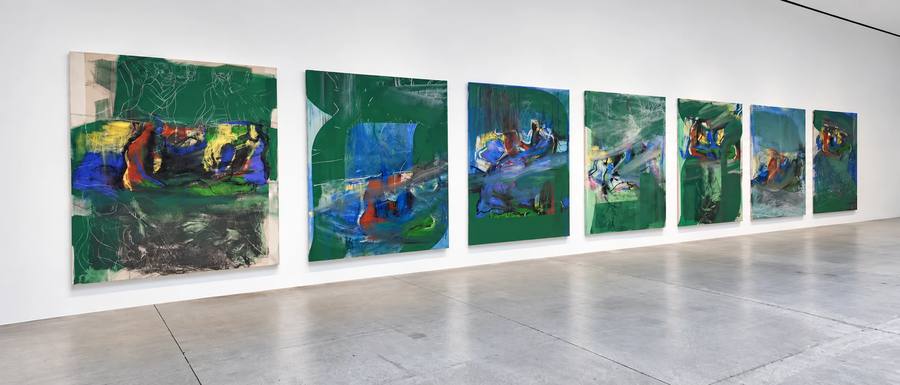
4. Georg Baselitz | Meine Schule | Gagosian | 555 West 24th Street, Chelsea
November 12, 2026 to January 23, 2027
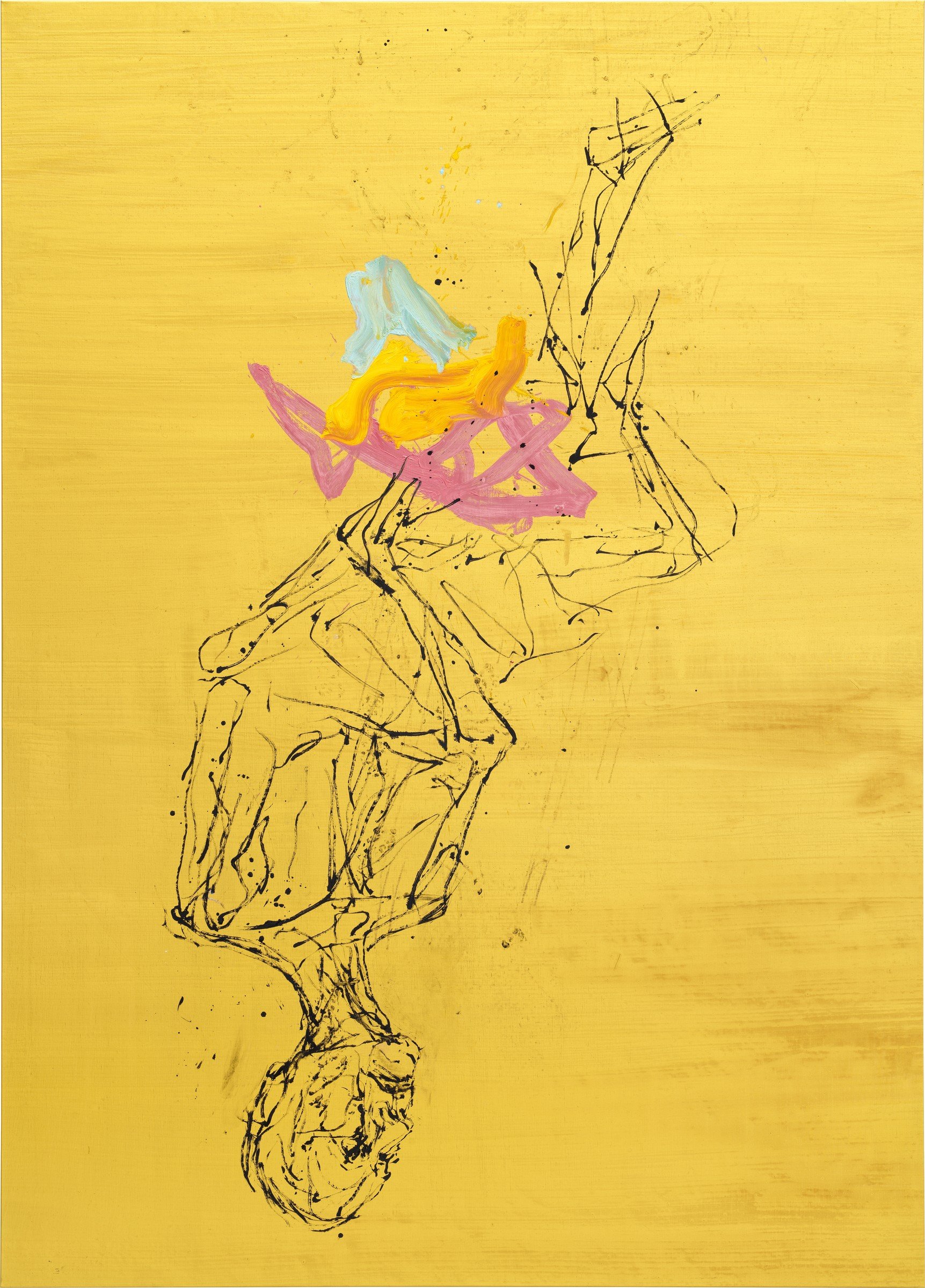
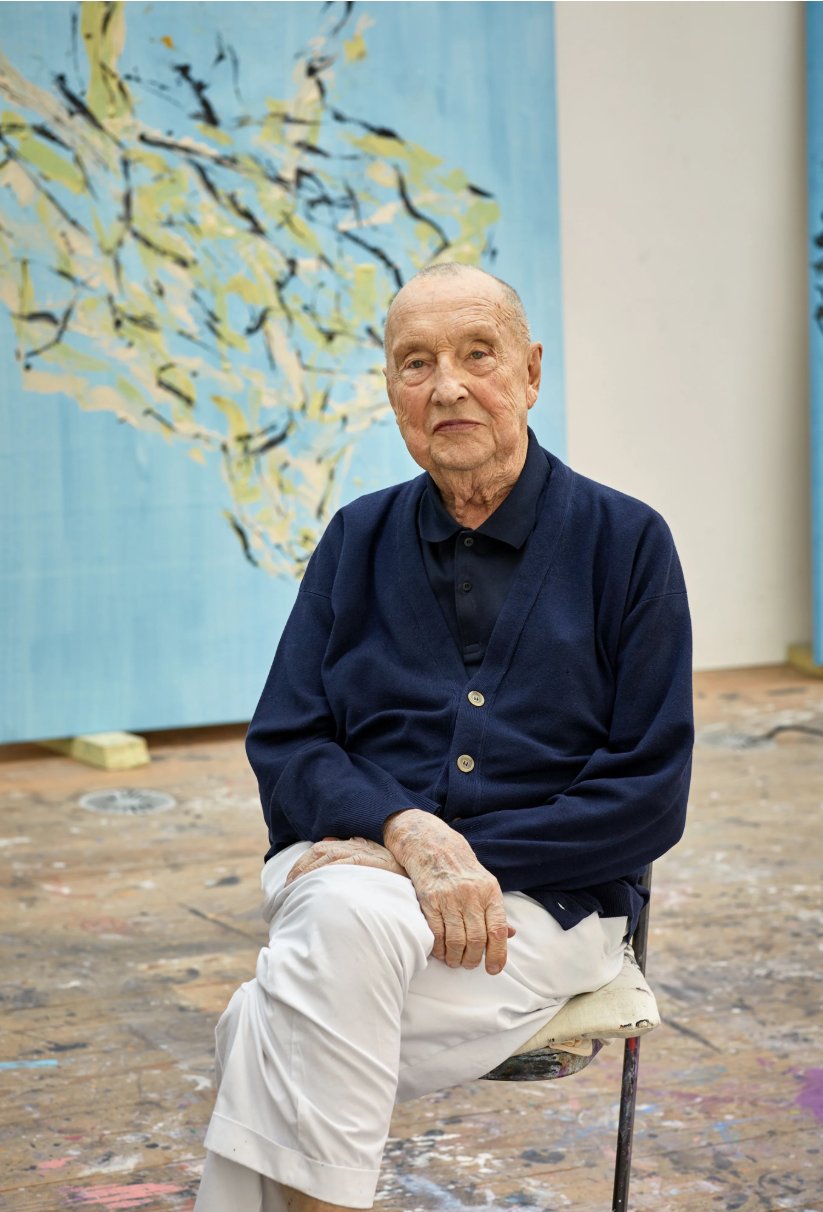
Georg Baselitz was one of the important artists of German art after the Second World War. He became known above all for his upside-down paintings, which force viewers to look first at the color, the material and the form, and only afterwards to try to understand what they are seeing.
And this may be a good way to look at art in general. Most people approach a work and immediately ask: “Do I like this?” That is of course a legitimate question, but it can also close off the looking too quickly.
Instead, try asking: what is this work asking of me?
This question makes us notice not only what appears in the painting, but also the way it is made: the colors, the material, the size, the atmosphere and the choices the artist made. You don't have to love every work, but you can understand it better, and sometimes that also makes the encounter with it much more interesting.
This is in fact the exhibition of the last chapter in the career of Baselitz, who died this past April at the age of 88. On view are the last paintings he finished and his last sculpture, among them paintings that return to a childhood memory of wartime Germany, and upside-down portraits of himself and of his wife.
The exhibition takes on an added meaning because it is shown after his death, and it lets us look at his work as a body of work that has been completed.
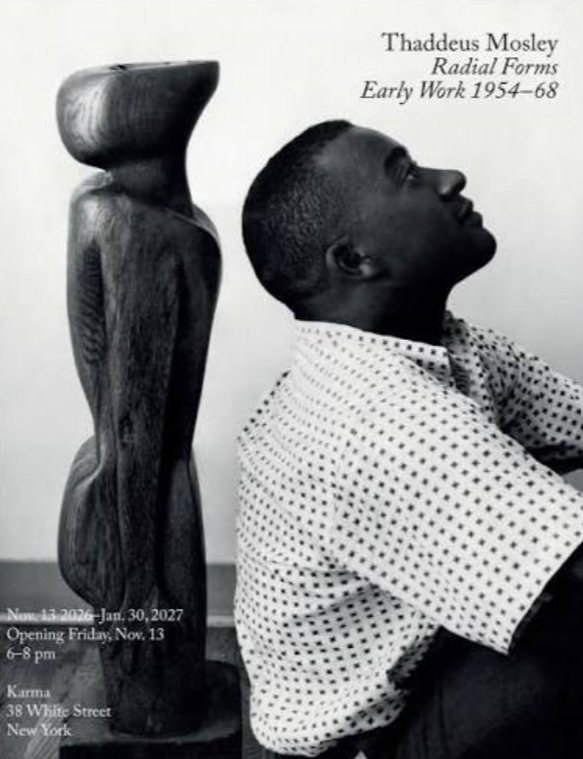
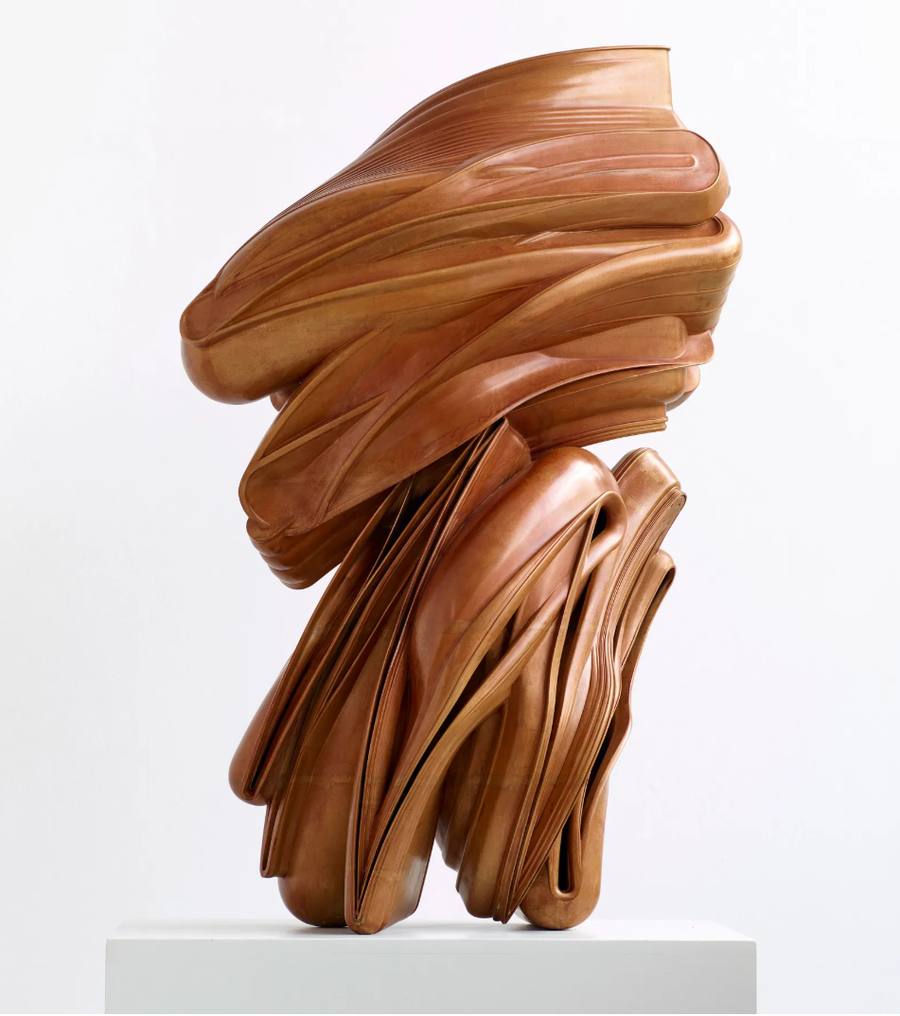
5. Thaddeus Mosley | Radial Forms: Early Work 1954-68 | Karma | 38 White Street, Tribeca
November 13, 2026 to January 9, 2027
Thaddeus Mosley was one of the important American wood sculptors, but his story is very different from that of most artists who show in the big galleries. Alongside his work as an artist, he worked for forty years at the post office in Pittsburgh, as a journalist and photographer. He taught himself the art of wood carving after he became interested in sculpture, once he had been exposed to the sculptures of Brancusi and to wooden bird models.
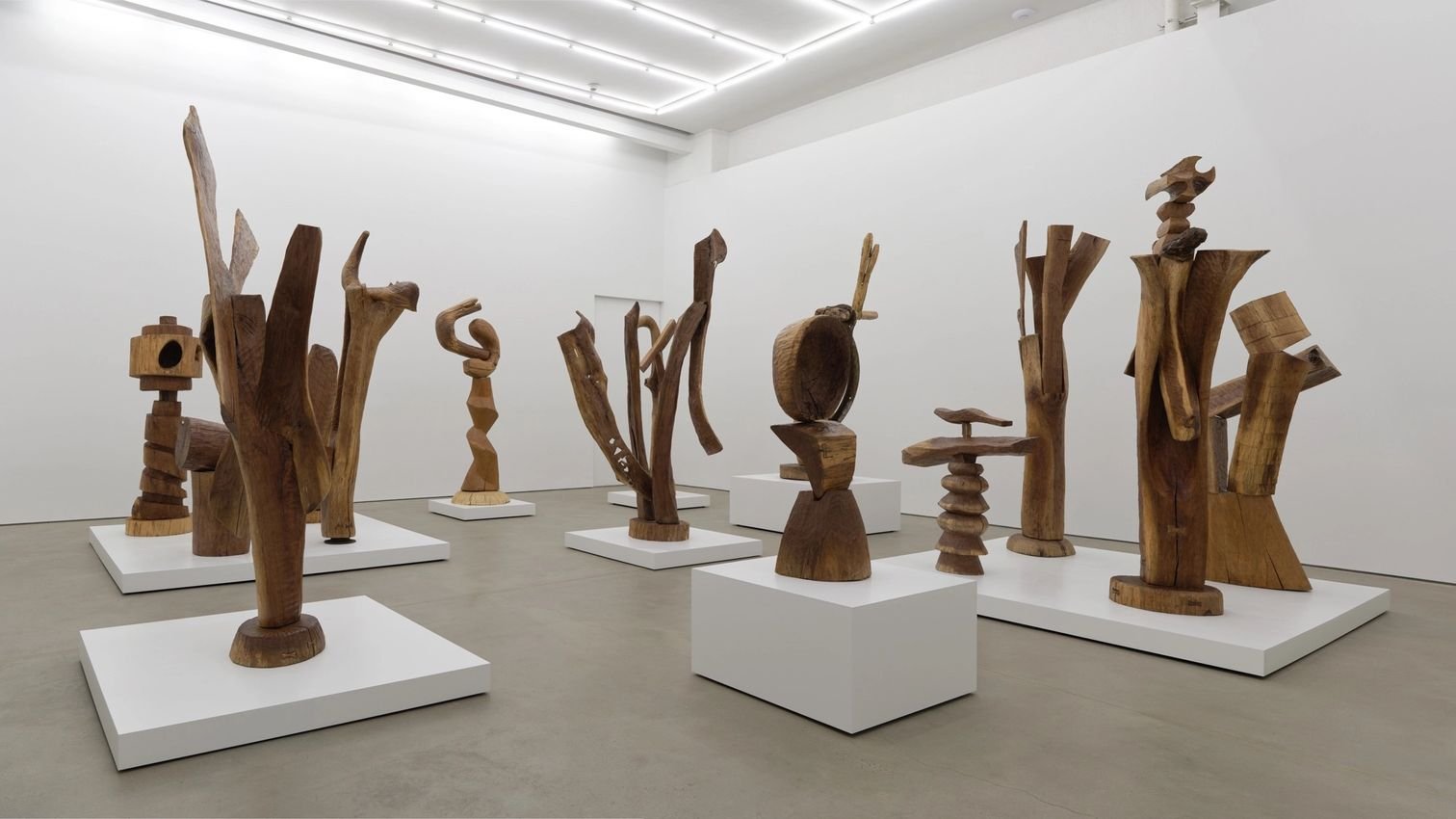
Mosley worked mainly with wood he found or salvaged, and did not try to hide the texture, the cracks and the natural shape of the material. He called his sculptures “sculptural improvisations”, inspired by improvisation in jazz.
That is why his sculptures are not only abstract, balanced forms. At times they look like figures, plants or a movement stopped midway. On one hand they are heavy, stable and connected to the ground; on the other, they are tall, narrow and balanced in a way that seems almost impossible. When you meet them in a space, they feel less like still objects and more like a living presence that changes the way we move through and look at the room.
The exhibition focuses on his early works, from the moment he began carving in the mid 1950s up to his first solo exhibition in 1968. Although he was already exhibiting in the 1960s, Mosley received wide recognition from the art world only in his 90s, and this year he died at the age of 99. That is why this exhibition also has an added meaning: it not only presents the beginning of his path, but also now helps establish his standing and legacy in the art world. This is something that often happens after an artist dies; the career becomes a closed body of work, and interest from galleries, museums and collectors may grow, since this also affects the value of the works.
But beyond the market, this is an opportunity to get to know an artist who worked quietly for decades, at his own pace, and only toward the end of his life received the international recognition he deserved.