Two Galleries and Lunch in SoHo: José Lerma and Rita Ackermannשתי גלריות וצהריים בסוהו
היום אני רוצה להמליץ לכם על ביקור בשתי גלריות בסוהו 🎨
התחנה הראשונה שלנו היא Nino Mier Gallery, שם מוצגת התערוכה החדשה של José Lerma: THESPESIA GRANDIFLORA.
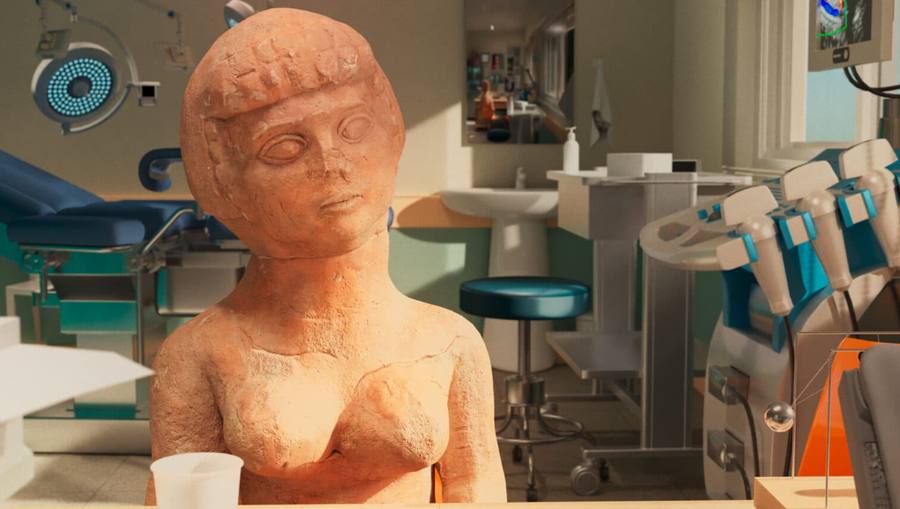
לרמה יוצר דיוקנאות גדולים ומאוד אקספרסיביים, שאותם הוא מצליח ליצור לעיתים באמצעות מספר קטן מאוד של משיכות מכחול. הוא מצייר על בד יוטה גס, עובד בטכניקת אימפסטו שמתאפיינת בשכבות עבות של צבע סמיך, ולפעמים אפילו משתמש במטאטא כדי ליצור את המחוות הרחבות והדרמטיות שמאפיינות את העבודות שלו.
התערוכה עוסקת במערכת היחסים בת 128 השנים בין פוארטו ריקו לארצות הברית, דרך פורטרטים של פוליטיקאים, ספורטאים ודמויות תרבות מפוארטו ריקו.
פוארטו ריקו עברה משליטה ספרדית לשליטה אמריקאית ב־1898, בעקבות מלחמת ארה״ב־ספרד. מאז היא נותרה טריטוריה של ארצות הברית: לתושביה אזרחות אמריקאית וממשל מקומי, אבל היא אינה אחת מ־50 המדינות וגם אינה מדינה עצמאית, ולקונגרס האמריקאי נותרה סמכות רחבה ביחס למעמדה.
הרקע הזה חשוב להבנת התערוכה, ובעיקר את הדרך שבה לרמה משתמש בצבע כדי להעביר רעיונות על זהות, ייצוג ופערי כוח.
את הדמויות הפוארטו־ריקניות הוא מצייר בצבעוניות חיוורת של כחולים־אפורים, ורודים קרים וגוונים פסטליים דהויים. לעומתן, בקבוצה שהוא מכנה “immigrant paintings”, המתארת אנשים מארה״ב שעברו להתגורר בפוארטו ריקו וליהנות מחיי האי, הצבעוניות הופכת פתאום לעזה ורוויה מאוד.
הצבע הופך כאן למעין מניפסט חזותי על שתי חוויות שונות מאוד של אותו המקום ועל השאלה מי מחזיק בכוח, ומי זוכה לקבוע כיצד המקום והאנשים שחיים בו מיוצגים.
משם ממשיכים, בערך 7 דקות הליכה, ל־Hauser & Wirth. זו אחת הגלריות האהובות עליי בעיר ואחד השמות המשמעותיים בעולם האמנות העכשווית, עם חללים ברחבי העולם ותוכנית תערוכות שתמיד שווה לעקוב אחריה.
כרגע מוצגת שם התערוכה The Chemical Alphabet של Rita Ackermann.
אקרמן, ילידת הונגריה שחיה ועובדת בניו יורק מאז תחילת שנות ה־90, יוצרת עבודות שבהן תהליך הציור עצמו הוא חלק מרכזי מהיצירה.
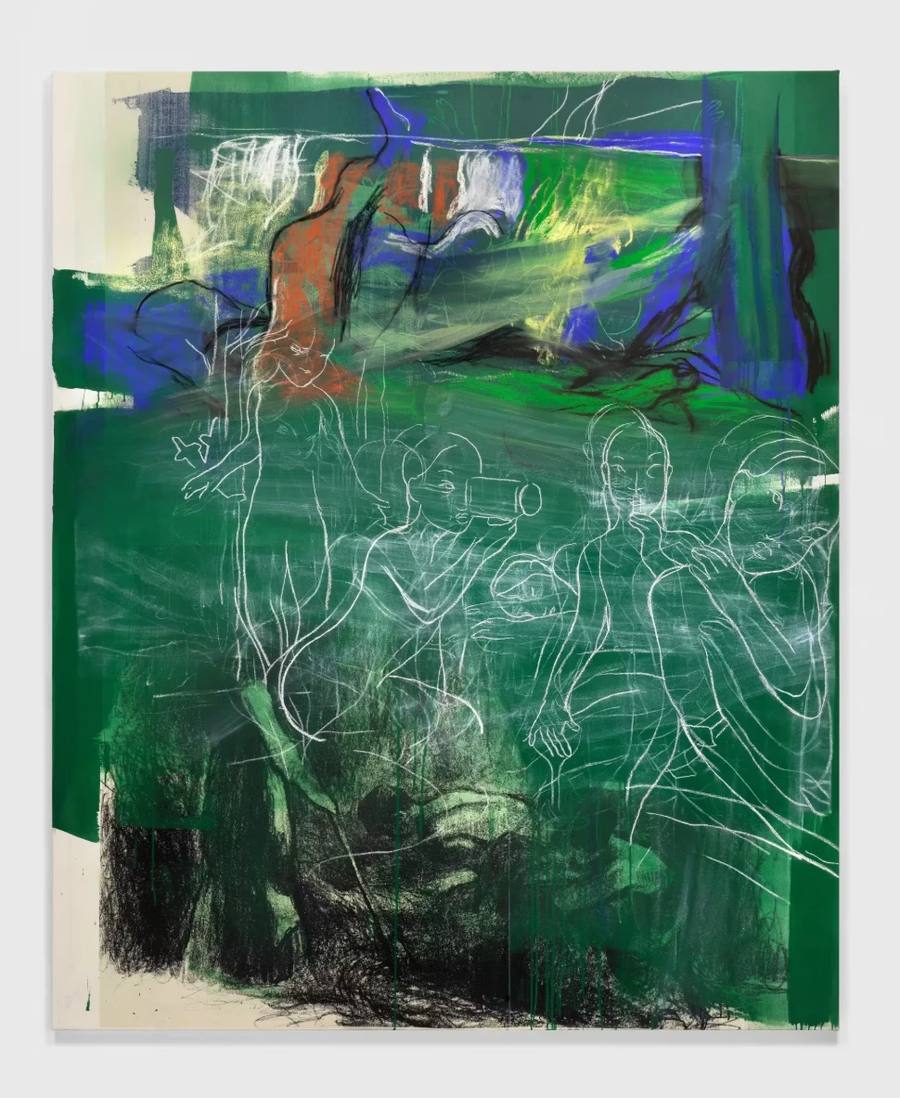
היא עובדת בגיר, פסטל ואקריליק, מציירת, מוחקת, שוטפת את המשטח ומציירת שוב. כך, כל ציור מחזיק בתוכו את השכבות, המחיקות והעקבות של מה שהיה שם קודם.
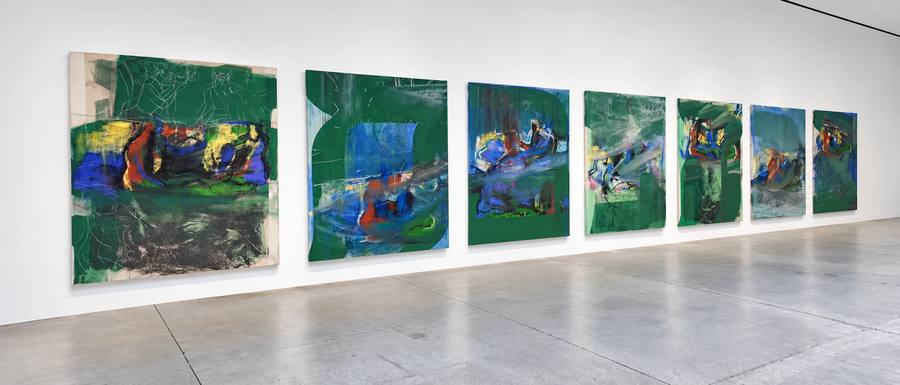
התערוכה כוללת 14 ציורים, וכל אחד מהם מתחיל מאות אחרת מתוך האלף־בית העברי. אקרמן סיפרה שלמעשה לימדה את עצמה את האלף־בית דרך ציור האותיות, והגיעה עד כה לאות ה־14.
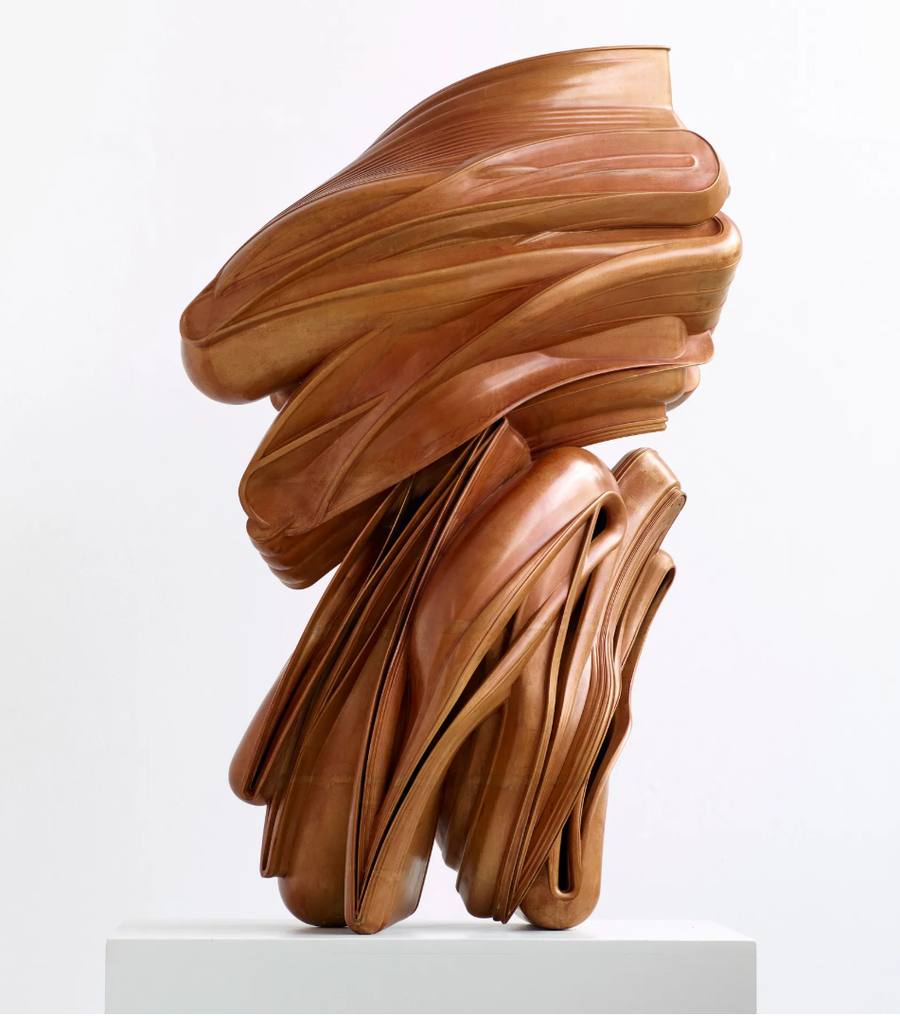
Installation view, Rita Ackermann: The Chemical Alphabet, Hauser & Wirth, New York. Courtesy Hauser & Wirth.
האות משמשת כעוגן שעליו נבנית הקומפוזיציה, והיא נשארת נוכחת גם אחרי כל שכבות הציור, המחיקה והשטיפה; לפעמים ניתן לזהות אותה בבירור ולפעמים היא כמעט נבלעת בתוך העבודה. בחלק מהציורים אפשר גם לראות מתחת לשכבות החדשות דימויים מתוך יצירות מוקדמות יותר שלה. אלה נדמים כמעט כמו זיכרונות או רוחות של העבר שממשיכים לחיות בתוך הציור החדש.
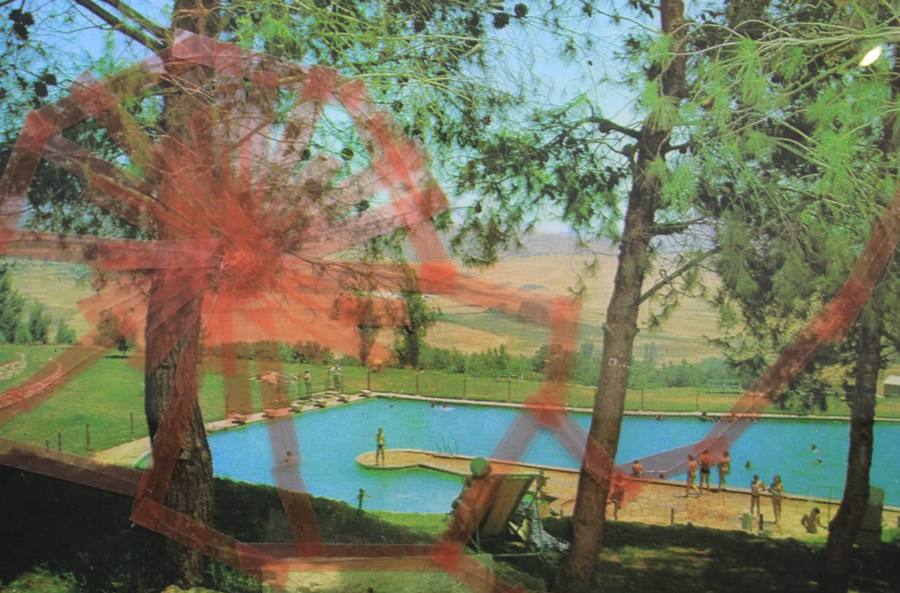
Rita Ackermann, from The Chemical Alphabet, Hauser & Wirth, New York. Courtesy Hauser & Wirth.
אצל אקרמן הדימוי אף פעם לא באמת מתקבע: דמויות וצורות מופיעות, מתפרקות, נעלמות ושבות לצוף מתוך השכבות. הציורים שלה מתקיימים כל הזמן באזור הביניים, בין פיגורטיבי למופשט, בין מה שהיה שם לבין מה שנשאר ממנו. במובן הזה, מה שאנחנו רואים הוא לא רק התוצאה הסופית, אלא כמעט תיעוד של הציור בזמן שהוא נבנה ומתפרק בעת ובעונה אחת.
וזה גם מתחבר מאוד לאופן שבו אקרמן עצמה מדברת על העבודה שלה: היא לא ממהרת להסביר או להגדיר אותה, ומעדיפה להשאיר מקום למקריות, לאינטואיציה ולמפגש הישיר בין הצופה לציור.
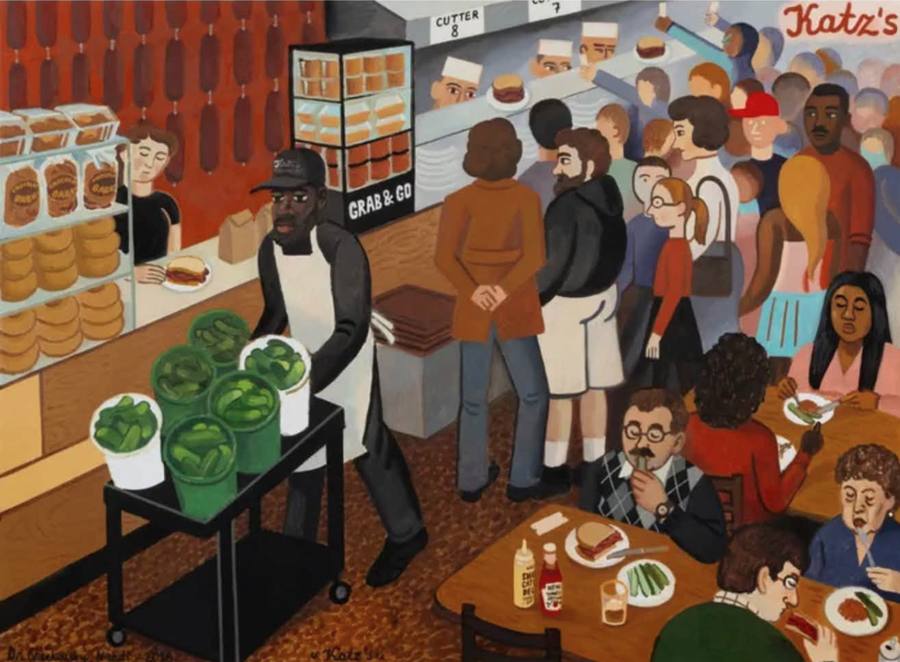
ואחרי שתי הגלריות צהריים ב־Manuela. מעבר לזה שזו מסעדה עם אווירה מעולה ואוכל ממש טעים, המקום מלא באמנות וזה לא ממש מפתיע, בהתחשב בכך שהמסעדה נמצאת תחת אותה קבוצת בעלים של Hauser & Wirth. ואם אתם כבר שם, אני ממש ממליצה על מנת ה־Lima Beans. בעיניי היא הייתה טעימה במיוחד.
בקיצור: שתי גלריות, הליכה קצרה ביניהן, ואז צהריים מוקפים באמנות. תהנו 🤍
Today I want to recommend a visit to two galleries in SoHo 🎨
Our first stop is Nino Mier Gallery, where José Lerma's new exhibition is on view: THESPESIA GRANDIFLORA.
Lerma creates large, highly expressive portraits, which he sometimes manages to make with a very small number of brushstrokes. He paints on coarse burlap, works in impasto, a technique defined by thick layers of dense paint, and sometimes even uses a broom to create the broad, dramatic gestures that characterize his work.
The exhibition deals with the 128 year relationship between Puerto Rico and the United States, through portraits of Puerto Rican politicians, athletes and cultural figures.
Puerto Rico passed from Spanish rule to American rule in 1898, following the Spanish American War. Since then it has remained a territory of the United States: its residents have American citizenship and a local government, but it is not one of the 50 states, nor is it an independent country, and the US Congress retains broad authority over its status.
This background matters for understanding the exhibition, and above all the way Lerma uses color to convey ideas about identity, representation and gaps in power.
He paints the Puerto Rican figures in a pale palette of blue grays, cool pinks and faded pastel tones. By contrast, in the group he calls “immigrant paintings,” depicting people from the US who have moved to Puerto Rico to live and enjoy island life, the color suddenly becomes intense and highly saturated.
Color becomes a kind of visual manifesto here, about two very different experiences of the same place, and about the question of who holds power, and who gets to decide how the place and the people who live there are represented.
From there we continue, about a 7 minute walk, to Hauser & Wirth. It is one of my favorite galleries in the city and one of the significant names in the contemporary art world, with spaces around the world and an exhibition program that is always worth following.
On view there right now is The Chemical Alphabet by Rita Ackermann.
Ackermann, born in Hungary and living and working in New York since the early 1990s, makes works in which the process of painting itself is a central part of the piece.
She works in chalk, pastel and acrylic: she draws, erases, washes the surface and draws again. In this way, every painting holds within it the layers, the erasures and the traces of what was there before.
The exhibition includes 14 paintings, and each one begins from a different letter of the Hebrew alphabet. Ackermann has said that she actually taught herself the alphabet by painting the letters, and so far she has reached the 14th letter.
Installation view, Rita Ackermann: The Chemical Alphabet, Hauser & Wirth, New York. Courtesy Hauser & Wirth.
The letter serves as the anchor on which the composition is built, and it stays present even after all the layers of painting, erasing and washing; sometimes it can be clearly recognized and sometimes it is almost swallowed up inside the work. In some of the paintings you can also see, beneath the new layers, images from her earlier works. These feel almost like memories, or ghosts of the past that go on living inside the new painting.
Rita Ackermann, from The Chemical Alphabet, Hauser & Wirth, New York. Courtesy Hauser & Wirth.
With Ackermann, the image never truly settles: figures and forms appear, come apart, disappear and float back up out of the layers. Her paintings live constantly in the in between, between figurative and abstract, between what was there and what remains of it. In this sense, what we see is not only the final result, but almost a record of the painting as it is built and taken apart at one and the same time.
And this connects closely to the way Ackermann herself talks about her work: she is in no hurry to explain or define it, and prefers to leave room for chance, for intuition, and for the direct encounter between the viewer and the painting.
And after the two galleries, lunch at Manuela. Beyond being a restaurant with a great atmosphere and really delicious food, the place is full of art, which is not very surprising, given that the restaurant belongs to the same ownership group as Hauser & Wirth. And if you're already there, I really recommend the Lima Beans dish. To me it was especially delicious.
In short: two galleries, a short walk between them, and then lunch surrounded by art. Enjoy 🤍
Working with Stavעבודה עם סתיו
Art curator and advisor in Tenafly, New Jersey, for New York, Bergen County and Tel Aviv.אוצרת ויועצת אמנות בטנפליי, ניו ג'רזי, לניו יורק, למחוז ברגן ולתל אביב.
This browser has no email app set up, so nothing opened. Copy the address, or open it in your webmail.בדפדפן הזה לא מוגדרת תוכנת דואר, ולכן לא נפתח כלום. העתיקו את הכתובת, או פתחו אותה בדואר האינטרנטי שלכם.